What is achilles tendinitis ?
The Achilles Tendon, the largest and strongest tendon in the body is a tough band of fibrous tissues that connects the calf muscles to the heel bone. When the calf muscles contract, the Achilles tendon pulls on the heel. This movement allows us to stand on our toes when walking, running or jumping. However it is vulnerable to injury due to the high stress and tensions placed on it. Consult your CuraFoot doctor for a thorough diagnosis.
- An inflammation of the Achilles tendon can lead to degeneration.
- The pain caused by this condition can develop gradually and can present as a shooting pain or a burning pain
- It should not be left untreated due to the danger that the tendon can degenerate to become weak and may rupture
- This condition is aggravated by activities that repeatedly stress the tendon.
- This is a common problem experienced by athletes or active people.
- Individuals who suffer from this often state that their pain lessons with activity as the Achilles tendon warms up and stretches.
What causes achilles tendinitis?
There are several factors that can cause Achilles tendinitis. The most common cause is overpronation/flatfeet. Overpronation occurs while walking when the arch collapses adding stress to the tendon. Other causes include:
- improper shoes selection
- inadequate stretching prior to activity
- a tight Achilles tendon
- an old injury
How to treat achilles tendinitis
Stretch before running
Athletes specially runners should stretch their muscles properly before the run. They should gradually increase the distance of their walk or run, should apply ice after the activity and avoid any uphill activity as this adds pressure and can increase inflammation.
Heel protectors
Achilles tendinitis can be treated by using CuraFoot Heel Protectors which decrease friction between the heel and footwear
Arch support insoles
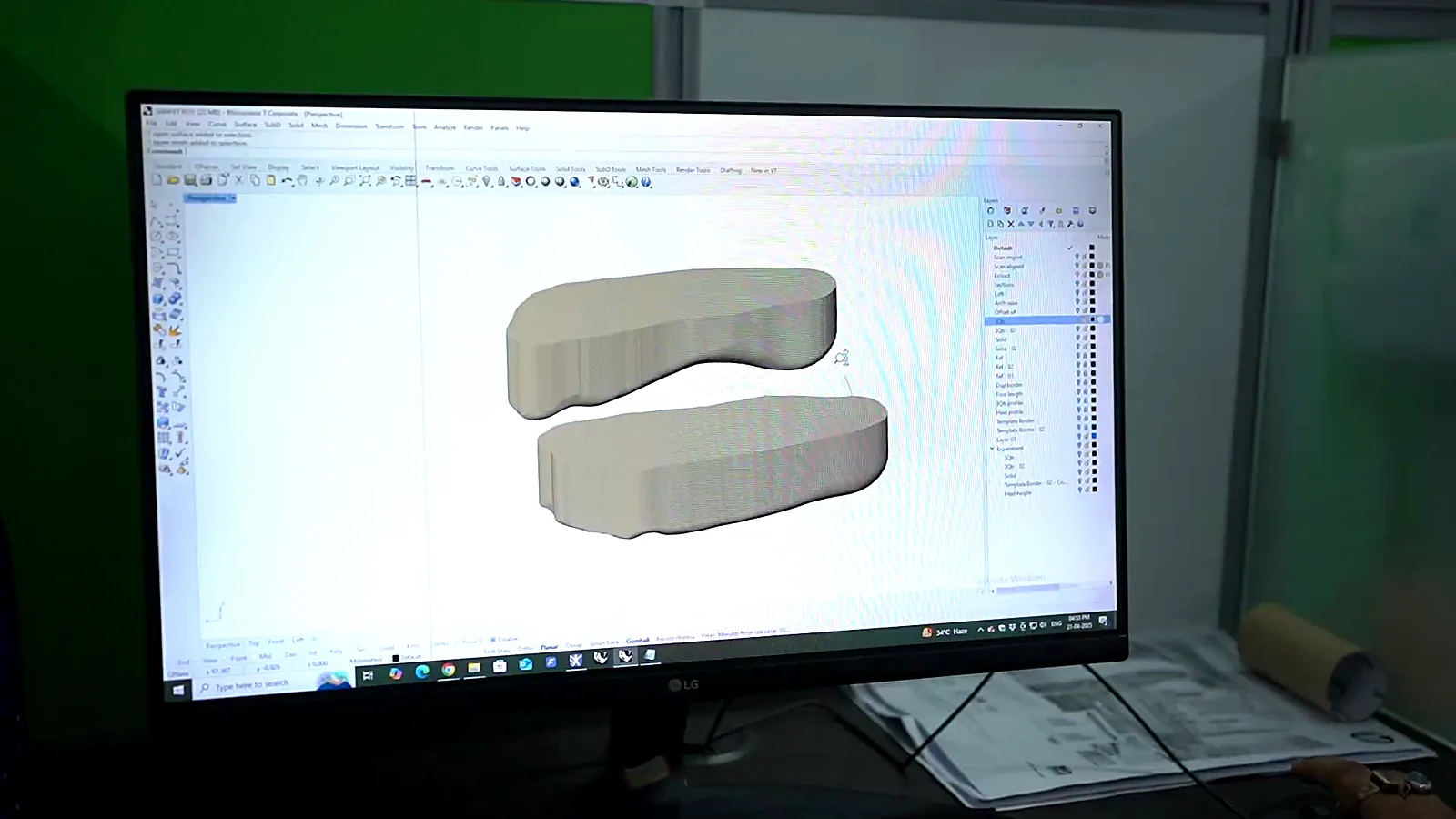
We also recommend CuraFoot’s proprietary Arch Support insoles. The insoles correct foot pronation and elevates the heel reducing stress and pressure on the tendon.
However all this will not correct the existing deformity but decrease the rate of further progression. Even after these if the deformity continues to increase and grow, surgery may be needed.
Achilles tendon pain and tendinopathy
Doctors often call long-lasting Achilles pain Achilles tendinopathy: the tendon has been overloaded and has started to wear, rather than simply being inflamed. The pain is usually either in the middle of the tendon, a few centimetres above the heel, or where the tendon joins the heel bone (insertional tendinopathy), which is often linked with a bump at the back of the heel.
Warning signs of an Achilles rupture
- A sudden snap or pop at the back of the ankle, as if you had been kicked
- Sudden sharp pain, then weakness
- You cannot stand on tiptoe on the injured leg
- A gap you can feel in the tendon above the heel
A ruptured Achilles tendon needs urgent care the same day: go to a hospital emergency department or an orthopaedic surgeon. Early treatment, with a cast, a walker boot or surgery, gives the best chance of the tendon healing at the right length.
Exercises and heel lifts
Loading exercises are the main treatment for Achilles tendinopathy. A physiotherapist will usually start you on slow heel raises, standing on a step and lowering the heel, and build them up over weeks; calf stretches help too. Some pain during the exercises is often allowed, but it should settle by the next morning. A heel lift or an insole that raises the heel slightly takes some strain off the tendon while it recovers. See physiotherapy and custom insoles, and our tips on preventing Achilles tendinitis.
How long does Achilles tendonitis last?
Mild tendon pain can settle in a few weeks with rest and changes to training. Tendinopathy that has been there for months often takes three to six months of regular exercises to recover, so starting early helps. Runners and players: see our Sports Injury Foot Clinic.
More about achilles tendonitis
Tendonitis (also spelt as tendinitis) is the inflammation, meniscal tears or irritation of the tendons (tissues connecting the muscles with the bones). Tendonitis in the foot (called Achilles Tendonitis) is usually caused by overuse of the feet – such as running, walking or standing for long hours – and is symptomized by a persistent ache or pain in the heels. It is one of the most common injuries caused while running and is quite common among athletes.
Achilles tendonitis can also be caused by ill-fitted shoes, ailments such as arthritis and certain kinds of spondylitis. If you are worried about heel pain or other foot injuries, please contact CuraFoot Clinic for an appointment.
Symptoms:
Symptoms of Achilles tendonitis typically are as follows:
1. Persistent pain in the heel or ankle regions of the foot
2. Limited mobility or stiffness of the ankle joint
3. Tenderness or soreness in the heel and ankle
4. Blunt force trauma to the heel or ankle
5. Swelling in the ankle
In case you suffer from any of the above, you can consult a foot specialist. The doctor can diagnose the nature of the tendonitis (which tendon is affected) as well as the severity of the tendonitis. This will help with accurate treatment procedures and faster healing.
Treatment:
The best way to heal tendonitis is to provide rest to the area. It is essential to rest the affected tendons and joints and make progress with the healing. The period of rest is prescribed by the doctor in accordance with the severity of the condition.
In addition, the following, as recommended by the doctor, can help in faster healing:
1. Applying ice packs at a frequency till the soreness or inflammation reduces
2. Performing light exercises as recommended by a physiotherapist to relieve the foot of the stiffness and improve mobility without putting further stress to the affected area
3. Taking painkillers if recommended by the doctor to reduce pain and inflammation
4. Taking corticosteroid injections as prescribed by the doctor (however, the effects of the injection stay up to a few weeks – it is not a permanent solution to the condition).
Surgery is not usually recommended unless the tendonitis is not curable by any other means. It is important to follow through the complete healing process as recommended by the specialist, the lack of which can lead to further complications. It is important to not hurry through the healing process and to take adequate rest to heal the tendons completely before getting back to any rigorous activity.