Get in touch with the CuraFoot clinic for an appointment if you are suffering from painful corns & calluses.
Corns and calluses are often caused by improper footwear, which creates constant pressure in certain areas of the foot. They also occur if a person is barefoot for long periods or has an unusual gait or is an athlete who put continuous pressure on the foot. People with certain kinds of foot structure (such as bony feet, flat feet or bunions) and ailments (such as diabetes or rheumatoid arthritis) can aggravate corns and calluses.
Symptoms
Corns
Corns occur in small areas of skin and are usually approximately round in shape. Corns usually occur in the deeper layers of the skin and can be occasionally painful, especially while walking or wearing ill-fitted shoes.
Soft corns
Soft corns are usually formed between toes and are whitish. These are mostly formed due to bone spurs and underlying pressure and are moist because of the sweat glands between toes. Soft corns are less painful but are more likely to become ulcerous or infected.
Hard corns
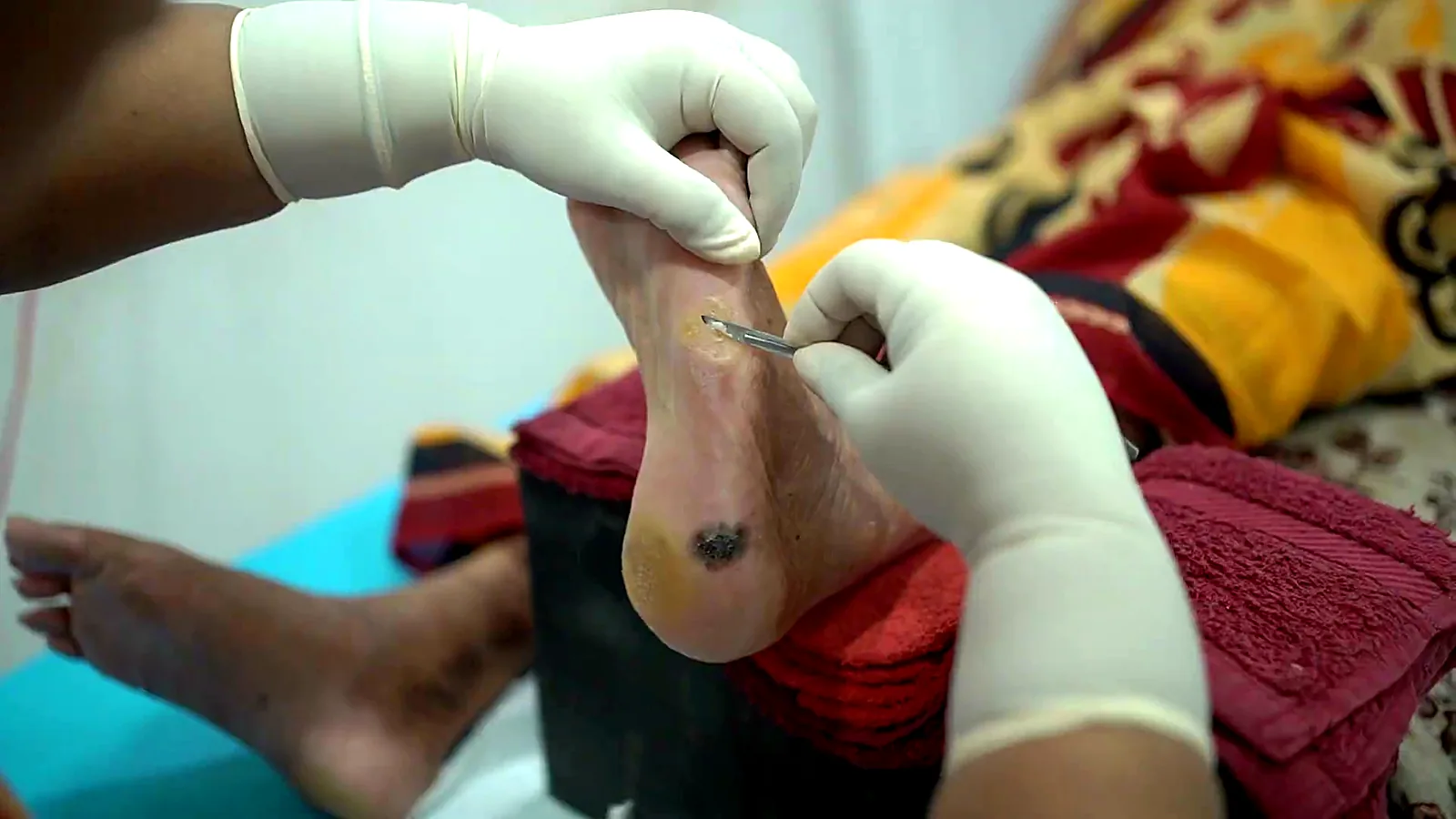
Hard corns are firmer and denser than soft corn. These are thickened round patches of dead skin with a grey core of hard skin. Hard corns can occur in areas where there is the most friction because of ill-fitted shoes. Hard corns are more likely to cause pain while walking or putting pressure on the feet.
Calluses cover a larger area than corns and can occur anywhere with repeated friction.
Reasons Behind The Corn on Foot
Corns and calluses can occur for multiple reasons such as:
- Anatomical abnormalities in feet or toes
- Ill-fitting shoes
- Using tools or instruments that cause repeated friction to a certain area
- Bunions or hammertoes
- Gait-related irregularities
- Sports that cause pressure on feet
Treatments of Corns & Calluses
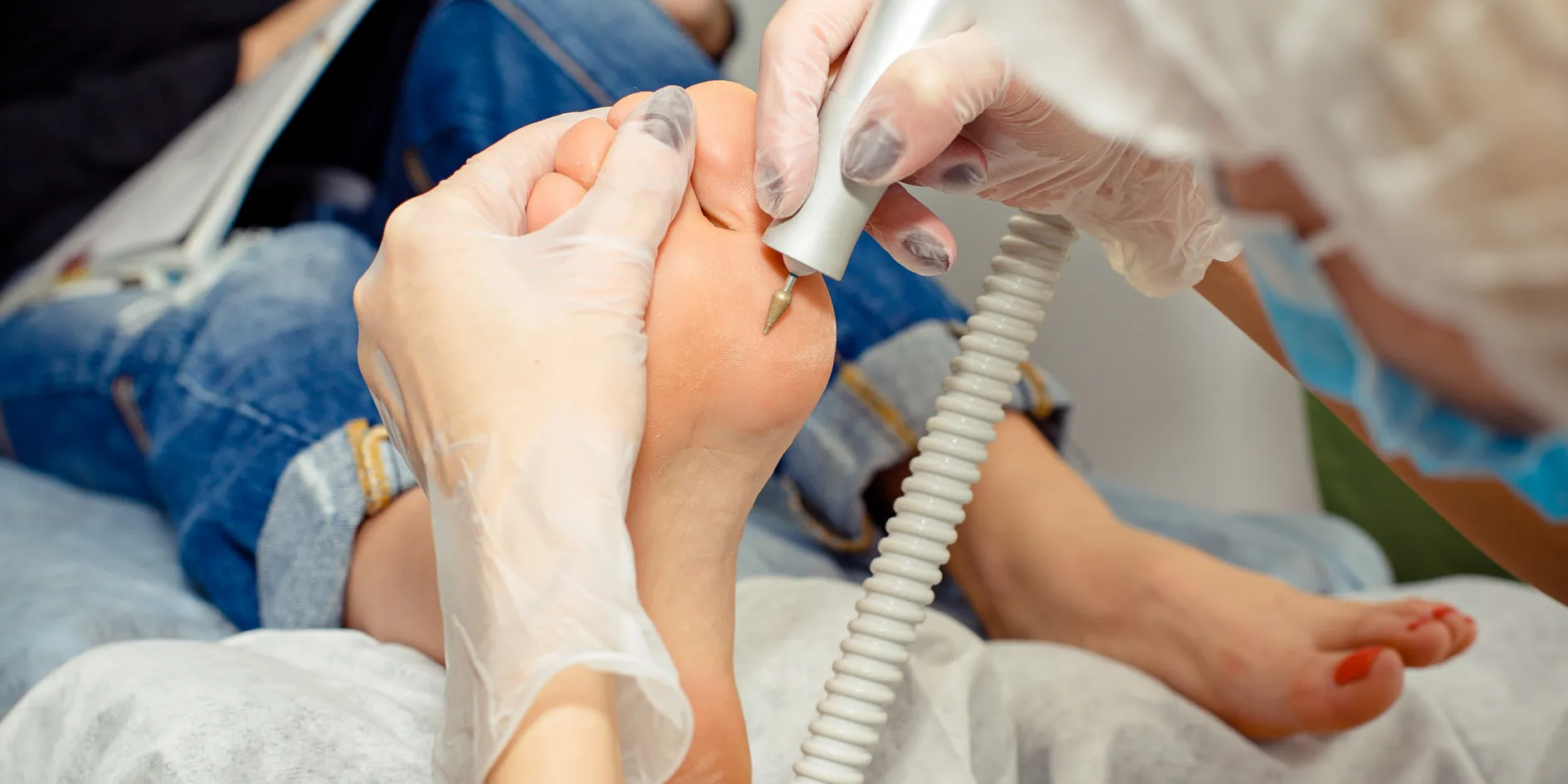
Normally corns & calluses are not critical to health if taken care of at an early stage. There are some simple ways to treat corn or callus efficiently:
Salicylic acid
Salicylic acid is most commonly used for the treatment of corns and calluses. Salicylic acid breaks down the hardened skin layer and helps in the removal of corns and calluses. Some over-the-counter foot creams contain salicylic acid which can be used as per instructions to treat corns & calluses.
Surgical removal
Surgical removal of the thickened skin can be done to treat corns & calluses. This does not solve the problem permanently but can provide periodic relief.
Custom-made insoles
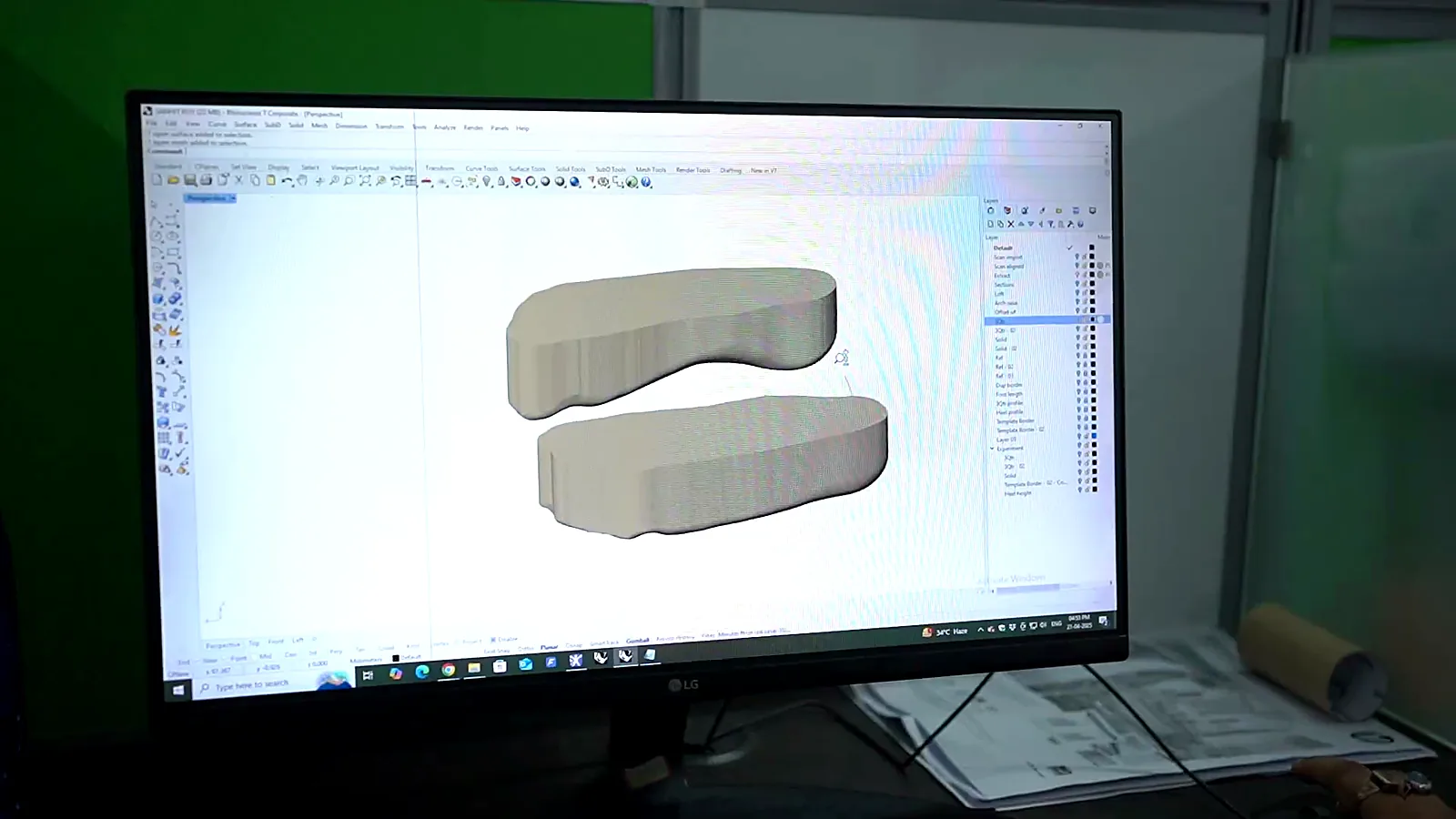
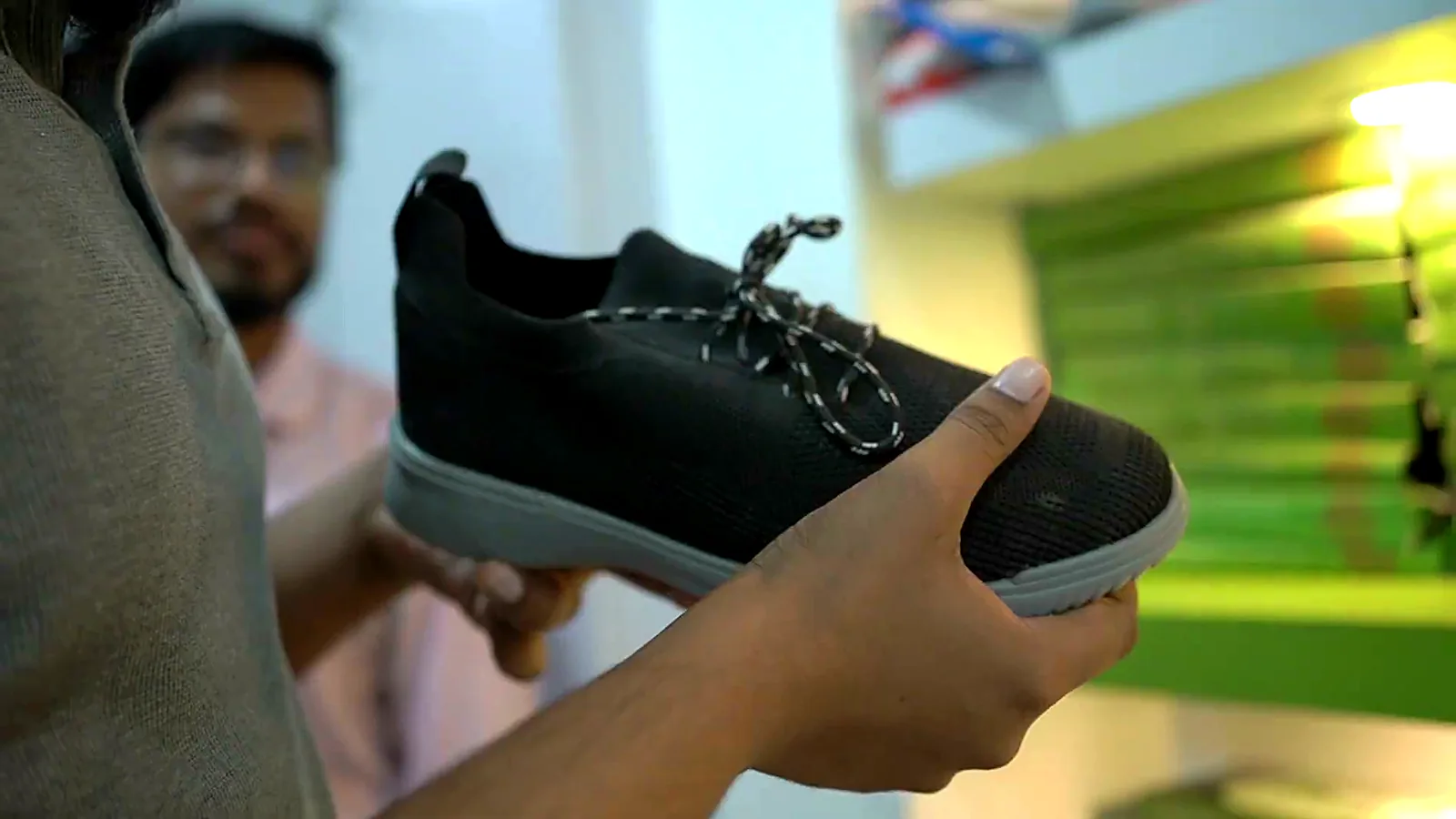
The constant pressure points that cause corns & calluses can be relieved with the use of custom-made insoles that relieve the pressure points and help in the treatment. Corns and calluses get cured faster in the absence of pressure & constant friction. Custom orthotics help in not only treating but also in further preventing recurrences.
Antibiotics for infection
In case the area gets infected, certain antibiotics can help in the clearing of the infection. Please consult a doctor in case of an infection.
Felt pads
In case of a foot or a bone deformity that is causing friction, wearing felt pads can provide relief and reduce the chances of further friction that can aggravate the condition. In certain cases, the bone may need to be surgically removed as part of the treatment.
IMPORTANT
In extreme cases where there is redness, increased swelling or pain, color change in the affected areas, drainage from the sore, or signs of tissue decay, it is necessary to consult a doctor to get urgent foot corn removal treatment and medication. For more information call us at 062923 00396 or book an appointment now and get your foot checked today for better foot health.
Facts on corns & calluses
What are corns & calluses?
Corns and calluses are thickened or hard skin on the hands or feet. Corns are much smaller than calluses with a hard center surrounded by inflamed skin. These can be very painful at times and may be caused as a result of constant rubbing or friction. Consult your CuraFoot doctor for a thorough diagnosis.
What causes corns & calluses?
Corns and calluses can occur due to multiple reasons such as:
- Anatomical abnormalities in the feet or the toes like bunions and hammertoes.
- People with certain kinds of foot structure like cavus feet, flat feet or bunions and ailments such as diabetes or rheumatoid arthritis can aggravate corns and calluses.
- Improper fitting shoes which cause constant pressure
- Regularly using tools or instruments that cause repeated friction to a certain area
- Gait-related irregularities
Symptoms
- Corns occur in the deeper layers of the skin. They are usually approximately round in shape and can occur in small areas of the skin. They can be painful especially while walking or wearing ill-fitted shoes.
- Soft corns are usually formed between the toes and are whitish. These are moist because of the sweat glands between toes. Soft corns are less painful. However they are more likely to become ulcerous or infected.
- Hard corns are much firmer and denser than soft corns. These are thickened round patches of dead skin with a grey core of hard skin. They are more likely to cause pain while walking or putting pressure on the feet.
How to get rid of corns & calluses and help prevent them?
Corns & calluses are not critical to health if taken care of at an early stage. There are some simple ways to treat corn or callus efficiently:
- Salicylic acid is used for the treatment of corns and calluses. It breaks down the hardened skin layer and helps in the removal of corns and calluses
- Removal of the thickened skin surgically can be done to treat corns & calluses. This provides periodic relief
- The constant pressure points that cause corns & calluses can be relieved with the use of custom made insoles. They relieve the pressure points helping corns and calluses to get cured faster in the absence of pressure & constant friction. Custom orthotics have a dual action- not only helping in treating the corns and calluses but also in further preventing recurrences.
- In case the area gets infected, certain antibiotics can help in the clearing of the infection after consulting with a doctor
- In case a foot or a bone deformity is causing the friction, wearing soft, cushioning pads or over the counter readymade relief products can be worn. They provide temporary relief and reduce the chances of further friction that can aggravate the condition. In certain cases, surgery may be needed to remove the bone as part of treatment.
- In extreme cases where there is redness, increased swelling or pain, color change in the affected areas, drainage from the sore, or signs of tissue decay, it is necessary to consult a doctor to get urgent medication and treatment.