Causes, Treatments of Feet and Ankle Injuries Treatment
Feet and ankle injuries are very common among the certain high-risk population – elderly, diabetic, sports enthusiasts, children and those with orthopaedic problems. While feet and ankle injuries are considered to be common among active individuals, actually anyone can receive a trauma in that area. Ankle injuries can be caused by everyday activities – from uneven pavements to skidding down the stairs. If you are worried about feet & ankle injuries, please contact CuraFoot Clinic for an appointment.
Children play actively and are susceptible to ankle and feet injuries. Elderly people are also prone to injuring their foot and ankle, because of weak bone and muscle strength, compromised sense of balance and weakened eyesight.
Swollen ankles are also very common amongst people. Standing or running for long periods, obesity, poor blood circulation, pregnancy, arthritis, heart, liver or kidney failure or certain kinds of medication can cause swollen ankles and legs.
Causes
Ankle and foot injuries can happen due to a variety of reasons
- Overuse: People who put too much stress on the legs or feet can suffer from such injuries. Plantar fasciitis, tendonitis, stress fracture, pain in the ball of foot are all injuries caused by the wear and tear of the tendons and muscles. Standing, walking or running for long hours as well as certain kinds of activities such as dance and sports can cause the weakening of the bones, muscles, and tendons and cause an injury.
- Accidental injuries: The ankle can be injured when the foot bends at an unnatural angle and pressure falls on it. This is common in people who play sports that require jumping high distances (such as basketball or volleyball) but is also quite a common occurrence while walking or running. When an accidental injury happens, it is usually followed by a sharp, acute pain. Accidental or sudden injuries can be of various types:
- Contusions
- Cuts or puncture wounds (these penetrate the skin and therefore make you very susceptible to infections, especially in the feet) Ankle Fracture
- Sprains
- Dislocation of the bone
- Ligament injury
- Tendon injuries such as Achilles tendonitis
- Muscle pull or rupture
- Fractures
Symptoms
Learning to recognize the symptoms of ankle & foot injuries may educate you to seek medical advice at the earliest. General symptoms of feet and ankle injuries include:

Ankle Injury
1. Abnormal bend of the ankle or the foot
2. Severe or stabbing pain
3. Swelling and numbness
4. Pale, white or blue color around the injury
5. Pain while moving
6. Weakness in the feet
7. Redness
8. Bleeding or visible wound
Ankle and feet are very vulnerable since the entire body weight falls on them. It is essential to see a foot specialist if you suffer from an ankle or foot injury since the specialist will be able to diagnose the true nature of the injury and will help you by providing the correct treatment based on the condition. The doctor may also recommend an X-Ray to confirm if there is the injury to the bone.
Feet and Ankle Injuries Treatment
It is important to not stress your feet further by walking or running in case you have suffered an ankle injury. Consult a doctor before resuming regular activities, since neglect can increase the complications and cause further damage to your legs. This includes but is not limited to arthritis and chronic weakness of the foot.
- Immediate treatments of ankle and feet injuries include:
- Ice packs or cold compressions to reduce the stress
- Resting the foot, preferably with a pillow or support underneath to improve the blood flow to the affected area and reduce pain and swelling
- Minimal movement of the feet to avoid further strain
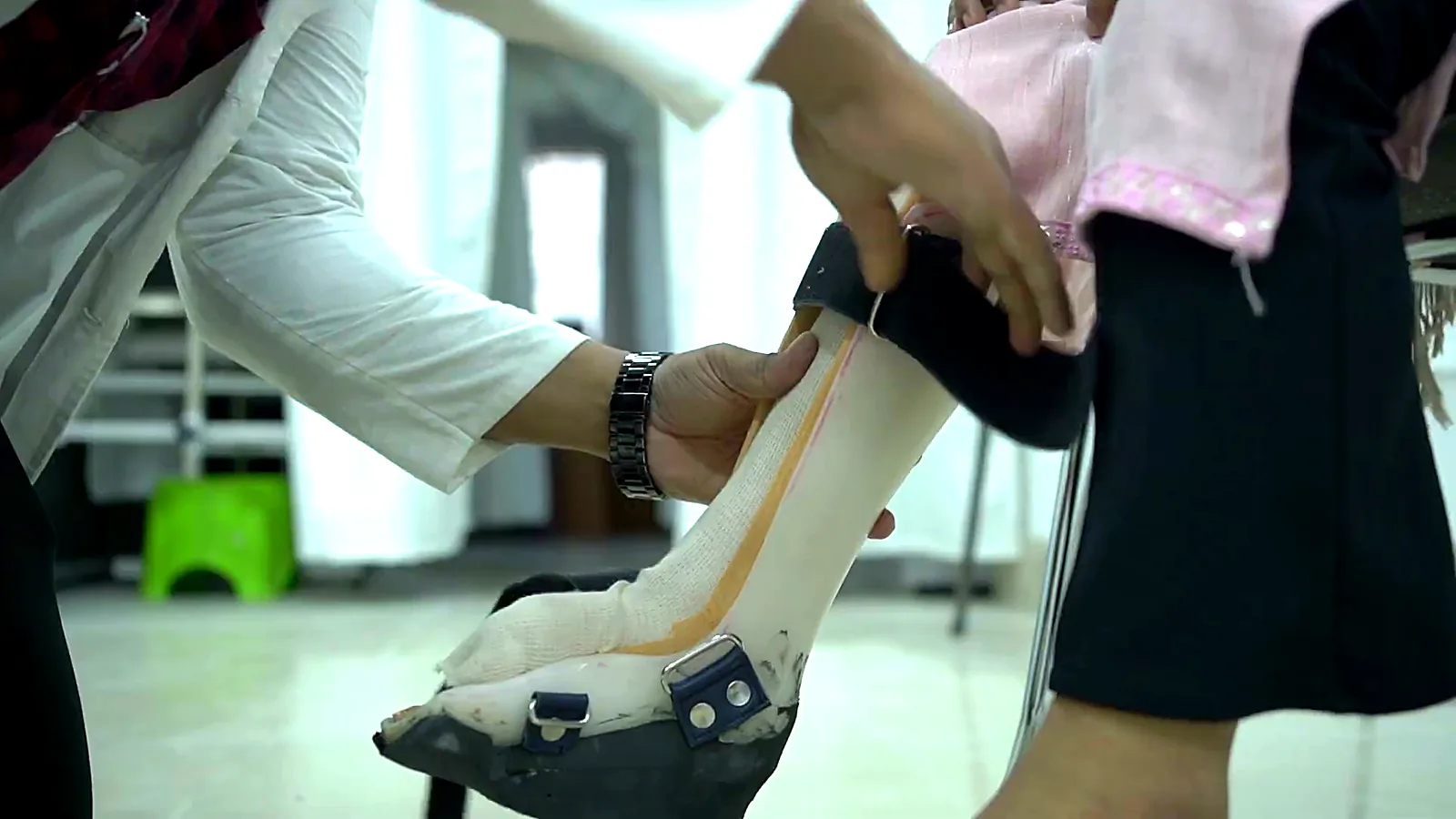
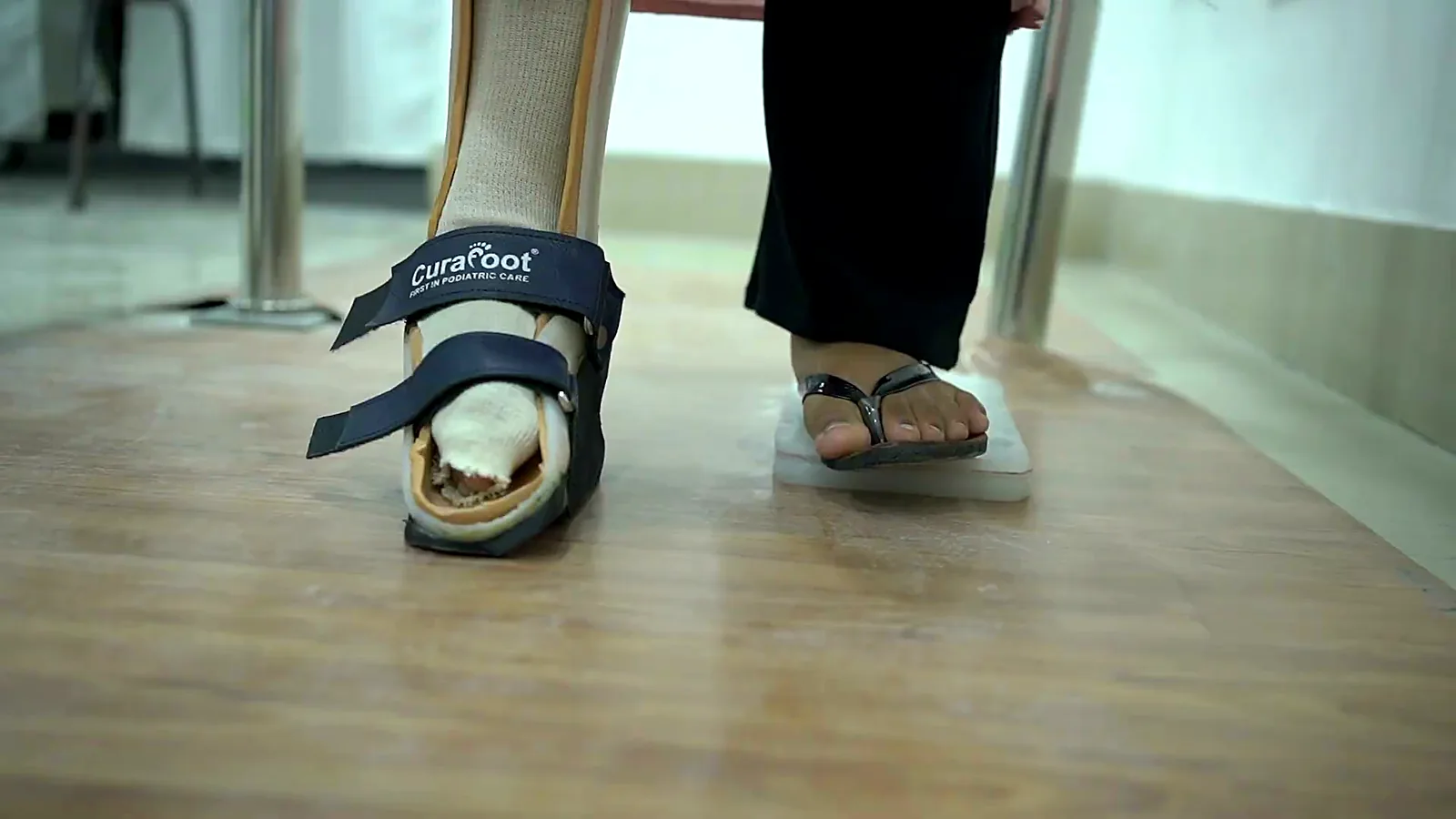
Ankle brace or splint
With minor injuries, an ankle brace or splint helps in holding the injured muscles, bones and tendons in place, and also provides support while you perform basic activities
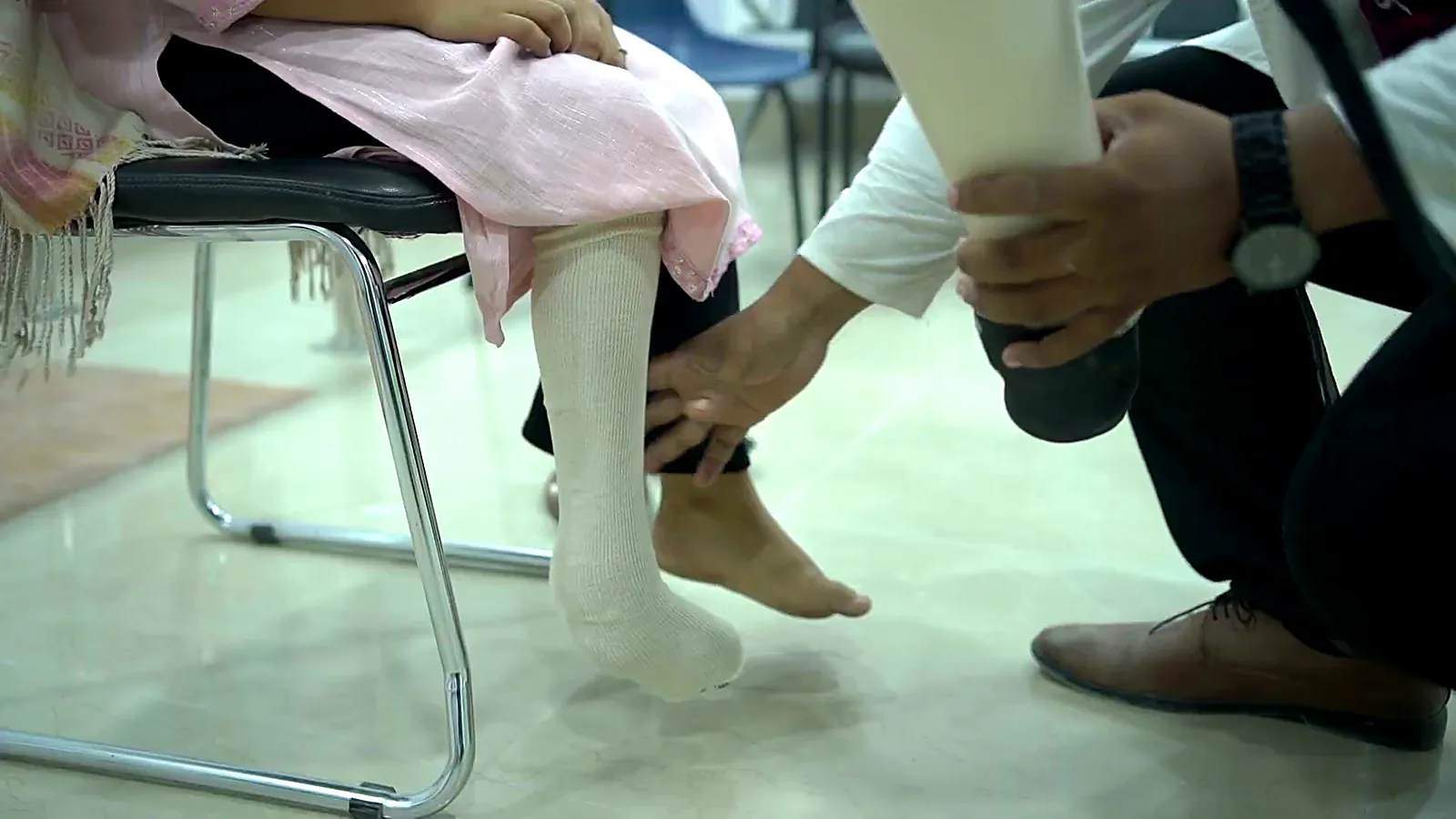
Cast for fractures
Serious injuries such as broken bones (fractures) can require you to wear a cast for a few months, till the bones are repaired.
Physiotherapy
Physiotherapy is highly recommended to promote healing and maintain mobility of the injured joint. Stretching and strengthening exercises can be performed with the supervision of a trained physiotherapist helps in faster healing process.
Custom shoes or insoles
Custom shoes or insoles are recommended to balance out the pressure points and encourage better healing. In addition, these shoes also prevent a recurrence of the injury.
Surgery
In extreme cases, surgery may be required to fix the bones and the muscles – however, this is rare and is recommended when there is no other solution.
It is best to take immediate action in case you suspect an ankle injury to minimize the damage caused to your feet. Always ensure you follow the entire treatment process to ensure complete healing.