What is heel pain?
Heel pain is a chronic, throbbing pain at the base of the foot. Heel pain is usually not dangerous in itself, but it can have serious causes, so get it checked. It can also disrupt daily activities since it inhibits mobility. If you experience acute heel pain periodically, Consult your CuraFoot doctor for a thorough diagnosis.
Heel pain can be severe and may have multiple causes. It is one of the most common in patients with foot pain. The heel of the foot handles the most pressure when a person walks or runs, and therefore is very susceptible to wear and tears.
Other than walking, certain ailments such as neurological problems or arthritis also affect the heel.
What causes heel pain?
- Plantar Fasciitis
- Achilles Tendinitis
- Fracture or injury
- Strain due to overuse of feet
- Foot Deformity
- Osteomyelitis (bone or bone marrow infection)
- Tarsal tunnel syndrome
- Enthesitis or Inflammatory arthritis
- Bone cyst or tumour
- Gout
- Obesity
- Trauma to the bone
How to help prevent heel pain?
Heel pain, if caused due to overuse or strain can be improved through rest. You should be consulting a foot doctor, however, if you have swelling, redness, difficulty in flexing the ankle joint, numbness or excessive pain while walking. It is also a good idea to see a doctor if the heel pain does not reduce after a few hours of rest and persists as a dull ache. Based on the doctor’s diagnosis, the following treatments can be adopted for faster pain relief and recovery:
- Ice packs at regular intervals on the heels to reduce inflammation and soreness
- Anti-inflammatory medication as prescribed by the doctor
- Rest at regular periods
- Light physical exercises as recommended by a physiotherapist, depending on the cause of the pain
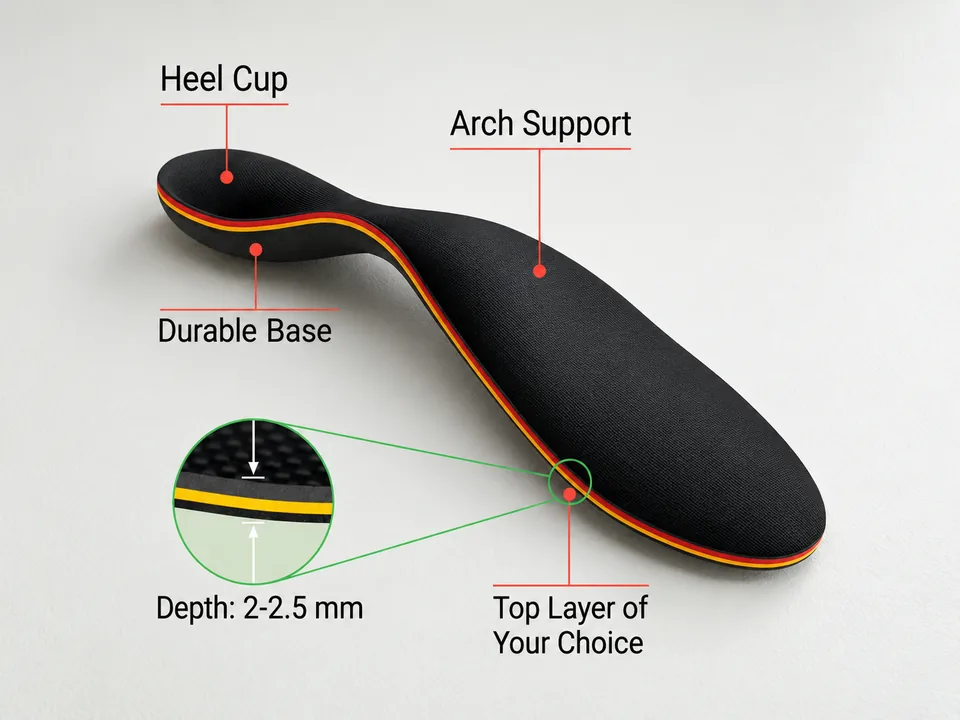
- Use of orthotic insoles that help balance out the pressure of the feet and provide relief from chronic heel pain
- Properly fitted shoes that supports your weight and helps you fulfil your daily activities.
- Weight management
- Heel splints
- Steroid injections for Plantar fasciitis
- Surgery (in case of severe conditions causing heel pain that cannot be cured by any other means)
Irrespective of the cause, if you suffer from heel pain, make sure your feet get adequate rest, since that will provide relief and stop the pain from getting worse.
More about heel pain
Heel pain is a chronic, throbbing pain at the base of the foot or at the ankle joint. Heel pain is usually not dangerous in itself, but it can have serious causes, so get it checked. It can also disrupt daily activities since it inhibits mobility. If you experience acute heel pain periodically, call us at 062923 00396 or book your appointment now & consult with a foot care advisor today.
Heel pain can be severe and can be caused for multiple reasons. It is one of the most common ailments suffered by patients with foot problems. The heel of the foot handles the most pressure when a person walks or runs, and therefore is very susceptible to damage and pain.
Other than walking, certain ailments such as neurological problems or arthritis also affect the heel.
Causes:
There are a number of causes contributing to heel pain, including but not limited to:
1. Plantar fasciitis
2. Tendonitis
3. Ankle sprain, fracture or injury
4. Strain due to overuse of feet
5. Gait related deformity
6. Osteomyelitis (bone or bone marrow infection)
7. Peripheral neuropathy (nerve disease, very frequently found in diabetics)
8. Neuroma (an inflammation of the nerve)
9. Bone cyst or tumour
10. Gout
11. Obesity
12. Trauma to the bone
Heel Pain Treatment:
Heel pain, if caused due to overuse or strain can be improved through rest. You should be consulting a foot doctor, however, if you have swelling, redness, difficulty in flexing the ankle joint, numbness or excessive pain while walking.
It is also a good idea to see a doctor if the heel pain does not reduce after a few hours of rest and persists as a dull ache. Based on the doctor’s diagnosis, the following treatments can be adopted for faster pain relief and recovery:
1. Ice packs at regular intervals on the heels to reduce inflammation and soreness
2. Anti-inflammatory medication as prescribed by the doctor
3. Rest at regular periods
4. Light physical exercises as recommended by a physiotherapist, depending on the cause of the pain
5. Use of orthotic insoles that help balance out the pressure of the feet and provide relief from chronic heel pain
6. Properly fitted shoes that supports your weight and helps you fulfil your daily activities.
7. Weight management
8. Heel splints
9. Steroid injections
10. Surgery (in case of severe conditions causing heel pain that cannot be cured by any other means)
It is important to consult a doctor to understand the true cause for which you are suffering from heel pain. A foot specialist is needed to understand the causes and recommend accurate heel pain treatment targeting the specific cause.
Irrespective of the cause, if you suffer from heel pain, make sure your feet get adequate rest, since that will provide relief and stop the pain from getting worse.