Home › Conditions and Treatments ›

Sports Injuries

Sports Injuries

Some injuries come from a sudden knock, while others build up from wear and tear on muscles or tendons.

Or call 062923 00396

4.7 from 731 Google reviews across our clinics

On this page
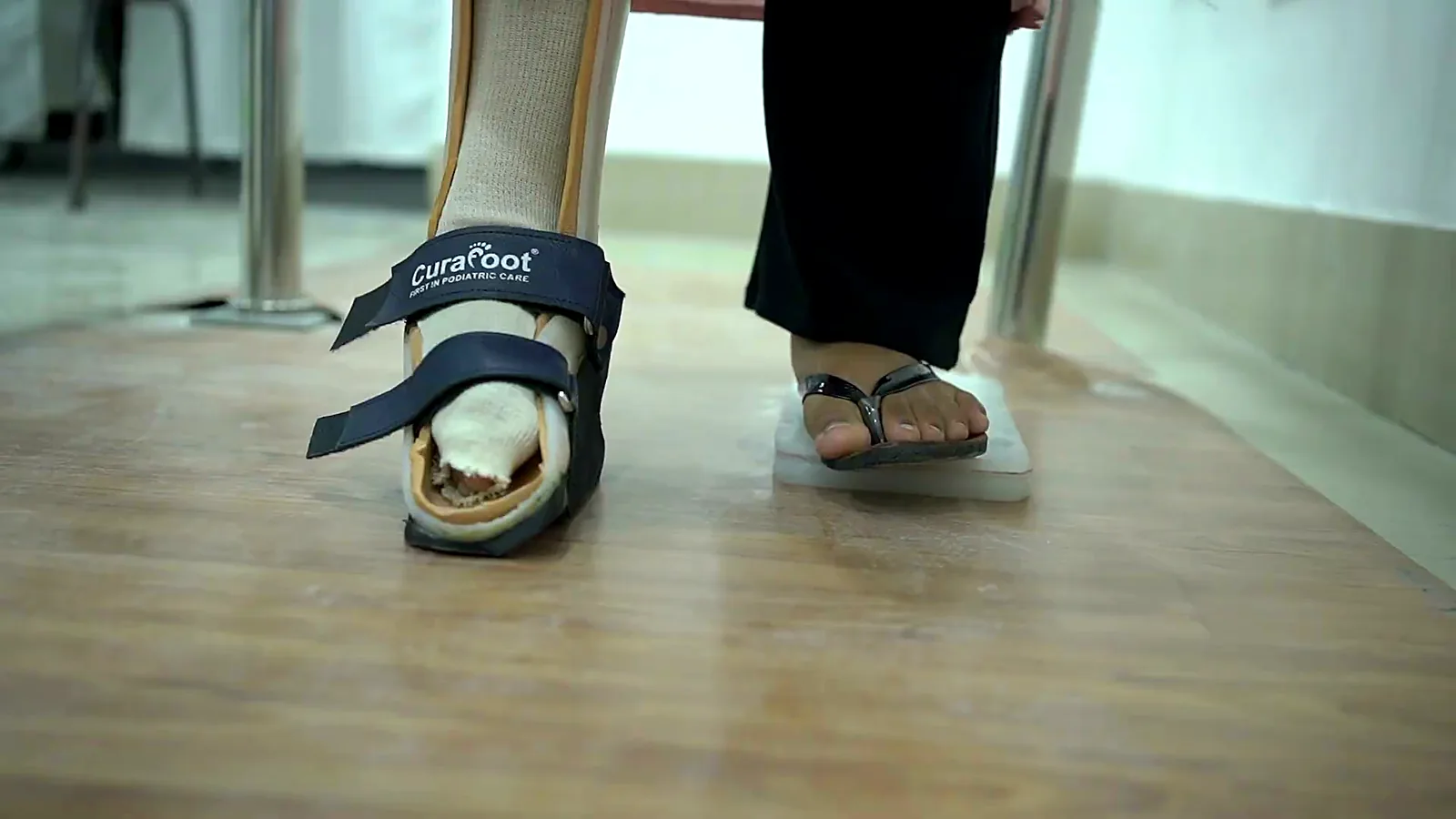
Patient wearing a walker boot at CuraFoot

Foot and ankle injuries are common in sport, and if you are worried, please contact CuraFoot Clinic for an appointment.

Causes

Foot and ankle injuries for athletes can be caused for a number of reasons such as

  1. Overuse
  2. Rapid warm up
  3. Sports requiring playing on hard surfaces (such as basketball)
  4. Unnatural bent of the ankle
  5. Blunt force trauma

Conditions

Common foot conditions caused as a result of sports include:

1. Plantar fasciitis
2. Achilles tendonitis
3. Sprains and fractures
4. Ball of foot pain
5. Cramps
6. Flat feet
7. Corns & calluses
8. Athlete’s feet (fungal infection to your feet)

One of the best ways to avoid any of the above is by investing in custom sports shoes or custom insoles specifically designed to support your feet. These redistribute feet pressure and also avoid overstraining any particular tendon or muscle. It is very important to have the right footwear to suit your feet and level of activity.

Running injuries

Running loads the feet and legs thousands of times in each run, so most running injuries come from doing too much, too soon, or from how the feet move. The common ones each have their own page:

Cricket, football and badminton

Sports with quick turns, jumps and landings bring more ankle sprains and forefoot injuries:

At CuraFoot a foot doctor finds the cause and plans your way back: a sports injury assessment, a gait analysis and 3D foot scan, custom insoles for your sports shoes, braces and walker boots and physiotherapy. See our Sports Injury Foot Clinic.

Symptoms

Where runners get hurt Side view of a right leg, from the thigh to the toes. Step 1: when you run, the foot absorbs the shock of landing at every step and carries your weight up through the ankle, shin and knee. Step 2: common sore spots light up one by one: the heel (plantar fasciitis), the shin (shin splints), the knee and the ankle (sprains, Achilles tendon). Step 3: a podiatrist watches how you walk and run (walking, or gait, analysis) and, if needed, a custom insole in the right shoes supports the foot and spreads the pressure. Where runners get hurt landing: the foot absorbs the shock at every step Heel bone(calcaneus) Heel pain(plantar fasciitis) Shin bone(tibia) Shin pain(shin splints) Kneeand kneecap Knee painsore on walks or stairs Anklewhere leg meets foot Ankle pain(sprains, Achilles tendon) Walking (gait) analysisa podiatrist watcheshow you walk and run The right shoesfor your feetand your sport Custom insolesupports the foot,spreads the pressure

Swelling from sports injury

See a doctor immediately if you show any of the following signs:

1. Sharp, stabbing pain
2. Swelling or redness
3. Numbness or insensation
4. Instability or weakness in the joint or foot
5. Unnatural bent of the ankle or foot
6. Tenderness or soreness
7. Continuous dull pain of the foot

You may be suffering from a sudden trauma or from an injury that is caused by wear and tear of the muscles or tendons from prolonged use and pressure.

Treatment

There treatments – targeted towards athletes – deal specifically with sports injuries and related conditions. Usually an athlete suffering from injuries is kept away from playing further till the time that the condition is completely cured.

IMPORTANT

Often, because of inadequate rest, the condition tends to recur and may cause more severe damage. In extreme cases of damage, surgery may be required.

Non-invasive treatments are adapted by podiatrists in case of mild to moderate injuries. Such injuries can heal over time if the complete treatment cycle is followed through along with adequate rest.

Treatments vary depending on the kind of injury. Here are some basic treatment steps that you can follow immediately after an injury:

Ice or compression

Use ice packs or compressions to reduce the swelling and the pain.

Rest the foot

Do not put pressure on the foot and provide rest.

Elevate the feet

Elevate your feet and rest to improve blood circulation.
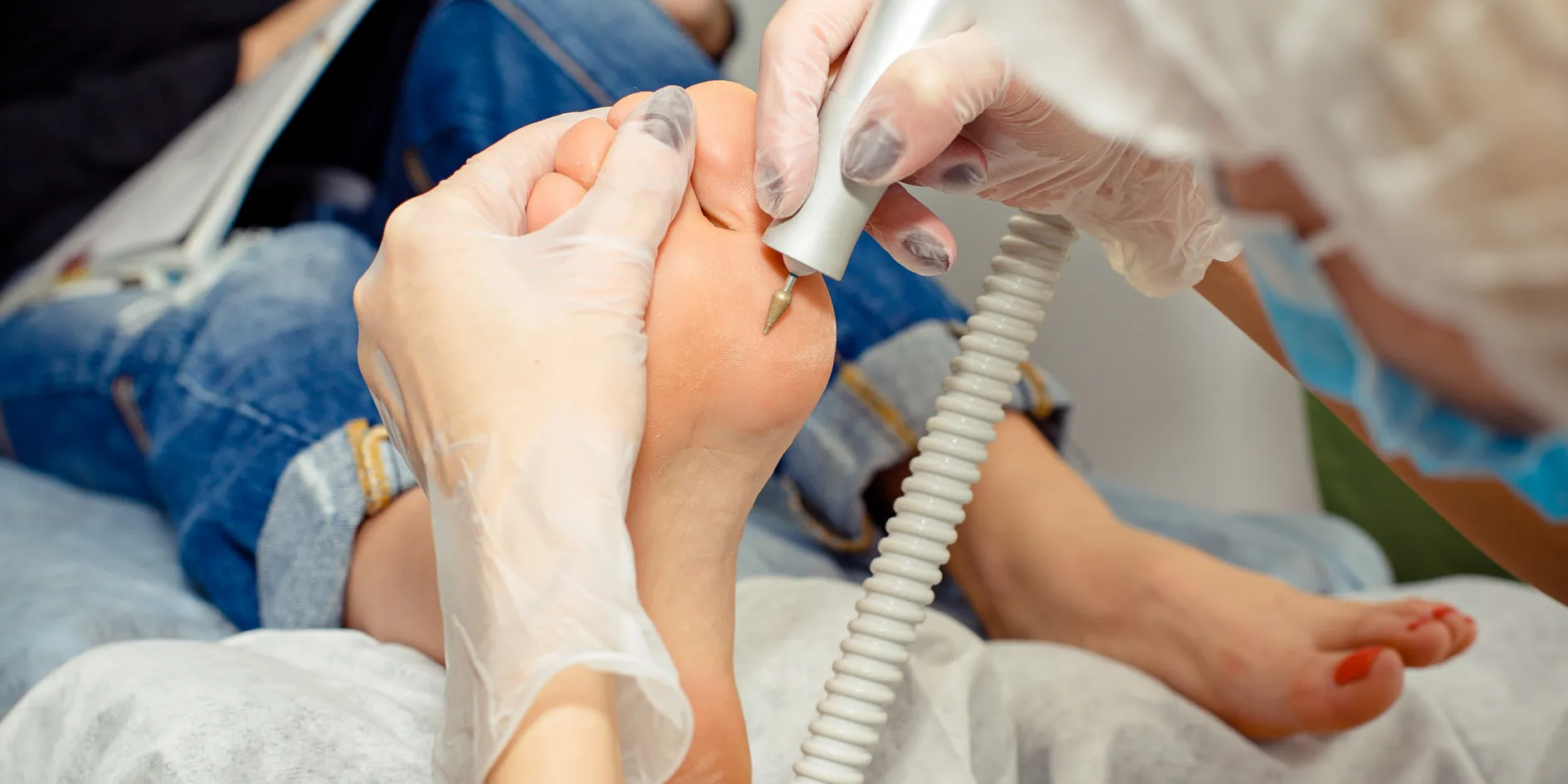
Consult a foot specialist immediately to understand the level of damage and follow his instructions for faster healing.

Your first visit

  1. Book your visit Request an appointment online, call or WhatsApp the clinic. The clinic desk confirms a time with you.
  2. Assessment A podiatrist (foot doctor) or a doctor asks about your symptoms and examines your feet, and may check how you stand and walk with a foot scan or gait analysis.
  3. Your treatment plan You leave with a clear plan: treatment, exercises and footwear advice, or custom insoles made from your foot scan.

What to bring: previous prescriptions, X-rays, MRI or lab reports and your list of medicines. Wear the footwear you use most often: it helps with the assessment.

A CuraFoot clinician examining a patient's foot during an assessment

Since 2017 treating feet in Kolkata · Foot & ankle surgeon on our clinical team · 3D scan and pressure mapping for every insole · Six places to see us in Kolkata, Kharagpur and Bhubaneswar

Treatment at CuraFoot

“I am very very satisfied for curafoot, I used sandals and sole, I visited Banaras only for curafoot aswell as many many thanks to Dr Naba kr Sahawho is referred in this Clinic, My Callus removed by Mrs Ushoshi very very nicely.”

Google review

Sports Injuries: your questions

Something else? Call 062923 00396.

What causes foot and ankle injuries in sport?

Common causes include overuse, warming up too quickly, playing on hard surfaces such as basketball courts, the ankle bending the wrong way, and blunt force trauma. Some injuries come from a sudden knock, while others build up from wear and tear on muscles or tendons.

Which foot problems can sport lead to?

Sport can lead to plantar fasciitis, Achilles tendonitis, sprains and fractures, ball of foot pain, cramps, flat feet, corns and calluses, and athlete's foot, a fungal infection of the feet.

What should I do straight after hurting my foot or ankle?

Use ice packs or compression to reduce swelling and pain. Keep weight off the foot, rest it and raise it up. Then see a foot specialist as soon as you can to understand the level of damage, and follow their advice.

How can I lower my risk of a sports foot injury?

Having the right footwear for your feet and your level of activity is very important. Custom sports shoes or custom insoles designed to support your feet help spread pressure and avoid overstraining any one tendon or muscle.

Why does rest matter so much after a sports injury?

Without enough rest, an injury tends to come back and may cause more serious damage. Mild to moderate injuries can heal over time if you follow the full course of treatment and rest properly.

When should I see a doctor about a sports injury?

See a doctor straight away if you have sharp, stabbing pain, swelling or redness, numbness, weakness or instability in the joint or foot, tenderness, continuous dull pain, or if your ankle or foot bends unnaturally. Booking an assessment at CuraFoot is a sensible next step.

What is a sports injury?

Any injury that happens while playing sport or exercising. In the feet and ankles they are either sudden, such as a sprain or a fracture, or overuse injuries that build up, such as shin splints, stress fractures and tendon pain.

How can I avoid sports injuries?

Build up training gradually, warm up, wear shoes that fit your feet and your sport and replace them when worn, and have a niggle checked before it becomes an injury. Strength and balance exercises help protect the ankles.

Do I need an X-ray for foot pain after sport?

If you cannot put weight on the foot, the pain is at one spot on a bone, the foot looks out of shape, or pain is getting worse after a few days, an X-ray may be needed. A foot doctor can tell you.

Can I keep playing with a foot injury?

Playing through pain usually makes the injury last longer. Rest from the activity that hurts and have it checked if it does not settle within a few days.

Book an appointment

Assessment and a plan in one visit. We call you to confirm your time.

Prefer to talk? Call 062923 00396 or WhatsApp us.

See a foot doctor at Ajoy Nagar, Apollo Gleneagles Hospital, Kharagpur, Patia or Kolkata.

← Back

Thank you for your response. ✨

Thank you, we have your request. The clinic desk will call you to confirm a time, Monday to Saturday from 11 am. If it’s urgent, call or WhatsApp us on 062923 00396.