If you are experiencing foot or ankle pain of any sort please contact CuraFoot Clinic for an appointment.
Ball of foot pain (metatarsalgia)
Step 1 of 3 · Weight shared · inside of the foot
Metatarsalgia = Pain under the Ball of the Foot
Metatarsalgia is a term for a painful foot condition in the metatarsal area of the foot (just before the toes). This area is commonly referred to as the ball of the foot. This common disorder can affect bones and joints at the ball of the foot and cause pain.
There are a lot of causes of metatarsalgia.
Capsulitis
The most common cause of pain under the ball of the foot area. It is simply an inflammation of the joint at the base of the toes and is usually caused by excessive pressure on this area.
Neuromas
Usually cause pain in the forefoot, especially in the area of the 3rd and 4th toes. The pain may be shooting, burning, stabbing, radiating or just an “odd” feeling in the area. Many patients experience relief of symptoms after they remove their shoe and massage the area.
Sesamoiditis
The sesamoids are small bones under the first metatarsal head and are prone to overuse and inflammation. This condition is called sesamoiditis and treatment is focused on removing force from the area and reducing inflammation.
Callus
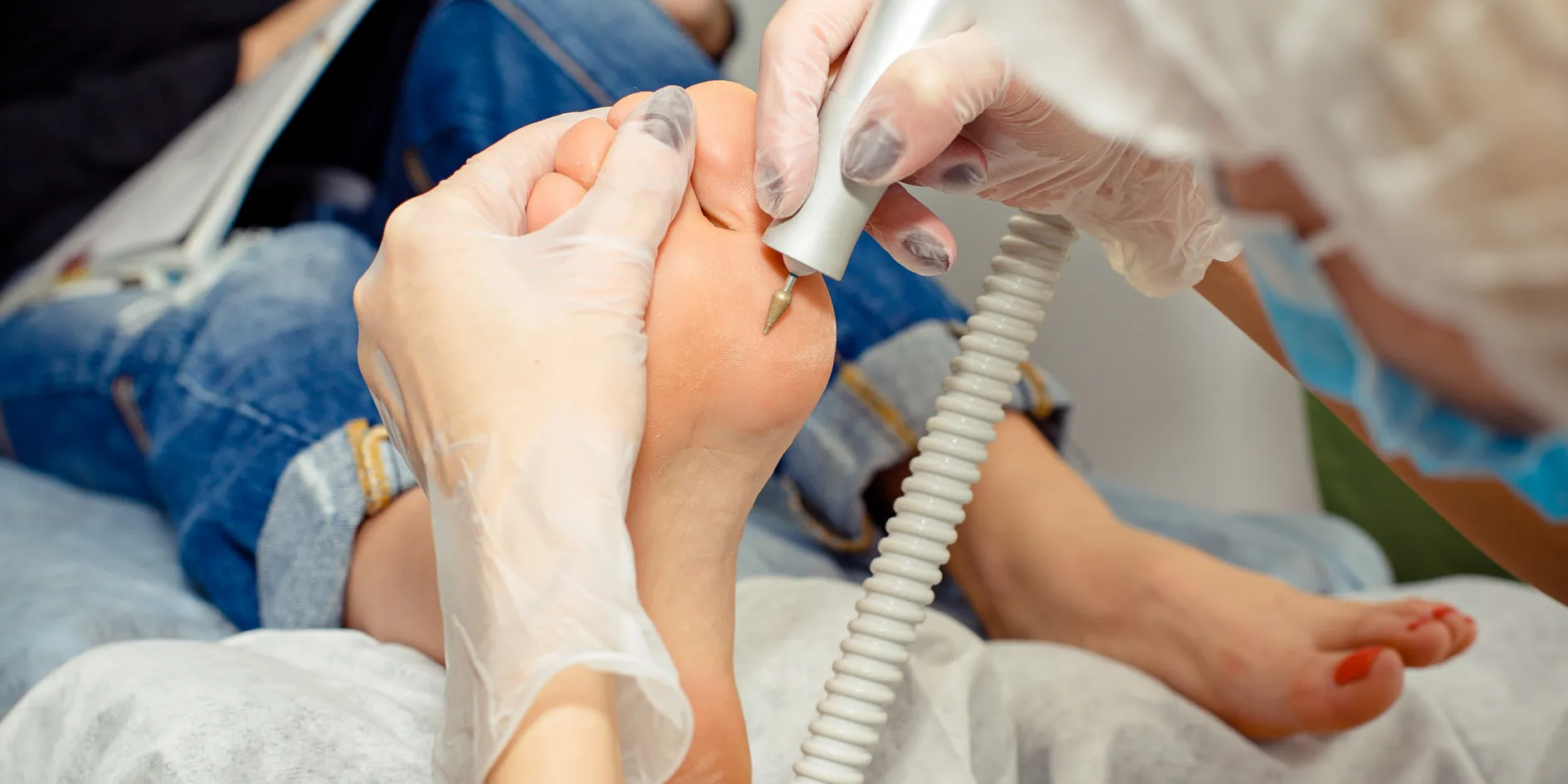
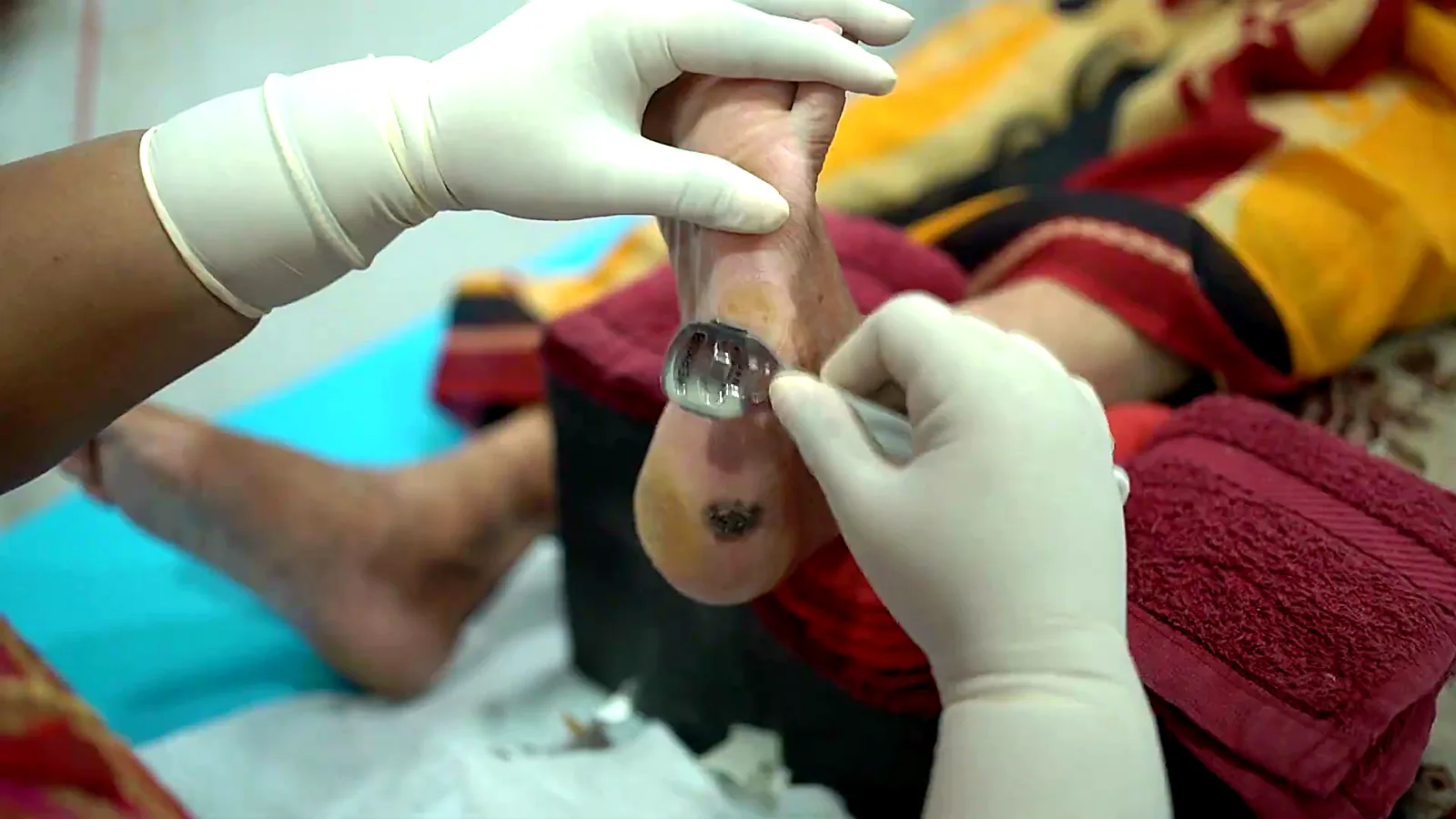
A callus is a thickening of the skin, often found under the ball of the foot. It can cause significant pain – much like having a rock in your shoe.
Plantar plate tear
This is a tear in the ligaments of one of the joints of the ball of the foot. It often causes chronic ball of foot pain. You may need an MRI arthrogram to diagnose the condition.
Signs and Symptoms of Metatarsalgia
Dull ache
Pain in the area of the ball of the forefoot. Pain is often a dull ache, much like a bruise.
Worse barefoot
Pain is worse with walking barefoot, especially on hard surfaces like concrete or ceramic tile.
Outside of foot
Pain often forces a person to walk on the outside of the foot in an effort to avoid stepping on the ball of the foot.
Good running shoes
Pain is often less in good running shoes, especially those with forefoot cushioning.
Callus forms
Sometimes a callus will form in the area of increased pressure and pain.
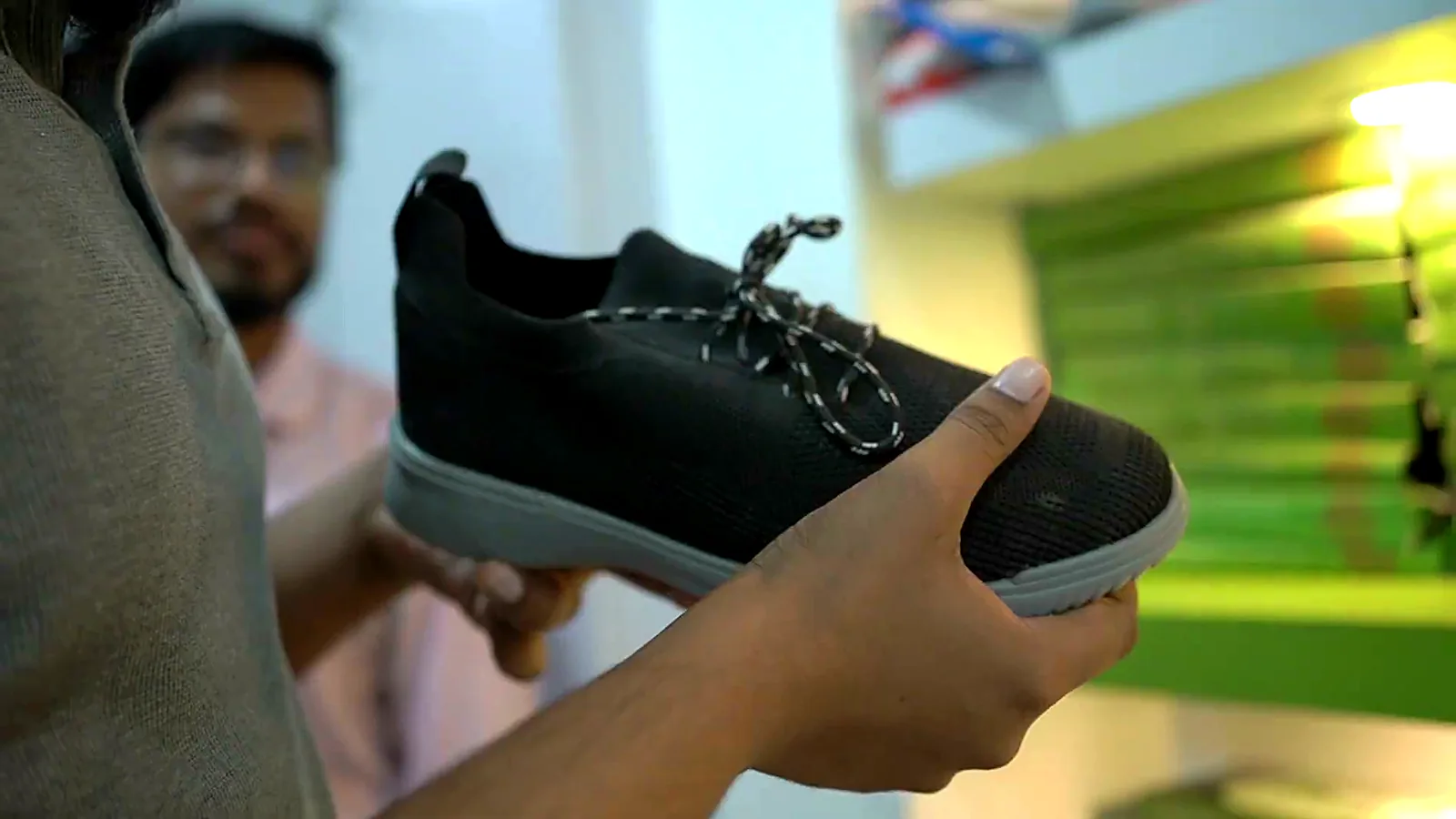
The majority of metatarsalgia cases are due to biomechanical problems of the forefoot. Many cases can be treated with a metatarsal pad, arch support or increased cushion of the forefoot either in the shoe or on the outer soles. You will need a good pair of shoes. If you are replacing your shoes, consider a pair that offer some form of forefoot cushioning. Curafoot can help you find comfort footwear with these features.
Treatment of Ball of Foot Pain
Cura Foot’s primary goal when treating metatarsalgia or Ball of Foot Pain is to reduce pressure on the painful area of the foot. This can be accomplished through:
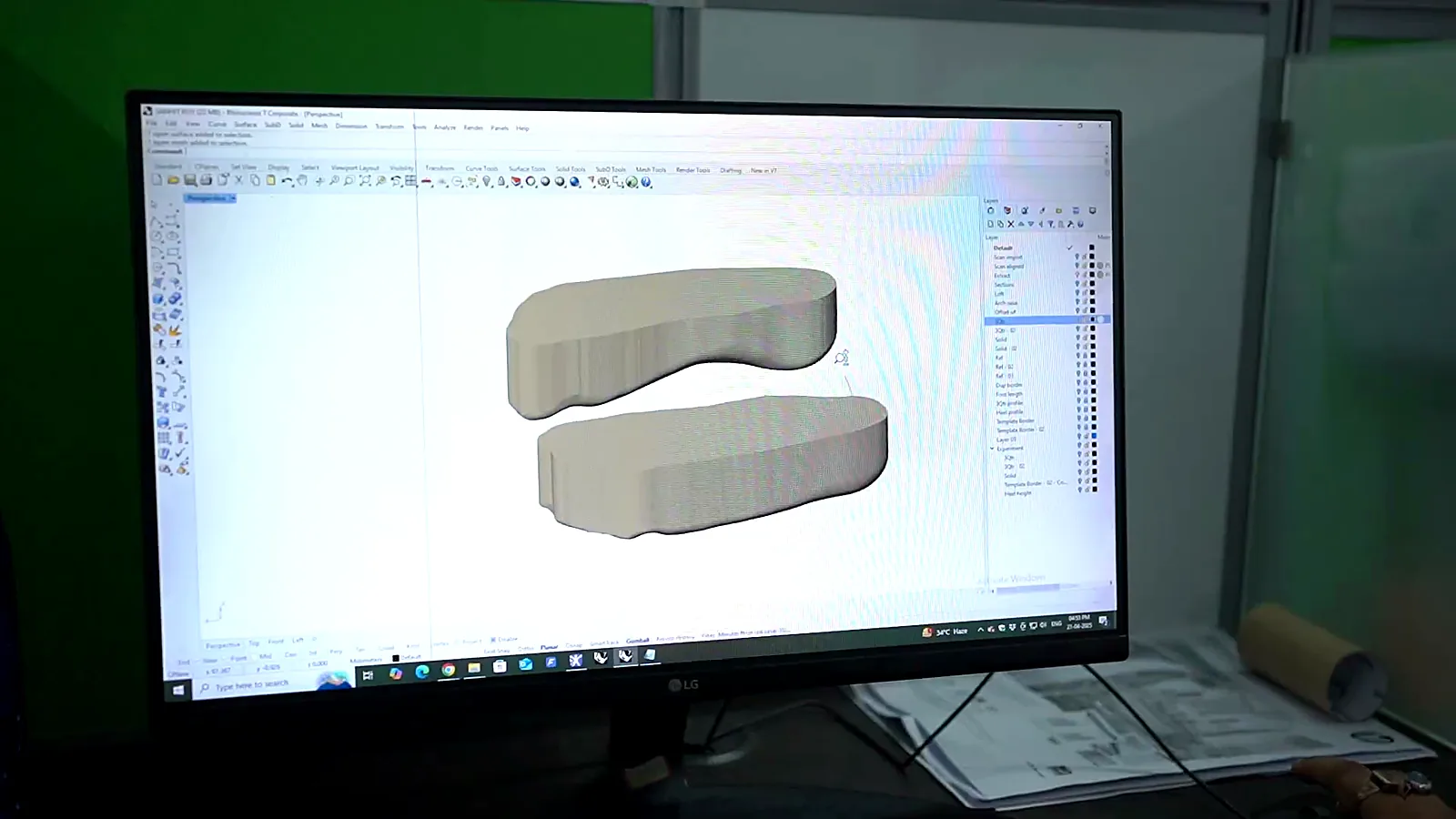
Custom orthotics
Cushioned socks
Cushioned socks
Pads and cushions
Pads and cushions
Once the pressure on the foot is reduced, a number of follow-up processes can also be recommended:
- Ice
- Medication
- Rest
- Physical therapy
- Injection
Do not let your forefoot pain get worse. Please contact Cura Foot Clinic for an appointment and get treated soon.
Facts on BaLL OF FOOT PAIN
What is ball of foot pain?
Ball of Foot Pain or Metatarsalgia is a term for a painful foot condition in forefoot (proximal to the toes). This area is commonly referred to as the ball of the foot. This common disorder can affect bones and joints at the ball of the foot and cause pain. Consult your CuraFoot doctor for a thorough diagnosis.
Signs and Symptoms of Metatarsalgia
- Pain in the area of the ball of the forefoot. Pain is often a dull ache
- Pain is worse with walking barefoot, especially on hard surfaces
- Pain often forces a person to walk on the outside of the foot in an effort to avoid stepping on the ball of the foot.
- Pain is often less in good running shoes, especially those with forefoot cushioning.
- Sometimes a callus will form in the area of increased pressure and pain
The majority of metatarsalgia cases are due to biomechanical problems of the forefoot. Many cases can be treated with a metatarsal pad, arch support or increased cushion of the forefoot either in the shoe or on the outer soles. You will need a good pair of shoes. If you are replacing your shoes, consider a pair that offer some form of forefoot cushioning. Curafoot can help you find comfort footwear with these features.
What causes ball of foot pain?
- Capsulitis: The most common cause of pain under the ball of the foot area. It is simply an inflammation of the joint at the base of the toes and is usually caused by excessive pressure on this area.
- Neuromas: Usually cause pain in the forefoot, especially in the area of the 3rd and 4th toes. The pain may be shooting, burning, stabbing, radiating or just an “odd” feeling in the area. Many patients experience relief of symptoms after they remove their shoe and massage the area.
- Sesamoiditis: The sesamoids are small bones under the first metatarsal head and are prone to overuse and inflammation. This condition is called sesamoiditis and treatment is focused on removing force from the area and reducing inflammation.
- Callus: A callus is a thickening of the skin, often found under the ball of the foot. It can cause significant pain – much like having a rock in your shoe.
- Plantar plate tear: This is a tear in the ligaments of one of the joints of the ball of the foot. It often causes chronic ball of foot pain. You may need an MRI arthrogram to diagnose the condition.
How to treat ball of foot pain?
Cura Foot’s primary goal when treating metatarsalgia or Ball of Foot Pain is to reduce pressure on the painful area of the foot. This can be accomplished through:
- Custom orthotics
- Pads and cushions
Once the pressure on the foot is reduced, a number of follow-up processes can also be recommended:
- Ice
- Medication
- Rest
- Physical therapy
- Injection