Home › Conditions and Treatments ›

Ingrown Toenails

Ingrown Toenail Treatment in Kolkata

An ingrown toenail happens when the nail grows and curls into the skin.

Or call 062923 00396

4.7 from 731 Google reviews across our clinics

On this page
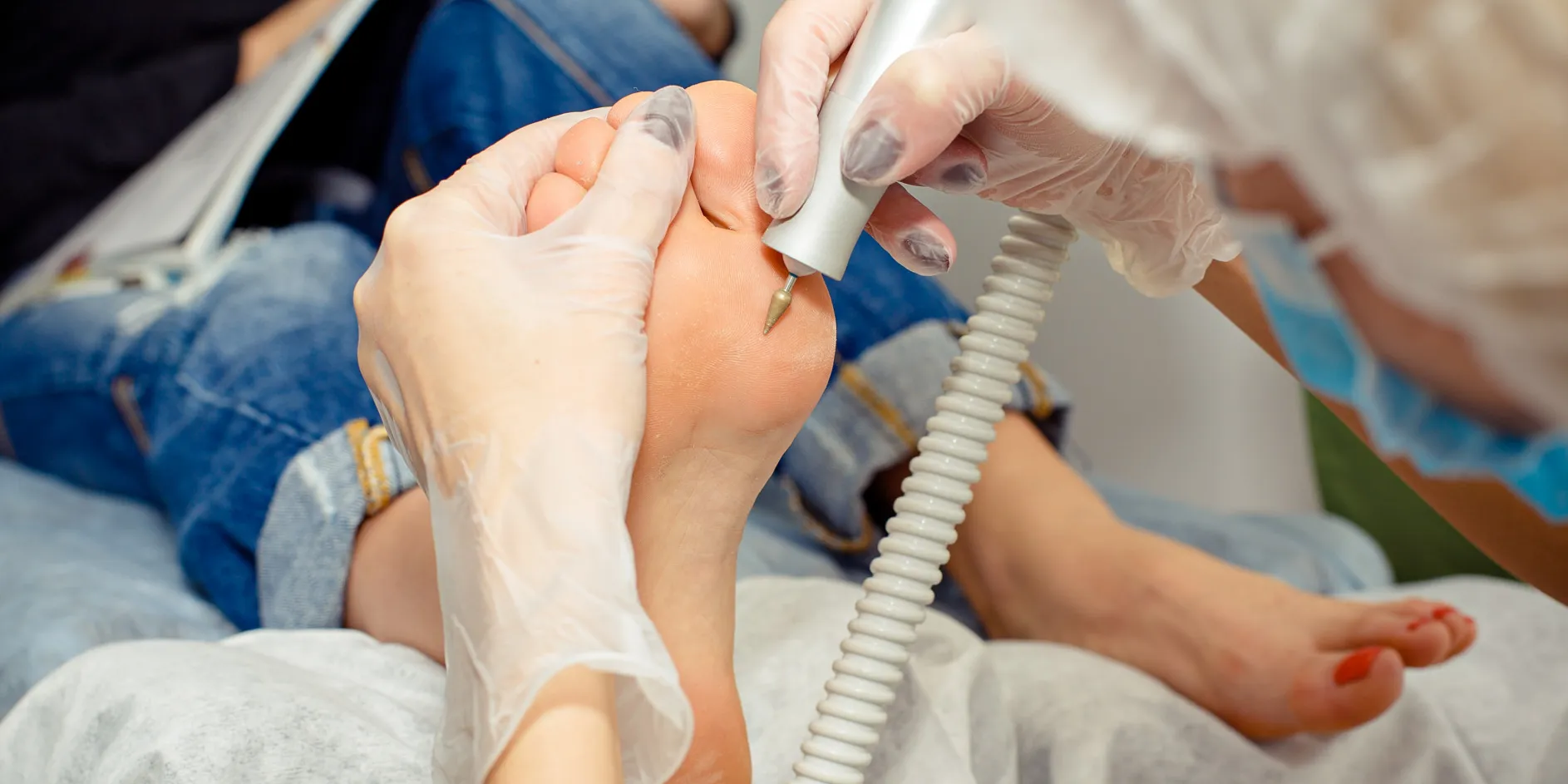
Podiatrist treating a toenail with a nail drill at CuraFoot

Conditions caused by an ingrown toenail include:

Ingrown toenail The big toe seen end-on from the front, as a slice. Step 1: the toenail sits on top of the toe and its side edges rest under soft folds of skin (nail folds). Step 2: tight shoes, cutting the nail too short or an injury push one nail edge down into the skin beside it; the skin fold turns red, swollen and sore. Step 3: in the clinic a podiatrist frees the nail edge, or, if it keeps coming back, removes that edge of the nail in a minor procedure; roomy shoes take the pressure off the toes. Ingrown toenail Toenail(nail plate) Nail foldsoft skin beside the nail Toe bone(phalanx) Nail growsinto the skin(ingrown toenail) Red, swollen skinsore; can get infected Tight shoessqueeze the toe Nail edge freedor removed, by thepodiatrist in the clinic Roomy shoesno pressure on the toes

  • Swelling of the affected area
  • Sharp pain in the toe
  • Oversensitivity to any touch, pressure or stress
  • Redness or swelling around the nail
  • Inflammation or discharge around the nail

In grown toenails are usually extremely painful, where even the lightest touch can create a stabbing sensation and makes mobility difficult as a result. If you experience nail or foot pain, please call us at 062923 00396 or book an online consultation.

Causes

Ingrown toenails may be caused by:

  • Tight shoes that bunch up the toes – these put pressure on the nail and continued pressure can cause the nail to curve and embed inward.
  • Incorrect nail cutting – cutting the nails too short can cause the nail to embed in the skin when it grows. On the other hand, if the nail is kept too long, it can curve and pierce the skin.
  • Weight-bearing – For those who follow regular walking or running schedules, if the skin tissue around the toenail is soft, such activities can cause pressure on the nail and push it into the skin.
  • Toe injury – trauma to the toe can cause the nail to curve or break off and embed in the skin. It is more susceptible if there is an open wound next to the toenail.

To prevent ingrown toenails, proper nail-cutting is needed. Also wearing comfortable shoes that do not put pressure on the toes may reduce the chances of ingrown toenails.

For diabetics, it is essential to consult a foot specialist on an urgent basis if they get an ingrown toenail. Ingrown toenails are like open wounds, and are very susceptible to infections that can worsen progressively.

Treatment

For mild conditions of ingrowth, a splint, a small cotton bud or a dental floss may be used to create a gap between the nail and the underlying skin. Once the nail grows longer, it can grow out of the edge of the skin instead of remaining embedded. In this case, it is required to soak your feet in warm salt water to avoid bacteria formation. Antibacterial ointments can also be used till the time the toe is healed.

In case of severe nail ingrowths, a minor toenail surgery may be required, wherein the nail is surgically removed from the embedded skin. In certain cases, a small portion of the nail bed can also be removed in addition to the nail. In some cases, as a last resort, the entire toenail can be removed.

Oftentimes, antibiotics are prescribed in addition to the treatment to clear the infection and heal the wound. It is important to ensure that the treatment procedure is done in all cases by a registered podiatrist to avoid complications and ensure accuracy.
Your first visit

  1. Book your visit Request an appointment online, call or WhatsApp the clinic. The clinic desk confirms a time with you.
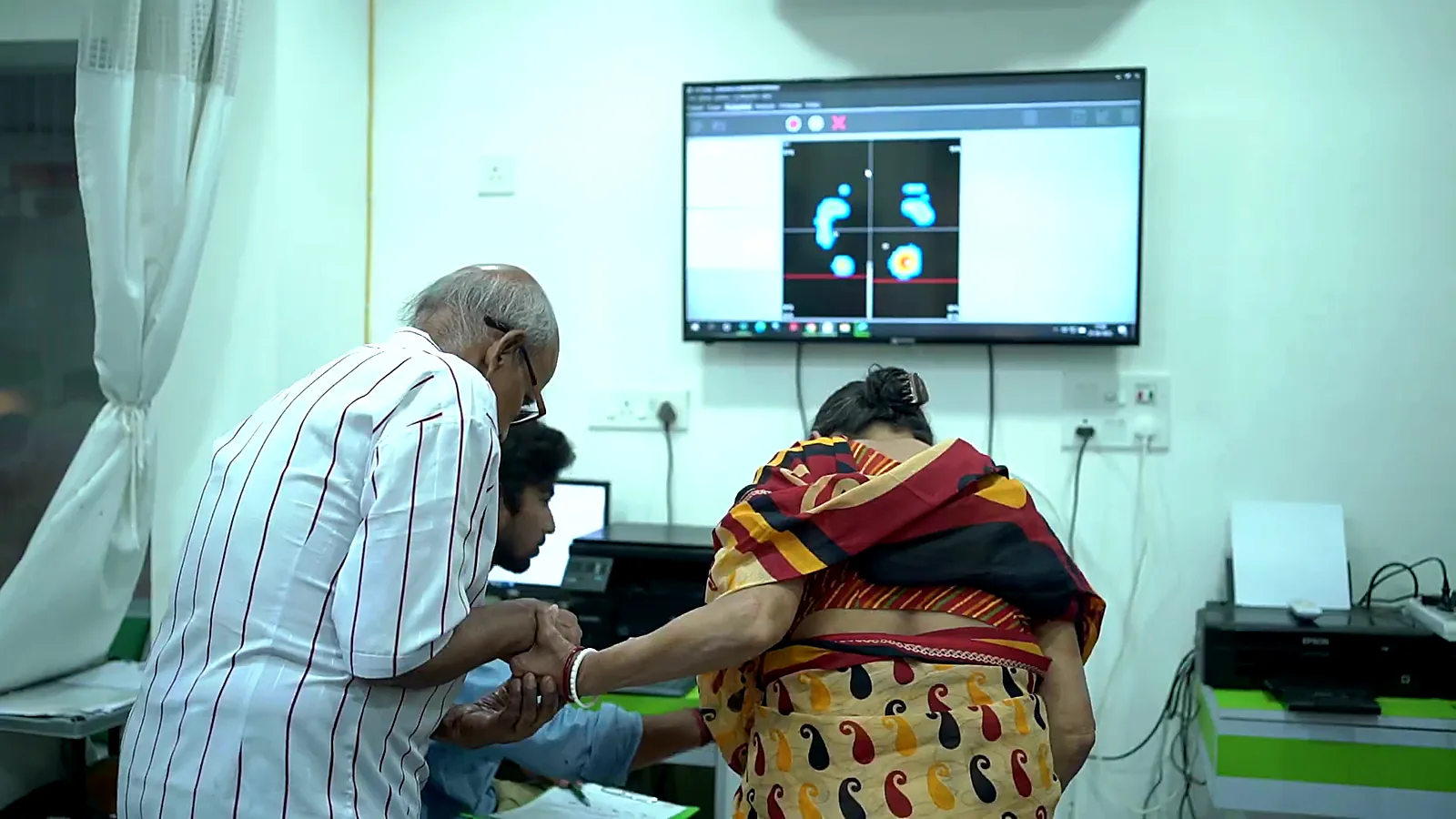
  2. Assessment A podiatrist (foot doctor) or a doctor asks about your symptoms and examines your feet, and may check how you stand and walk with a foot scan or gait analysis.
  3. Your treatment plan You leave with a clear plan: treatment, exercises and footwear advice, or custom insoles made from your foot scan.

What to bring: previous prescriptions, X-rays, MRI or lab reports and your list of medicines. Wear the footwear you use most often: it helps with the assessment.

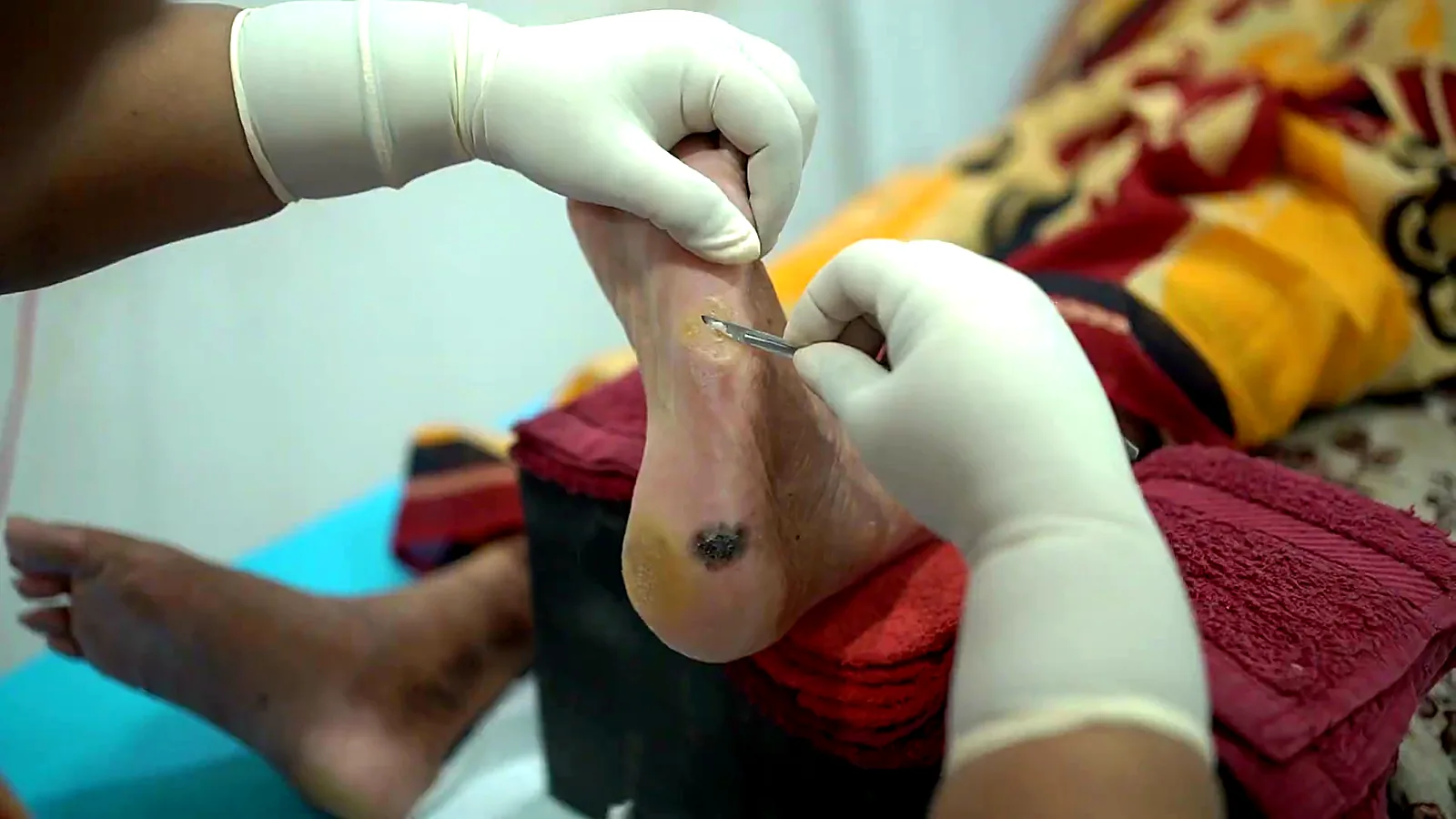
A CuraFoot clinician examining a patient's foot during an assessment

Since 2017 treating feet in Kolkata · Foot & ankle surgeon on our clinical team · 3D scan and pressure mapping for every insole · Six places to see us in Kolkata, Kharagpur, Bhubaneswar and Chirala

Treatment at CuraFoot

“I am very very satisfied for curafoot, I used sandals and sole, I visited Banaras only for curafoot aswell as many many thanks to Dr Naba kr Sahawho is referred in this Clinic, My Callus removed by Mrs Ushoshi very very nicely.”

Google review

Ingrown Toenails: your questions

Something else? Call 062923 00396.

What are the signs of an ingrown toenail?

An ingrown toenail happens when the nail grows and curls into the skin. Signs include sharp pain in the toe, swelling, redness or inflammation around the nail, discharge, and oversensitivity to touch or pressure. It is often extremely painful, and even a light touch can cause a stabbing sensation.

What causes ingrown toenails?

Common causes are tight shoes that bunch up the toes, cutting nails too short or leaving them too long, pressure from regular walking or running when the skin around the nail is soft, and injury to the toe. An open wound next to the toenail makes it more likely.

How can I prevent ingrown toenails?

Cutting your nails properly, neither too short nor too long, is the main step. Wearing comfortable shoes that do not put pressure on your toes may also reduce the chances of an ingrown toenail.

How is a mild ingrown toenail treated?

For mild ingrowth, a splint, small cotton bud or dental floss may be used to create a gap between the nail and the skin, so the nail can grow out past the edge of the skin. Soaking your feet in warm salt water helps avoid bacteria, and antibacterial ointments can be used until the toe heals.

What happens if an ingrown toenail is severe?

Severe ingrowth may need a minor toenail procedure to remove the nail from the embedded skin, sometimes along with a small portion of the nail bed. As a last resort, the whole toenail may be removed. Antibiotics are often prescribed as well to clear infection and help the wound heal.

When should I see a podiatrist about an ingrown toenail?

If you have diabetes, see a foot specialist urgently, as ingrown toenails are like open wounds and very prone to infections that can worsen. Whatever the severity, treatment should be done by a registered podiatrist to avoid complications. If your toe is sore, do book an assessment at CuraFoot.

Book an appointment

Assessment and a plan in one visit. We call you to confirm your time.

Prefer to talk? Call 062923 00396 or WhatsApp us.

See a foot doctor at Ajoy Nagar, Apollo Gleneagles Hospital, Kharagpur, IRC Village, Kolkata or Sri Sai Diabetes Clinic.

← Back

Thank you for your response. ✨

Thank you, we have your request. The clinic desk will call you to confirm a time, Monday to Saturday from 11 am. If it’s urgent, call or WhatsApp us on 062923 00396.