As a diabetic, patients have to deal with many issues regarding their health, the most important of which is to reduce blood sugar with the appropriate diet, medication and exercise. However, what many patients may not be always be aware of is that Diabetes Foot Care is Also Essential.
The following tips have been quoted with citation from the website of the American Diabetes Association. https://diabetes.org/about-diabetes
“Taking care of your feet when you have diabetes is an important part of your self-care regimen. Diabetic nerve damage can lessen your ability to feel sensations like pain, heat, and cold. This means that you may not even realize that you have a foot injury like a cut or blister until it gets infected. Nerve damage can even cause the shape of your feet and toes to change, making regular shoes uncomfortable and possibly damaging to your feet.
Diabetes also causes blood vessels to narrow and harden, resulting in poor circulation (blood flow)—another culprit when it comes to foot complications. Poor circulation makes it more difficult for your foot to fight infection and heal.
While even small cuts and ulcers can lead to more serious infections that result in loss of a limb, there are things you can do to protect your feet. Follow these tips to help prevent injury and reduce the risk of developing foot problems that can occur when you’re living with diabetes and neuropathy.
Practice Good Daily Foot Care
Wash your feet well every day but refrain from using hot water. Instead, use warm soapy water and be sure to check your feet for sores, cuts, blisters, corns, or redness. Dry your feet carefully and apply a gentle moisturizer. Take care to avoid moisturizing between your toes which can lead to infections.
How to Trim Your Toenails
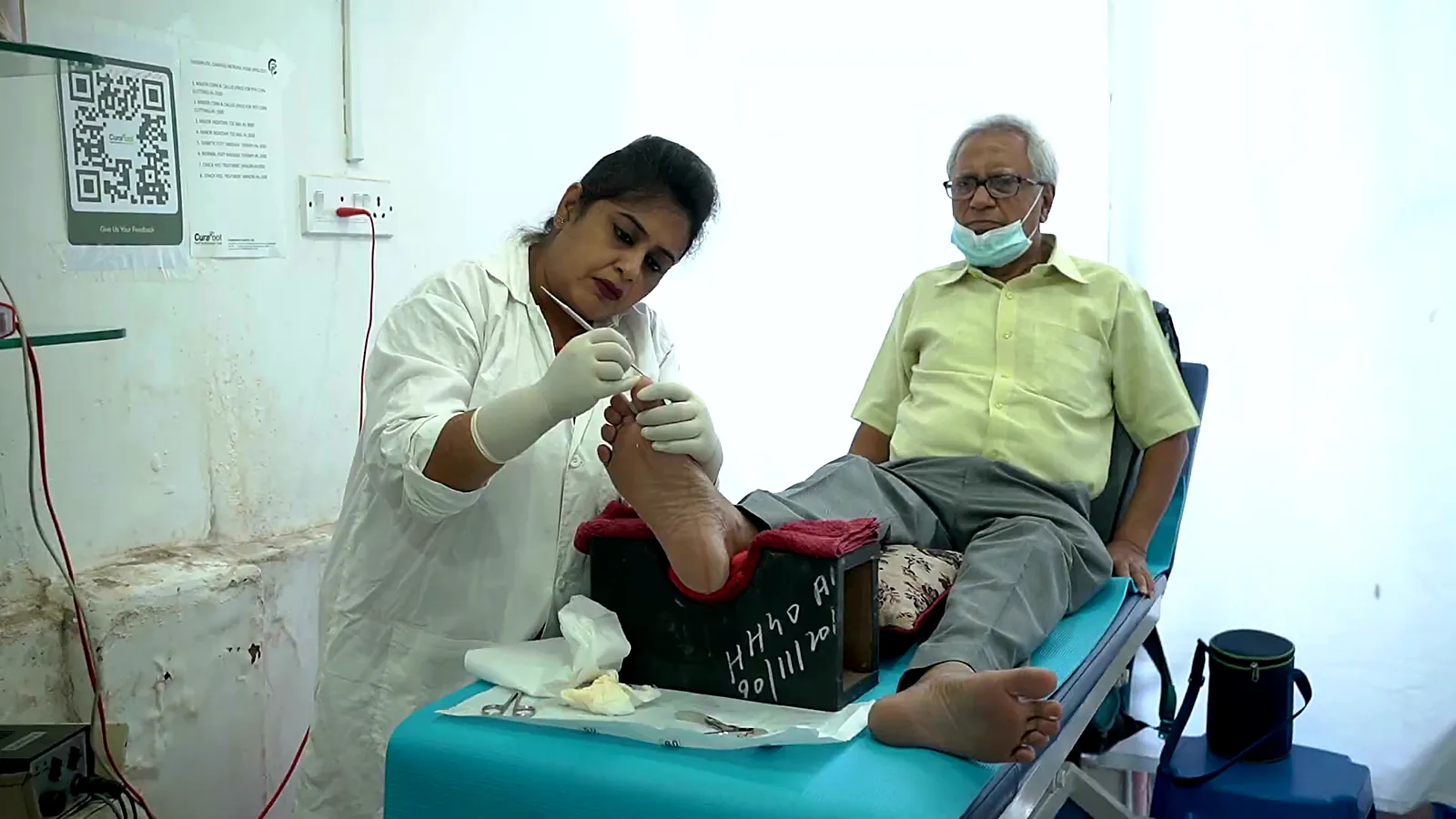
Keep toenails trimmed because long or thick nails can press on neighboring toes and cause open sores. Be sure to trim toenails straight across—cutting into the corners of nail can cause ingrown toenails. Finish by using an emery board to file down any sharp edges.
Choose the Right Footwear
Avoid going barefoot, even in your home, to reduce the risk of injury. Wearing socks and shoes (or slippers at home) gives feet extra protection. Plus, moisture-wicking socks help keep your feet clean and dry.
Before putting your shoes on, check for any sharp objects like small rocks and wear shoes that fit properly without pinching your toes or rubbing against your feet. If your shoes aren’t comfortable, ask your doctor about special therapeutic shoes or inserts that may be right for you.
Get Moving
Exercise is good for poor circulation. It stimulates blood flow in the legs and feet. Walk in sturdy, comfortable shoes that fit comfortably, but don’t walk when you have open sores on your feet.”
Understanding Diabetic Neuropathy
https://diabetes.org/sites/default/files/2024-05/DontLetDiabetesGetOnYourNerves.pdf

Diabetic patients need to be aware of a complication which can have serious consequences if ignored or left untreated. This is Diabetic Neuropathy which damages nerves extensively, throughout the body. If left untreated, this has the potential to lead to infection and/or amputation of the affected area.
Neuropathy can cause tingling, pain (burning or stinging), or weakness in the foot. It can also cause loss of feeling in the foot, so you can injure it and not know it. Poor blood flow or changes in the shape of your feet or toes may also cause problems.
What is the Treatment for Diabetic Foot Ulcers?
The following tips have been quoted with citation from Baylor Scott and White Health
https://www.bswhealth.com/blog/diabetic-foot-ulcers-why-theyre-dangerous
“Treatment for your foot ulcer depends on these factors:
- Assessment of skin changes around the ulcer
- Length, width and depth of ulceration
- Probe-to-bone test
- Condition of wound edges
- Whether the wound exudes pus
- Presence of dead flesh (necrosis)
- Presence of pain
Once your physician assesses your ulceration, he or she may recommend one or more of the following treatments:
- Debridement: your physician will cut away dead tissue and clean out your wound
- Oral or intravenous (IV) antibiotics
- Bandages
o Wet-to-dry
o Calcium alginates
o Growth hormones
o Skin substitutes
o Offloading: readjusting your weight to take the pressure off the bony part of your foot
o Hyperbaric oxygen therapy: a special chamber where you breathe condensed oxygen, helping your wounds heal more quickly
o Revascularization
o Glycemic control
o Amputation”
Curafoot Clinic Treatment Offers All Treatment Options for Diabetic Ulcers – As Well As Custom Orthotics
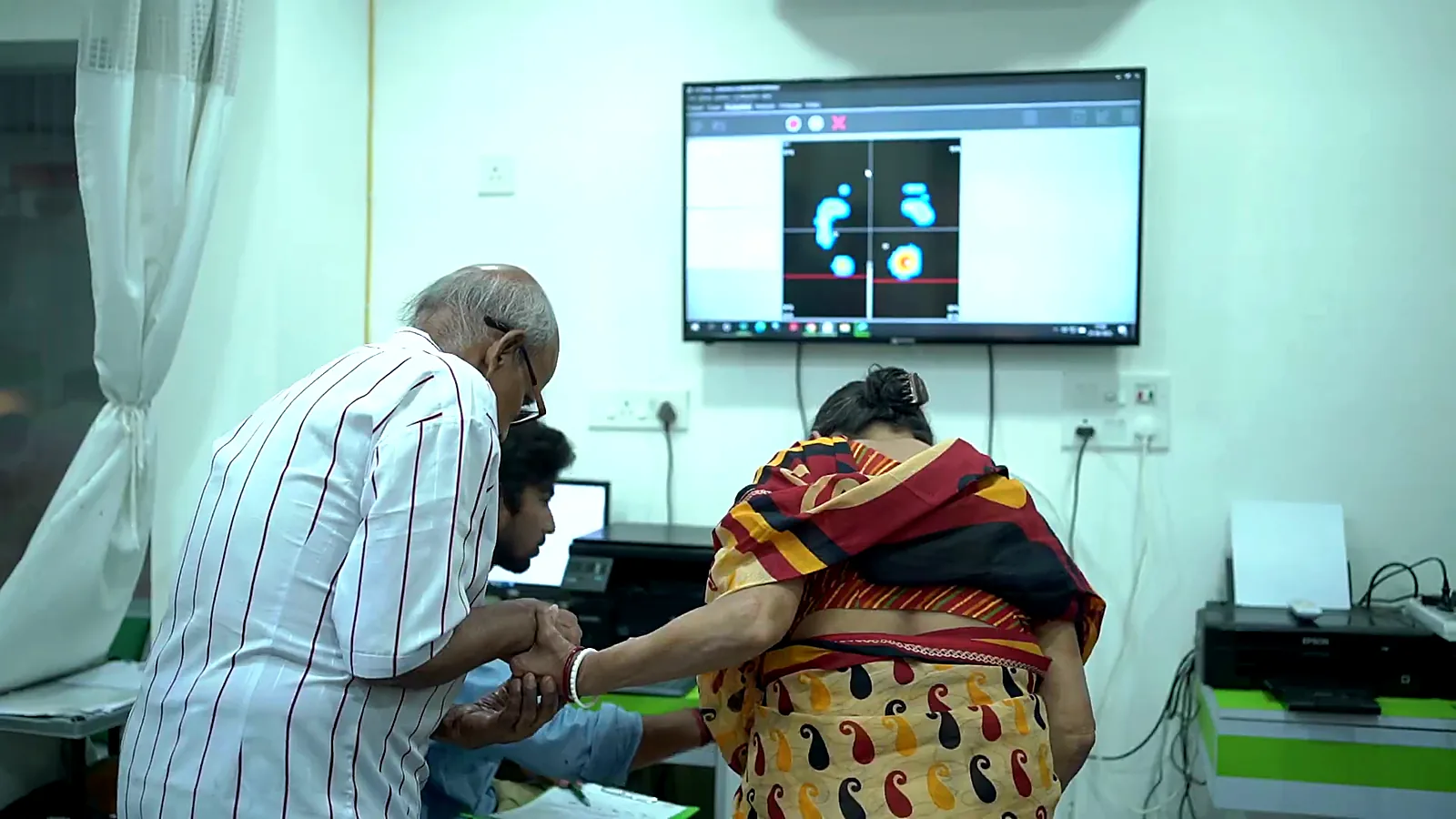
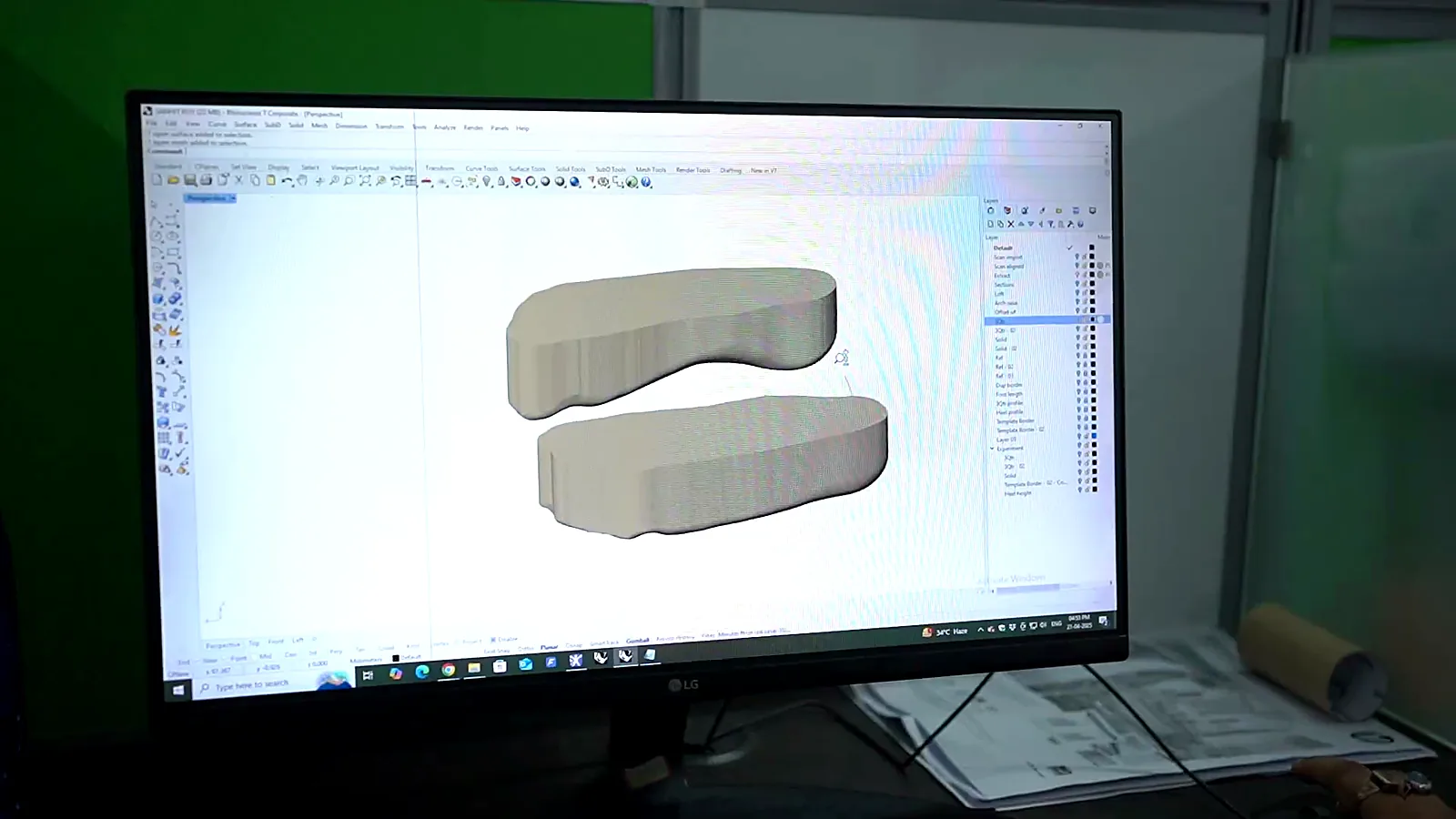
Most importantly, there is the facility of 3-D Foot Scanning to diagnose pressure points in a diabetic patient’s foot. By altering pressures applied to the foot, foot orthoses, the Clinic can offer therapeutic footwear and other orthotic devices to protect at-risk feet in diabetic patients and facilitate healing.
Curafoot Orthotics

Curafoot – India’s No.1 Mobility Clinic
The Curafoot Clinic is situated at Ajoynagar in Kolkata. It offers consultations for numerous Foot and Ankle Problems, along with Custom-fit Orthotics, Podiatry and CuraProsthetics.
Book your appointment today for a Consultation today
Call 062923 00396 * http://www.curafoot.in * support@curafoot.in