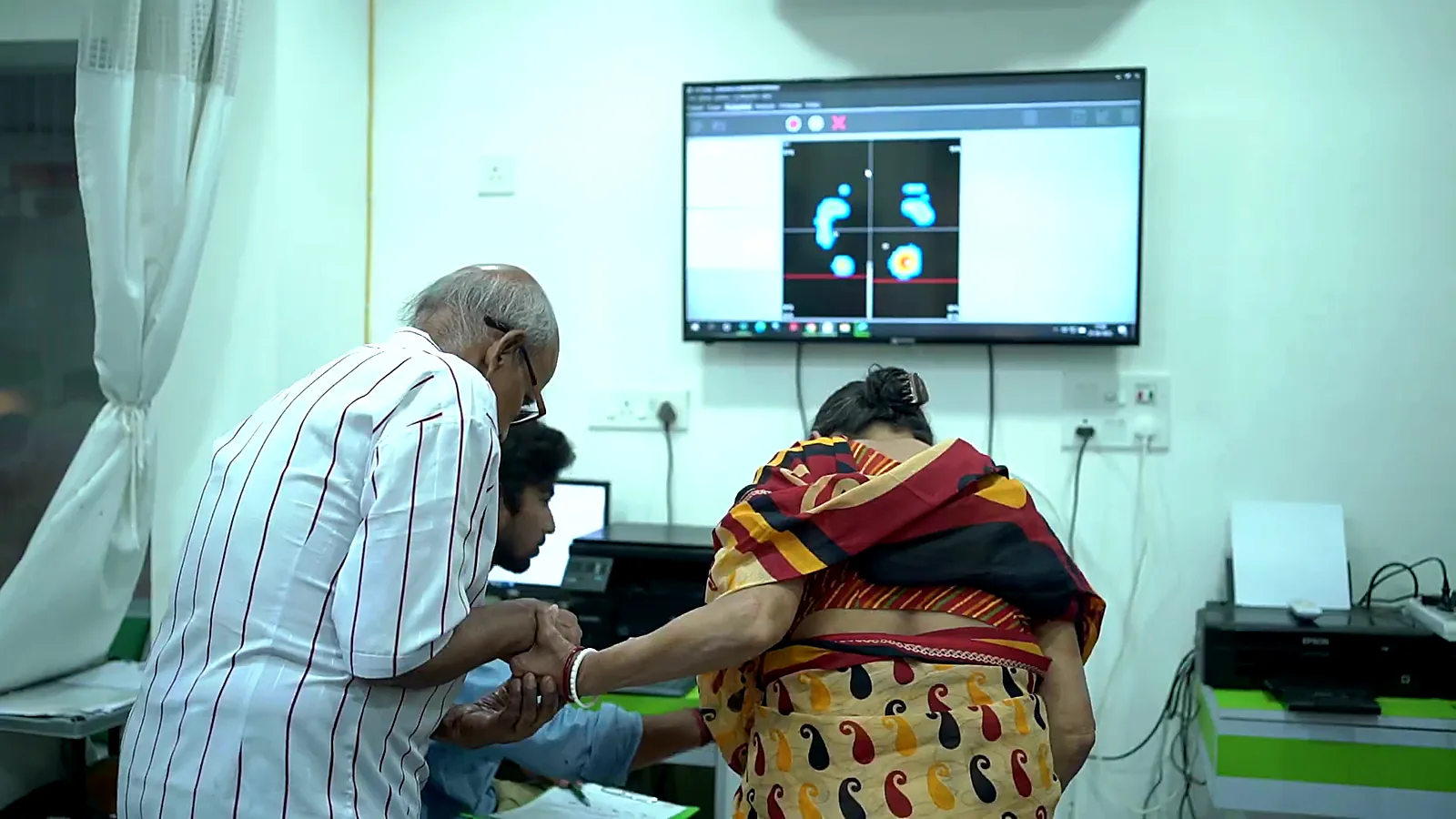
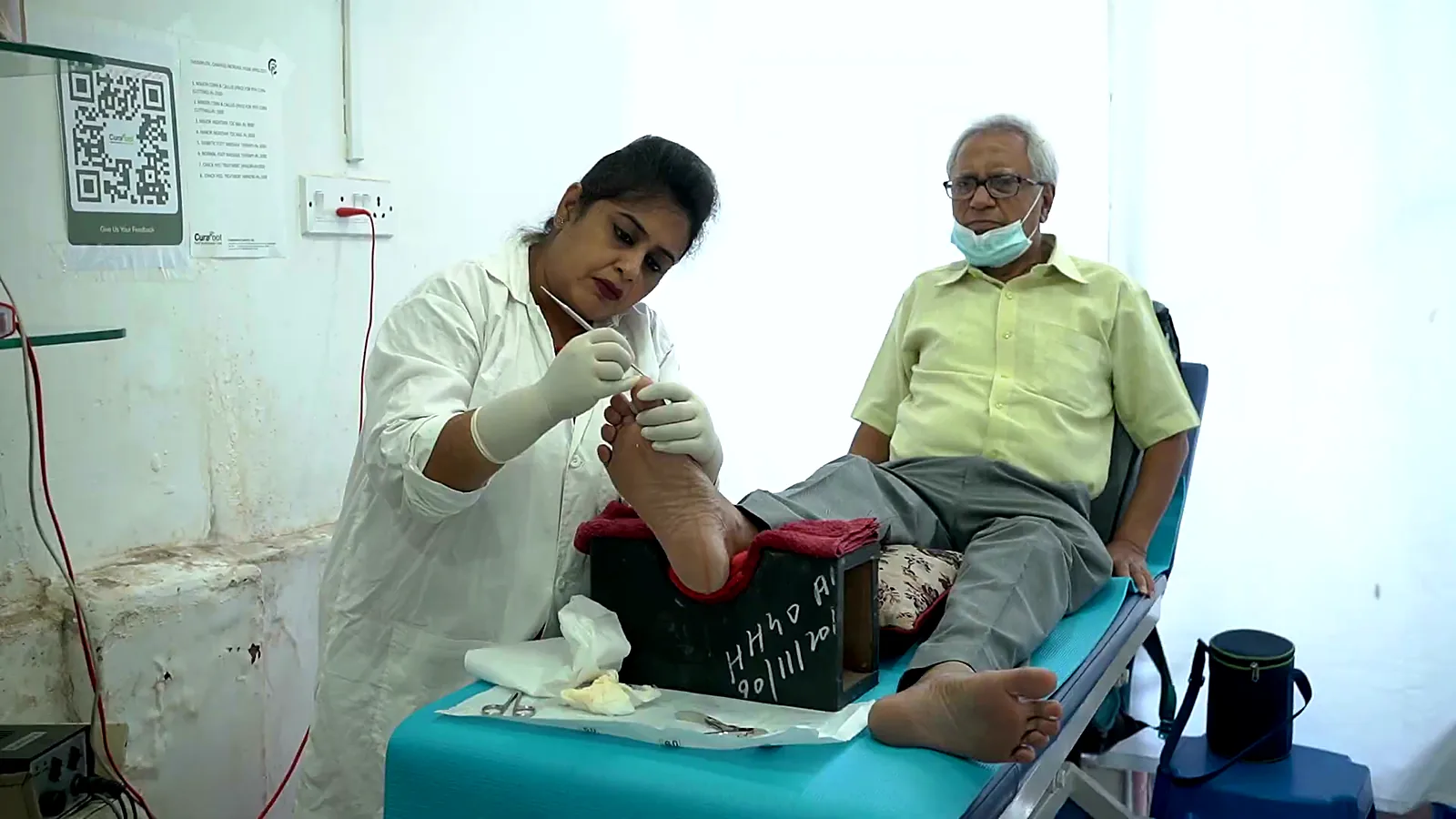
Are you falling victim to common misconceptions about diabetic foot care? It’s time to set the record straight. While diabetic foot ulcers (DFUs) can lead to serious complications, the belief that they automatically result in amputation is false. Approximately 60% of DFUs involve diabetic foot infections, which indeed pose a significant risk for morbidity (Source). However, this does not mean that an amputation is the only solution. With thorough checkups and appropriate precautions, we can effectively manage these conditions. By consulting with a qualified diabetic foot doctor, you can make sure a smoother path to recovery and better overall outcomes.
A yearly foot examination is a vital component of diabetic health screening. Diabetic patients are at risk of creating complications like peripheral neuropathy, that is, nerve damage, and peripheral artery disease, which is compromised blood circulation. Also, they can have diabetic foot ulcers. These issues can increase the risk of foot complications.
By including regular foot examinations in healthcare regimens, doctors can detect early signs of complications, avoid serious complications, and ensure overall foot health. In this article, we provide evidence that shows the necessity of the annual foot assessment of a diabetic patient.
Before diving into the main topic, let’s look at the different types of foot infections affecting diabetic patients. Understanding these conditions is vital for effective management and prevention.
Various Types of Diabetic Foot Infections People May Have
- Cellulitis
- Acute osteomyelitis
- Gangrene
- Chronic osteomyelitis
- Diabetic Foot Ulcer with Infection
- Paronychia
- Deep-skin and soft-tissue infections
To overcome these issues, proper diabetic foot care is essential. But what is an annual diabetic foot check, and why is it important? Let’s now briefly explain it in the next paragraph.
What is an annual diabetic foot check?
Numerous foot health issues are more likely to affect people with diabetes. A diabetic foot exam can assist in identifying problems that, if left untreated, may result in amputation (surgical to remove all or part of your foot) and severe infection.
If your feet’s nerves and blood vessels are harmed by excessive blood glucose (blood sugar), you may eventually develop diabetic foot problems. Diabetic neuropathy is the term for diabetic nerve injury. It may cause tingling or numbness in your feet. Additionally, it may result in a loss of sensation in your feet.
Reasons Behind Annual Foot Assessment Is Essential for Diabetic Patients
- Can prevent the foot ulcer
Damage to nerves can severely reduce sensation, usually leaving people unable to feel minor injuries like cuts, blisters, or sores. If not treated, these seemingly harmless wounds can develop into painful ulcers. Left untreated, ulcers can become infected and potentially result in severe and debilitating complications that will have a tremendous effect on overall health and well-being. With the help of the diabetic foot ulcer treatment in Kolkata, you can get out of this issue.
- It reduces the chances of amputation.
Early detection and active management of foot problems are essential in preventing severe infections that may eventually lead to amputations. Through early intervention, we can minimize the risk of complications and protect mobility, maintaining physical health and improving quality of life.
- You can identify your nerve damage.
Regular checks can reveal early signs of neuropathy, such as faint tingling, chronic numbness, or a slow diminution of sensation in the affected areas. While frequently mild initially, these signs can give essential clues to nerve health and lead to early intervention.
- Can be able to do proper diabetic foot care
Regularly monitoring your foot health significantly increases the likelihood of identifying any underlying issues related to diabetic foot infections. Stay vigilant and proactive in your care routine; you can pinpoint the real causes of potential problems and ensure that you practice effective diabetic foot care. This attentiveness will help you avoid serious complications, safeguarding your well-being and enhancing your quality of life.
These are some reasons you should do an annual foot assessment if you are a diabetic patient. However, one of the significant concerns people faces is how they take care of their diabetic foot most effectively. We provide you with the list so you can easily handle it without any hassle.
Tips For Diabetic Foot Care
- Select proper shoes
Don’t go barefoot to lower your risk of getting hurt, even in your house. Foot protection is increased when shoes and socks are worn or slippers at home. Additionally, moisture-wicking socks keep your feet dry and clean.
Check for sharp things, such as small rocks, before putting on your shoes. Make sure your shoes fit properly so they don’t rub against your feet or pinch your toes. Consult your physician about potential solutions for your discomfort, such as special therapeutic shoes or inserts.
- Moisturization is the primary key.
To avoid dry skin from cracking or itching, use a daily moisturizer. However, avoid moisturizing between your toes, which may promote a fungal infection.
- Wash your feet with mild soap and water.
Start by using your palm to check the water’s temperature. Keep your feet dry. Paint each foot with a towel instead of rubbing hard to dry them. Watch how you dry between your toes.
- Try to trim your toenails.
Because thick or long nails can pressure nearby toes and result in open sores, keep your toenails clipped. Cutting into the corners of toenails can result in ingrown toenails, so make sure you trim them straight across. Finally, file down any sharp edges using an emery board.
Regular foot checks are a part of diabetic management and should be prioritized. By detecting potential problems early, healthcare professionals can assist patients in preventing severe complications, improving their quality of life, and drastically minimizing the risk of amputations. Diabetic patients should also be proactive about their daily foot care and immediately report any issues to their healthcare professional. If you are looking for renowned Podiatric care, then CuraFoot is there to help you out. Don’t hesitate—secure your appointment now for effective pain relief.