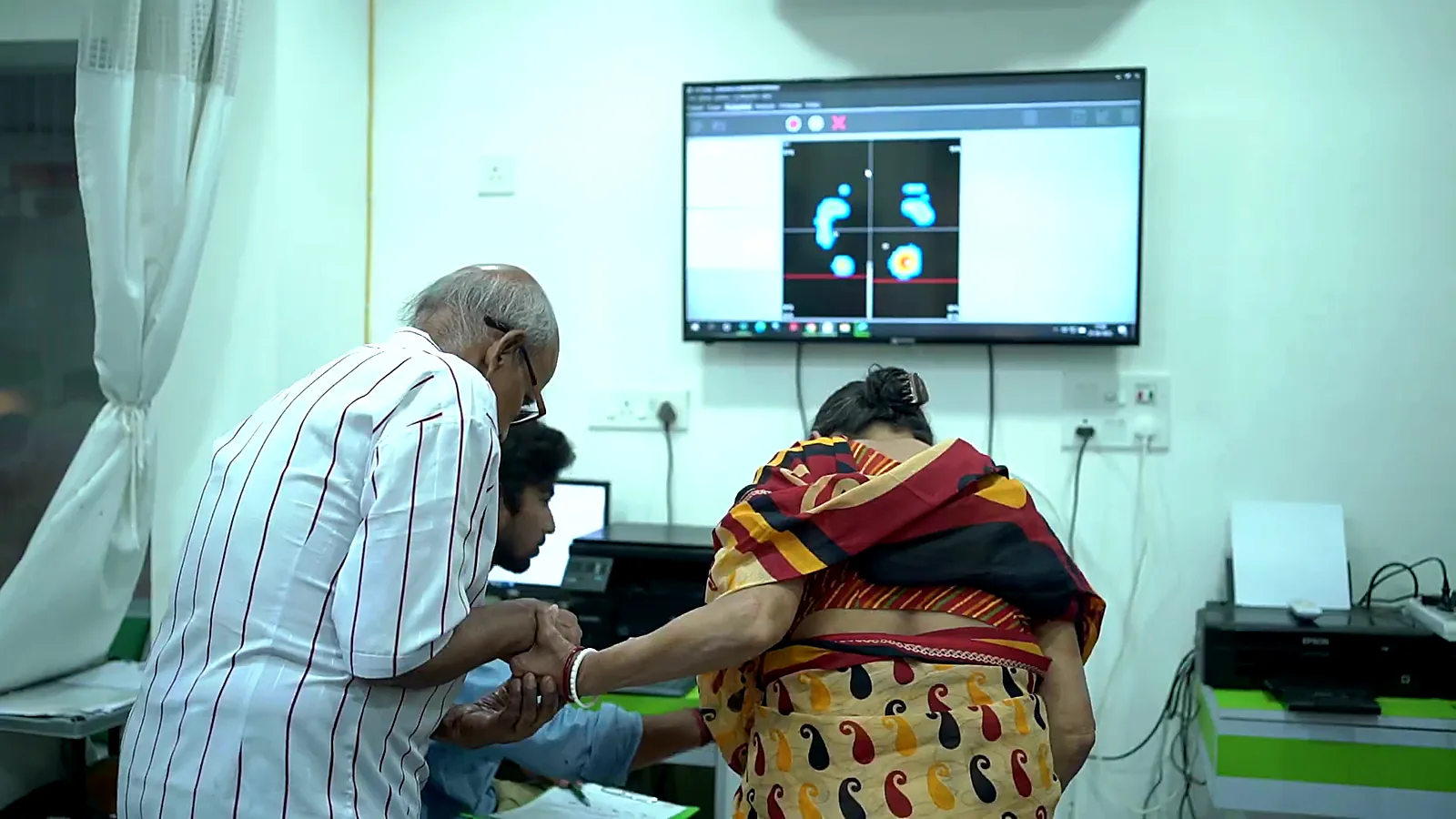
Doctors recommend Pressure Point Analysis using Foot Scanning technology for a wide range of foot problems because it provides a precise, data-driven look into a person’s gait and posture. By visualizing how weight is distributed across the foot, doctors can accurately diagnose conditions, design effective treatments, and prevent future complications.
Key Benefits of Pressure Point Analysis for Foot Problems
For people with diabetes
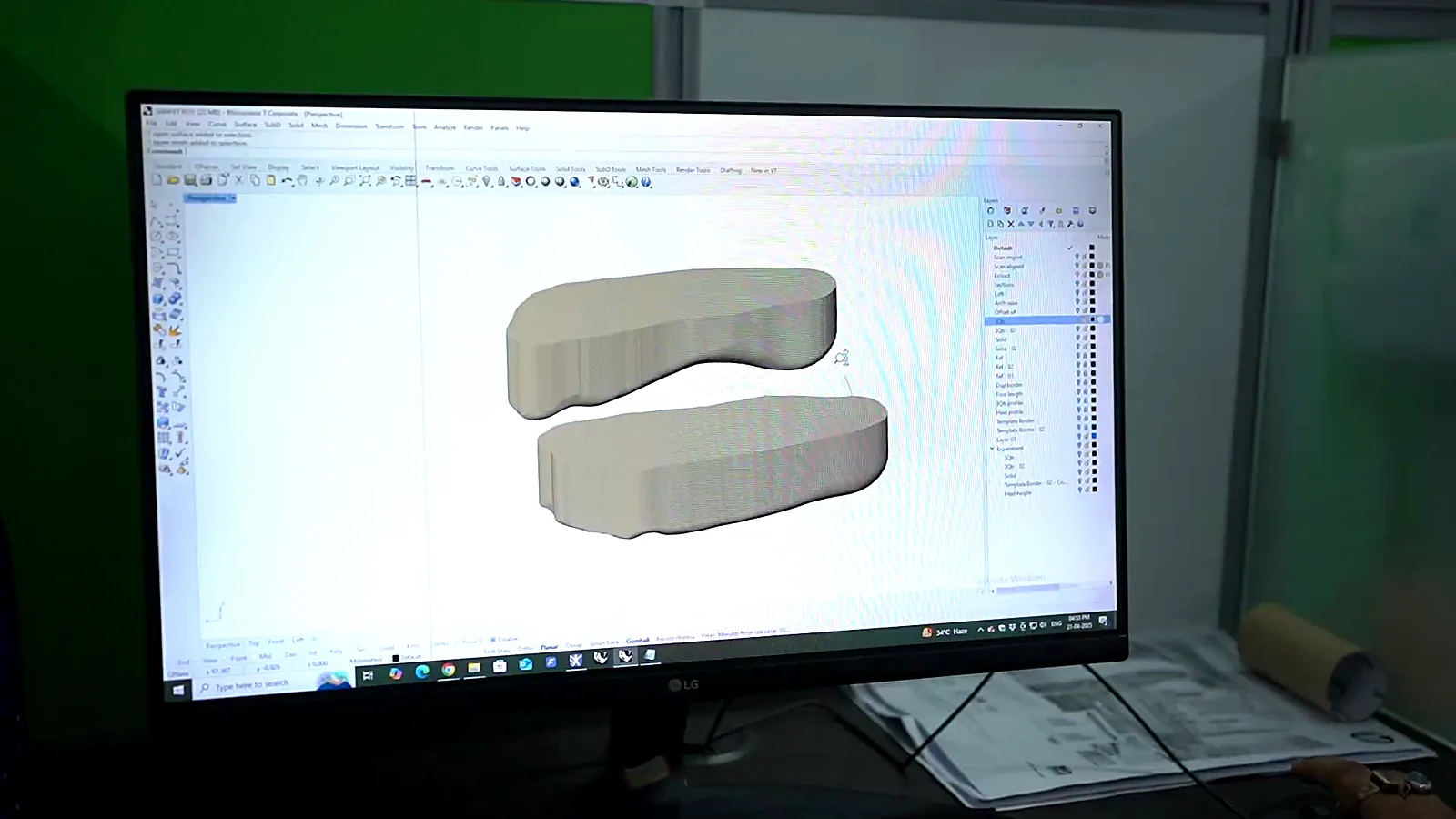
- Preventing ulcers: Diabetic patients often lose sensation in their feet (neuropathy) and have poor circulation, meaning they can’t feel excessive pressure from footwear. Pressure scanning identifies these high-pressure zones, allowing doctors to recommend Offloading Footwear, Custom Insoles, and other interventions before a foot ulcer develops.
- Identifying deformities: Diabetes can also cause foot deformities that lead to abnormal pressure. A pressure scan can highlight these structural issues and guide preventative care.
For orthopedic and musculoskeletal issues
- Gait and posture analysis: For patients with foot, knee, or back pain, a pressure scan helps identify biomechanical issues such as overpronation (foot rolls inward) or supination (foot rolls outward). This information is used to design targeted Physiotherapy and Custom Orthotics.
- Addressing foot deformities: Conditions like flat feet, high arches, bunions, and hammer toes cause uneven weight distribution. Pressure mapping helps to visualize these imbalances and design corrective footwear or orthotics to provide proper support.
- Improving athletic performance: Athletes and runners can use pressure scans to analyze their foot strike patterns and gait. This helps to refine their technique, prevent injuries, and improve overall performance.
How Pressure Point Analysis Helps in Rehabilitation and Recovery
- Post-operative monitoring: After foot or ankle surgery, pressure mapping can monitor a patient’s healing progress and ensure that their weight-bearing load is returning to normal.
- Balance assessment for the elderly: For older adults at risk of falling, pressure evaluation can help guide rehabilitation strategies to improve balance and stability.
Why Foot Scanning is an Important Development in Diagnostics
The following write-up has been cited from https://pmc.ncbi.nlm.nih.gov/articles/PMC3444133/ to briefly explain why foot scanning is an important development in diagnostics
“The development of miniature, lightweight, and energy efficient circuit solutions for healthcare sensor applications is an increasingly important research focus given the rapid technological advances in healthcare monitoring equipment, microfabrication processes and wireless communication.
One area that has attracted considerable attention by researchers in biomedical and sport related applications is the analysis of foot plantar pressure distributions to reveal the interface pressure between the foot plantar surface and the shoe sole. Typical applications are footwear design, sports performance analysis and injury prevention, improvement in balance control, and diagnosing disease.
More recently innovative applications have also been made to human identification, biometricmonitoring posture allocation and rehabilitation support systems. Based on this research it is clear that techniques capable of accurately and efficiently measuring foot pressure are crucial to further developments”.
Healthy Feet are Critical for Overall Health
Feet bear the entire weight of the body. Therefore, they play a critical role in our walking and moving and all daily activities. If feet have a problem due to any number of health issues or injuries or even ageing – this can eventually impact the entire load-bearing skeletal structure, which means the spine and back, as well as the knees. Vascular health is also a major component of foot health, which is why vascular specialists today recommend Pressure Point Analysis of the feet as an Early Stage Diagnostic Procedure for Peripheral Arterial Disease.
Vascular Disorders and Foot Health
Poor circulation in the lower limbs can be a sign of peripheral artery disease (PAD). This is a serious condition that can cause leg cramps, muscle weakness, numbness, tingling, foot and ankle wounds, and difficulty walking. Older individuals and those with a history of cardiovascular problems are particularly at risk.
Vascular Testing Methods for Peripheral Arterial Disease
What are the Symptoms of Peripheral Arterial Disease?
Peripheral arterial disease, also known as (PAD), is a condition where there is reduced blood flow to the extremities, commonly the legs, due to blocked or narrowed arteries. Some common signs and symptoms of PAD include:
- Leg cramps or pain, especially during physical activity
- Numbness or weakness in the legs
- Coldness or discoloration of the leg or foot
- Slow-healing wounds or sores on the legs or feet
What Is Vascular Testing?
Vascular Testing checks for how well blood circulation is in the veins and arteries. It is most often done to determine and treat peripheral artery disease (PAD), stroke, and aneurysms. Podiatrists as well as Foot and Ankle Surgeons utilize Vascular Testing when a patient has symptoms of PAD or if they believe they might. If a patient has Diabetes, a vascular test is recommended to check for poor blood circulation.Most forms of vascular testing are noninvasive. Prior to a vascular test, there is a visual inspection for wounds, discoloration, and other abnormal signs.
Two of the most common vascular tests include:
- Ankle-Brachial Index (ABI) examination: This test measures the blood pressure in your ankles and arms using blood pressure cuffs. By comparing the ratios, a podiatrist can determine if there is reduced blood flow to your legs, indicating possible PAD.
- Doppler examination: A Doppler ultrasound device evaluates blood flow in your arteries and detects any narrowing or blockages. This noninvasive procedure uses sound waves to create images of your blood vessels, providing valuable information to doctors.
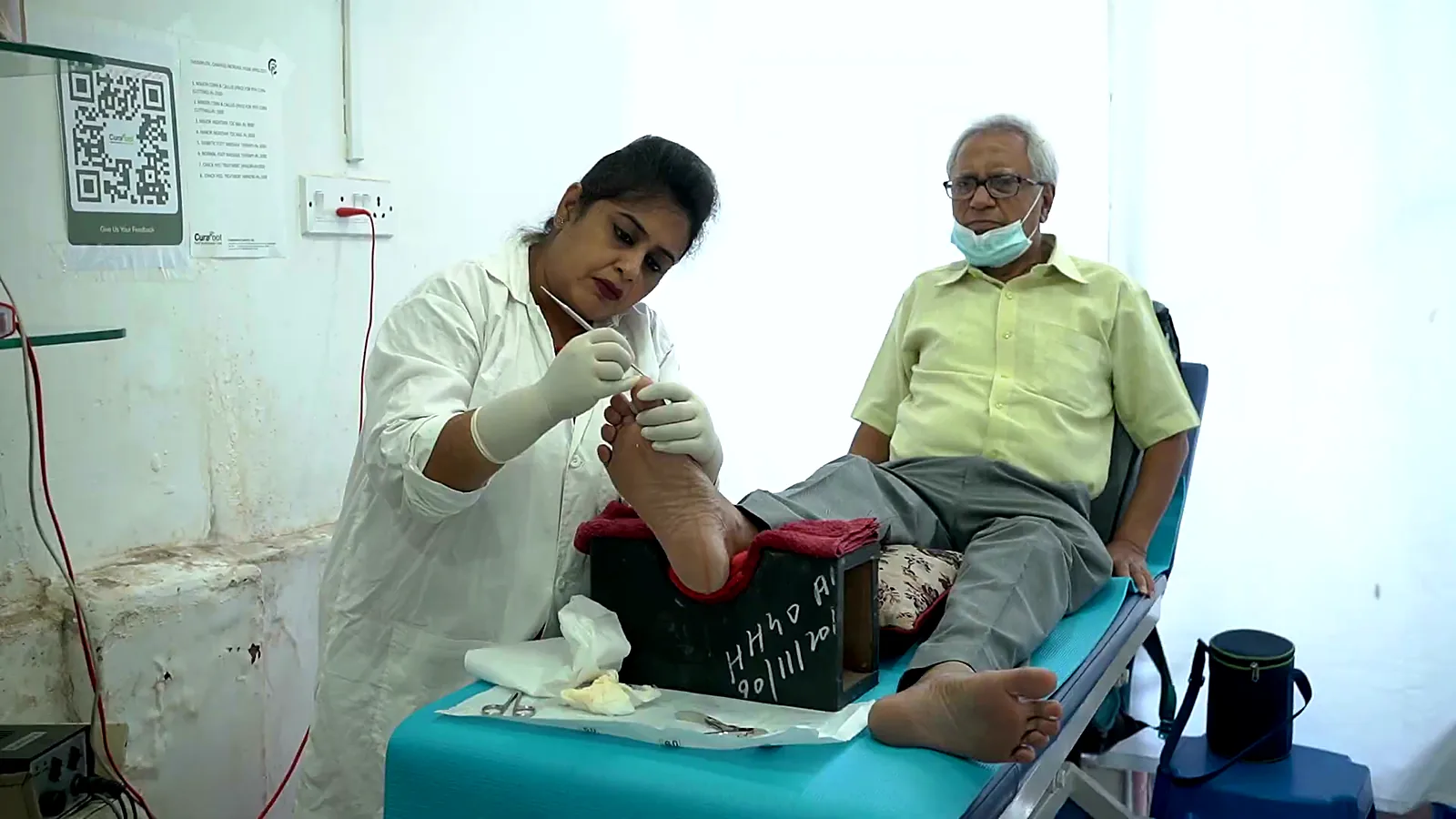
Curafoot Clinic with its combination of Foot Health specialisation through Orthotics, Podiatry and Prosthetics plays a major role in detecting, diagnosing, and helping patients manage Peripheral Arterial Disease. Along with Foot Scanning and Pressure Point Analysis, diagnostic vascular tests are also offered. In addition, the Clinic designs and manufactures offers Custom-Fit Insoles and Offloading Shoes.
Book your Appointment at the Curafoot Clinic Today.
(CTA)