CURAFOOT CLINIC HELPS WITH DIAGNOSIS AND TREATMENT
This article cites the Cleveland Clinic website for much of its content, to assure medical validation and accuracy.
“Autism is a difference in how your child’s brain works that causes them to socialize and behave in unique ways. Early signs of autism include limited eye contact and body language and repetitive motions or speech. Behavioral therapies and other support can help autistic kids (and adults) make the most of their strengths and manage any challenges.”
https://my.clevelandclinic.org/health/articles/autis
Many children with Autism or Autism Spectrum Disorder as it is clinically known (ASD) are likely to experience foot conditions due to sensory issues, low muscle tone (hypotonia), and motor coordination delays. Common issues include Toe Walking and Flat Feet as well as an unbalanced and awkward gait, often leading to pain, poor posture, and stability issues.
Why Toe Walking happens more frequently in children with ASD

“One large study found that 9% of children on the spectrum were toe walkers. The same study found that less than 0.5% of children without an autism diagnosis were toe walkers.
- The causes for this increased rate are unclear because there’s no direct link between autism and toe walking. It may be that tightened heel muscles restrict the range of movement in your child’s ankles.
- Toe walking with autism may also be sensory-related. Many children with autism have a dysfunctional vestibular system. The vestibular system is responsible for providing your brain with feedback about motion, position and spatial orientation. It may be responsible for toe walking.
- Scientists need to do more research to understand how sensory processing may cause toe walking in children with autism”.
https://my.clevelandclinic.org/health/diseases/21017-toe-walking
How is Toe Walking diagnosed?
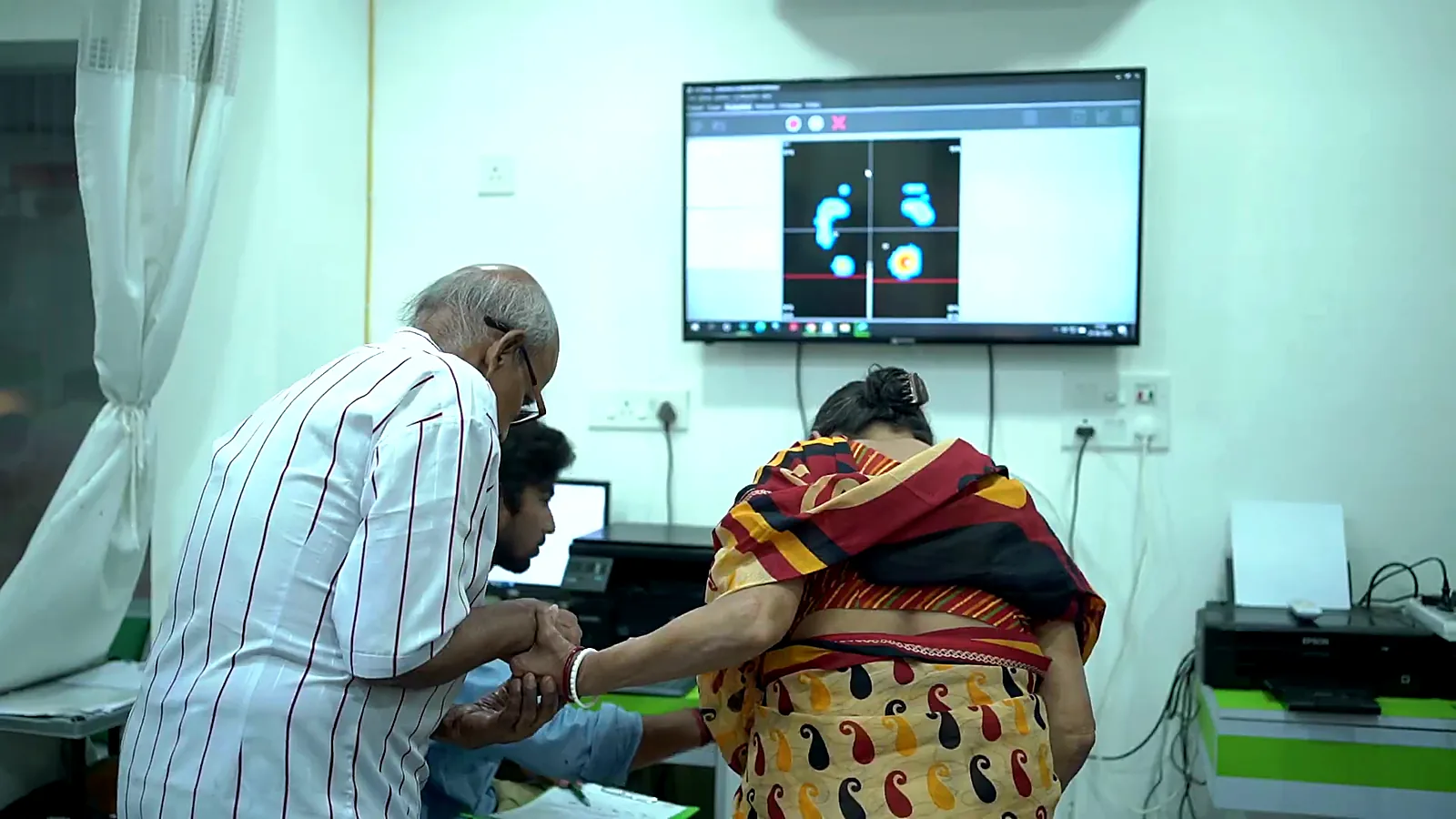
“Your child’s healthcare provider will talk to you about your child’s medical history and perform a physical examination. As part of the exam, your child’s provider will observe how your child walks. They’ll look for any issues with your child’s feet or legs. They’ll also check for any limitations with your child’s range of motion.
Your child’s provider may perform neurological tests to see if your child has a problem with their nervous system. These tests may include:
- Checking your child’s reflexes
- Measuring their ability to feel sensations in their arms or legs
- Testing their muscle strength
Management and Treatment
How do you stop toe walking?

Medical Professional Adjusting Ankle Orthosis Brace. Doctor carefully correcting the fit of a
orthopedic
ankle foot orthosis (AFO) for a patient in a hospital bed. Focused on clinical rehabilitation
Treatment to stop toe walking depends on various factors, including:
- Your child’s age
- How severe your child’s toe walking is
- The underlying cause of the condition
Your child’s healthcare provider will likely recommend nonsurgical treatments first, including:
- Physical therapy: Your child may work with a physical therapist to help stretch their calf and foot muscles. This can help release tension and increase their range of motion. Traditional physical therapy may include serial casting. With this approach, your child wears a series of walking casts over several weeks to stretch and lengthen their calf muscles and tendons.
- Ankle-foot orthotics (leg braces): Your child may wear a plastic leg brace that keeps their foot at a 90-degree angle to stretch and lengthen their calf muscles and tendons while they walk throughout the day. This would be coordinated with a physical therapist and an orthotist (a healthcare provider that specializes in making splints and braces).
- Observation: Your child’s provider may recommend a “wait-and-see” approach to see if the condition improves on its own. They would use this approach for no more than six months.
- Botulinum A toxin (Botox®): Your child may receive Botox injections to weaken their calf muscles and make them easier to stretch.
If your child is older than 5, their healthcare provider may recommend surgery to loosen and lengthen their calf muscles and Achilles tendons. This surgery will help improve their range of motion and foot and ankle functioning.
Vestibular-sensory therapy may also help your child. During this therapy, your child may see an occupational or a physical therapist to stimulate their vestibular system.”
https://my.clevelandclinic.org/health/diseases/21017-toe-walking
How Curafoot Clinic helps treat Toe Walking
Dr. Kushal Nag, Consulting Foot and Ankle Surgeon at Curafoot Clinic, Kolkata says:
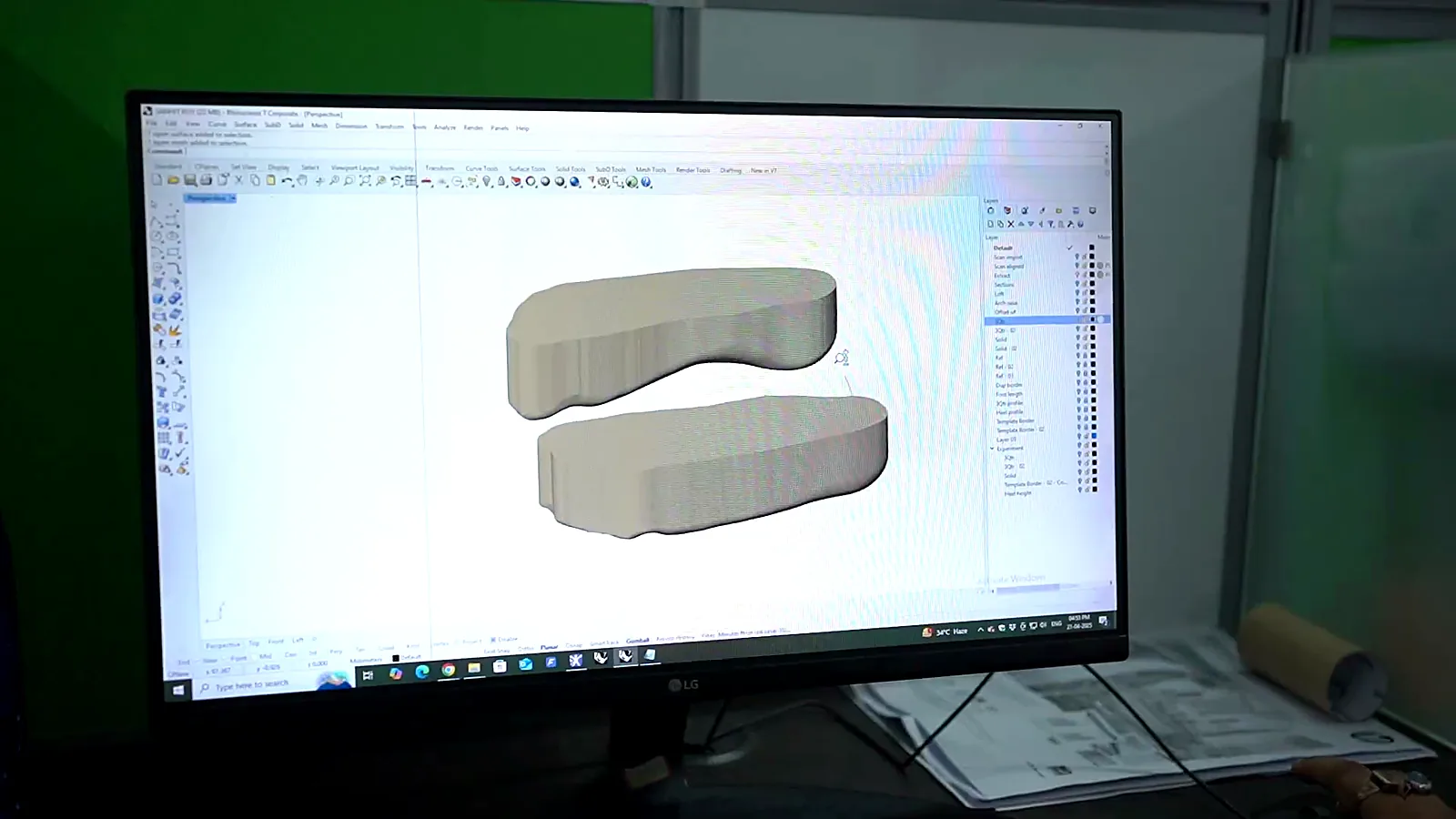
“I always recommend taking action as early as possible and work with the referring pediatrician for a coordinated approach. Most children will need a personalised treatment plan to suit their Toe Walking gait, age, general physical condition, musculature and nervous condition and even the degree of ASD. At a conservative level, customised fitted braces will be recommended for wearing at night and this shows good results. They stretch the calf and tendon and with regular use, may cure the condition completely. When this does not work, we go in for Achilles Tendon Lengthening Surgery which has excellent results – enabling most children to stop Toe Walking, stand with straight posture and flat heels.”
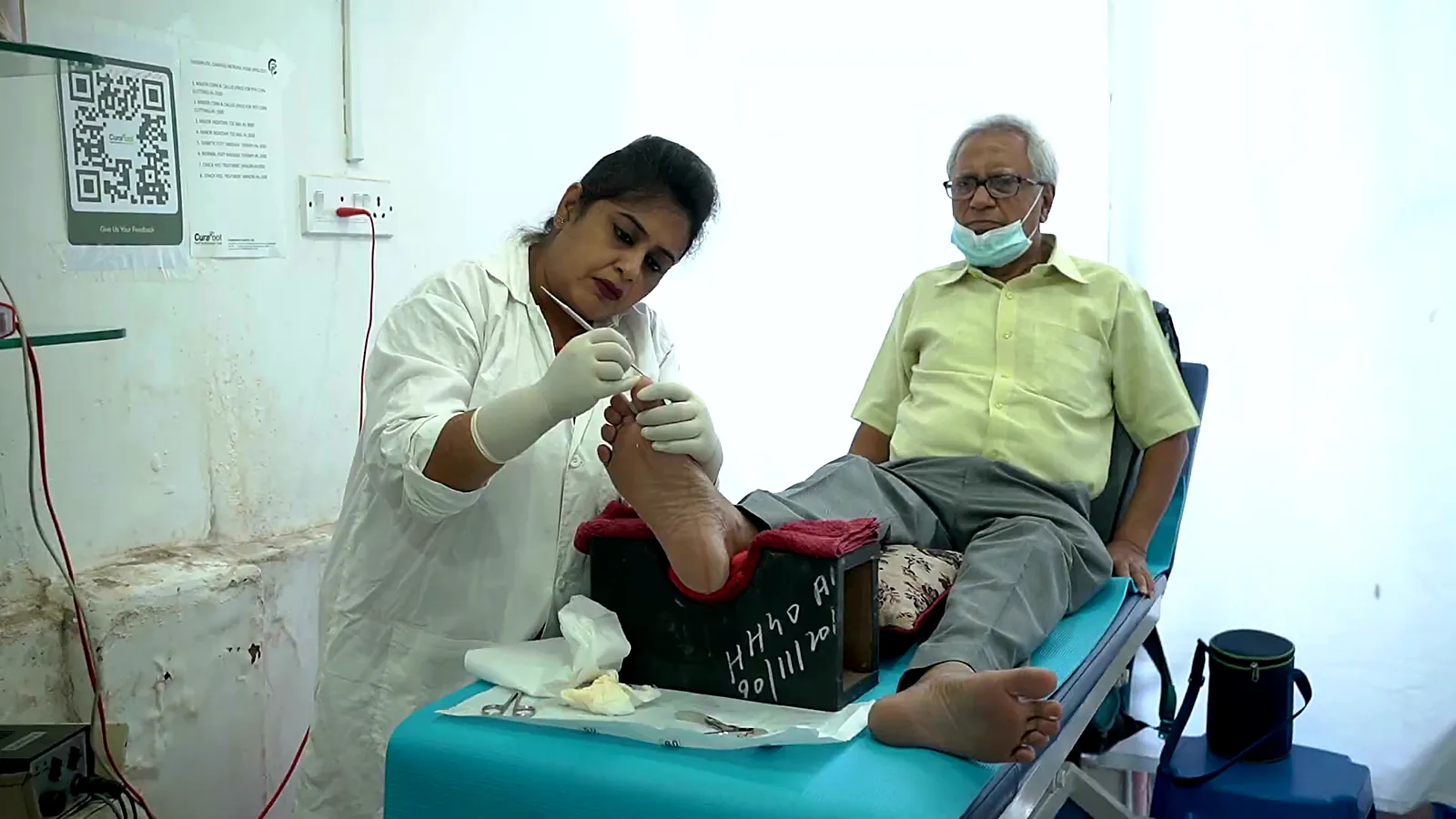
Curafoot Clinic offers Children with Foot Disorders – Customised Splints and Braces, Offloading Shoes, Insoles and a full range of Orthotic Shoes and Footwear.
Call 062923 00396 * http://www.curafoot.in * support@curafoot.in