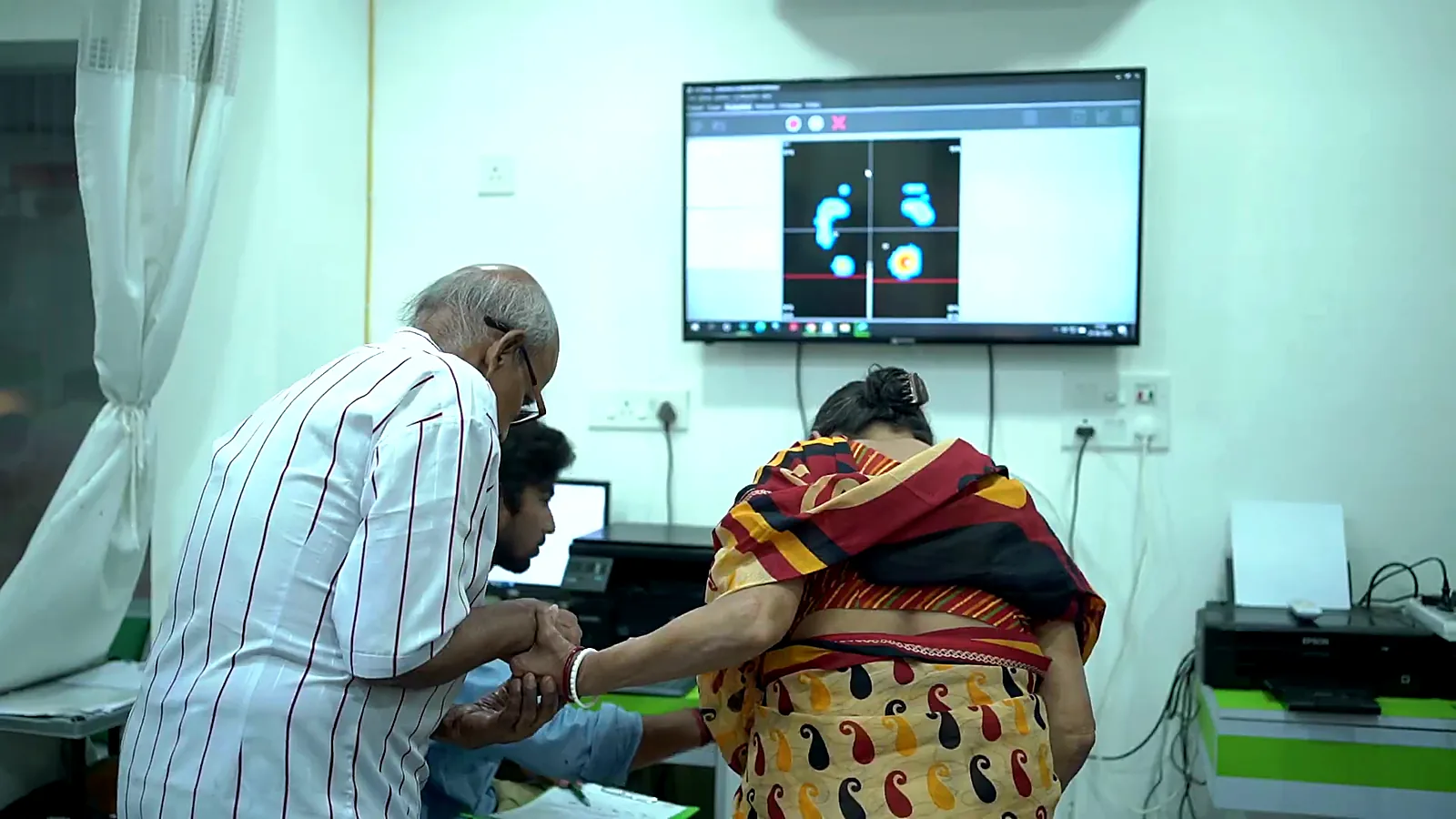
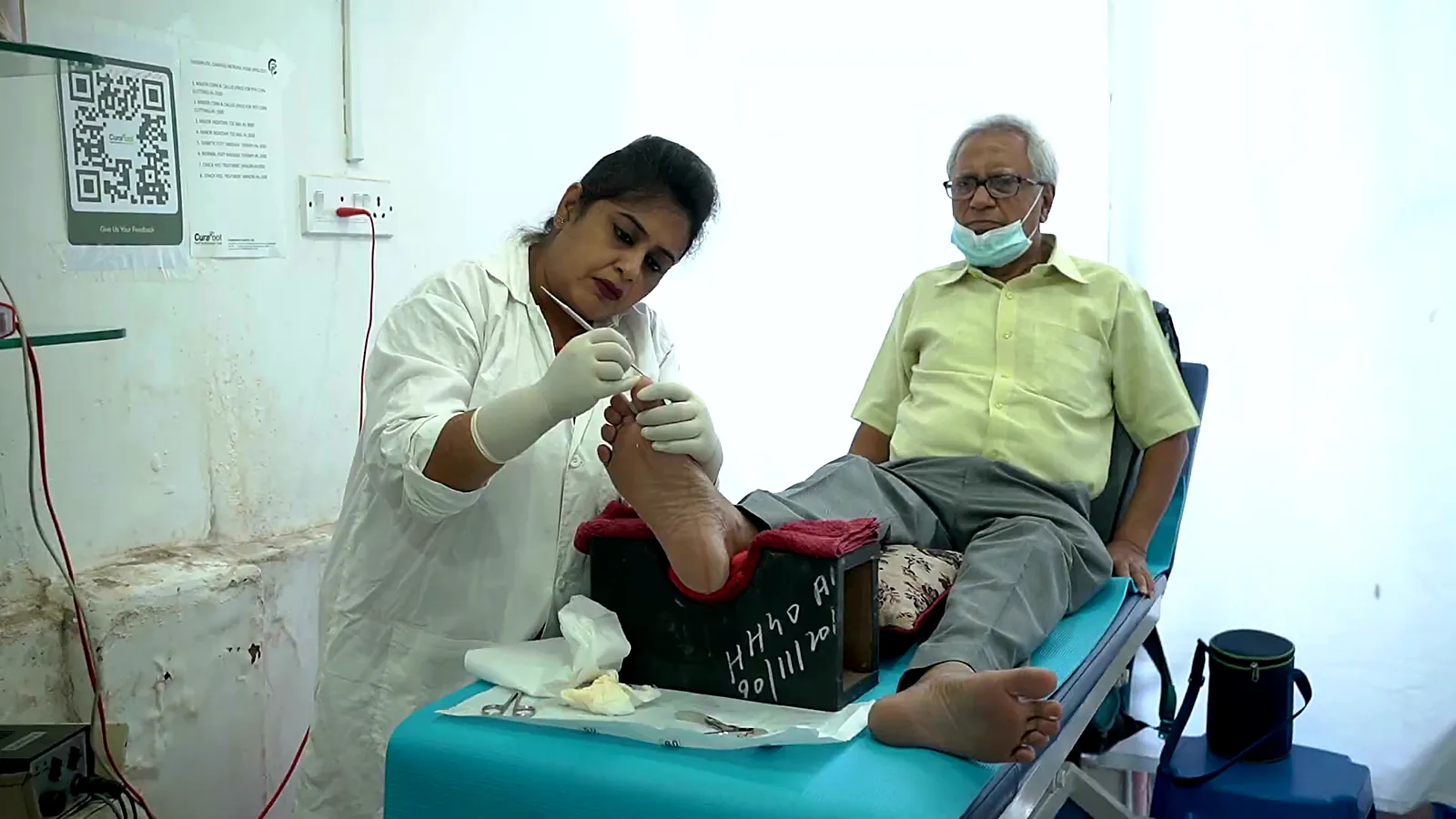
Prosthetics have been around for centuries, but it wasn’t until the 20th century that we began to see major advancements in the industry. Today, technology is transforming the field of prosthetics at an incredible pace, making it possible for people with amputations to live more active and fulfilling lives. Here are just a few of the ways that technology is changing the industry.
3D Printing:
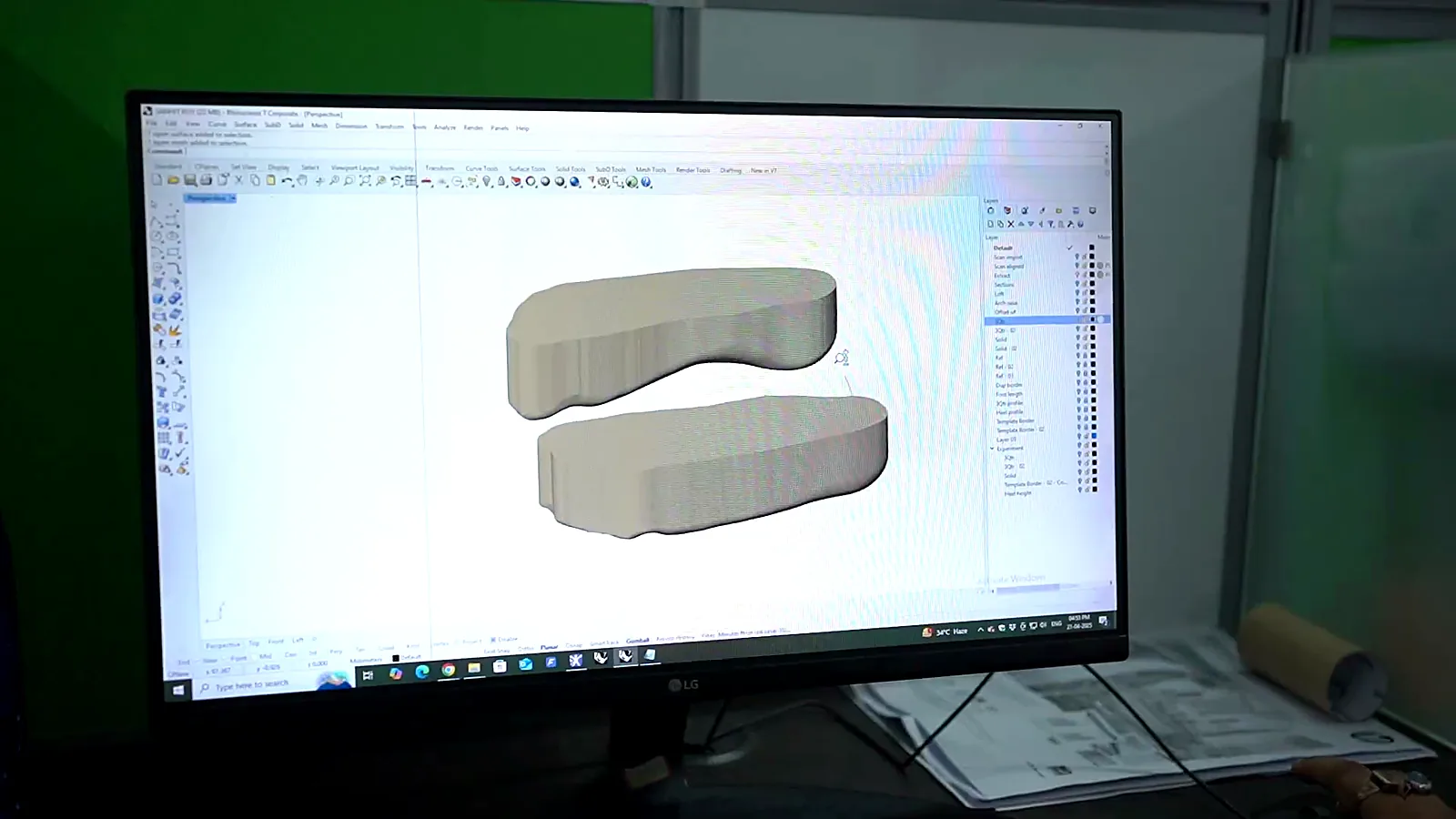
One of the most exciting advancements in prosthetics is the use of 3D printing. This technology allows prosthetics to create custom prosthetics that fit the patient’s unique anatomy perfectly. It also allows for quicker and more affordable production of prosthetics, making them more accessible to people around the world.
Myoelectric Prosthetics:
Myoelectric prosthetics use sensors that pick up electrical signals generated by muscle movements to control the prosthetic limb. This means that the prosthetic can be controlled by the patient’s muscle movements, making it much more intuitive and natural to use.
Neural Control:
Recent advancements in neural control technology have made it possible for people with amputations to control their prosthetic limbs using their thoughts. This is done through a process called brain-computer interface (BCI), which involves placing electrodes on the patient’s scalp to pick up brain signals that are then translated into movement commands for the prosthetic limb.
Advanced Materials:
Advancements in materials science have led to the development of new materials that are lighter, stronger, and more durable than ever before. This means that prosthetic limbs can be made to be more comfortable and functional, while also being more resistant to wear and tear.
Advanced Sensors:
Sensors are a key component of modern prosthetics, allowing them to detect changes in the environment and respond accordingly. For example, some prosthetics use sensors that detect changes in pressure to adjust the prosthetic grip strength, while others use sensors that detect temperature changes to regulate the prosthetic limbs heat output.
Artificial Intelligence:
Artificial intelligence (AI) is becoming increasingly important in the field of prosthetics. AI can be used to analyze data collected by prosthetic sensors to optimize the prosthetic’s performance and adjust it to the patient’s unique needs. AI can also be used to improve prosthetic control, making it more intuitive and natural for patients to use.
Augmented Reality:
Augmented reality (AR) is being used in prosthetics to help patients visualize the movements of their prosthetic limbs. This can be particularly helpful for patients who are learning to use a new prosthetic or who are trying to refine their movement patterns.
Technology is transforming the field of prosthetics at an incredible pace, making it possible for people with amputations to live more active and fulfilling lives. From 3D printing to neural control, advanced sensors, artificial intelligence, and augmented reality, countless exciting advancement are happening in the industry.
CuraFoot offers advanced prosthetic treatment for individuals in need of a more functional and comfortable solution for foot-related injuries or conditions. With a team of highly skilled and experienced podiatrists, CuraFoot specializes in providing custom-designed prosthetics using state-of-the-art technology to ensure the best possible fit and functionality. If you’re looking for advanced prosthetic treatment, CuraFoot is the ideal clinic to visit for exceptional care and personalized solutions tailored to your specific needs.
For more information call us at 062923 00396 or book an appointment now and get your foot checked today for better foot health.