Consult Curafoot Clinic to Get Medical Advice and Treatment Options
Call 062923 00396 www.curafoot.in support@curafoot.in
Does Pain in Your Heel Automatically Mean Heel Spurs?
In many cases, the sudden pain and inflammation which make it difficult to put your feet down in the morning and engage in daily activities like walking, running or just going to work do indicate the formation of heel spurs.But, while ‘heel spurs’ have become a common term to explain heel pain, this isn’t technically accurate, and for many patients with pain at the bottom of their heel, the true cause of pain may even be ‘plantar fasciitis”.
What Exactly are Heel Spurs and How do They Differ from Plantar Fasciitis?
“A heel spur, otherwise known as an osteophyte, is a bony outgrowth that starts at the heel bone. Looking at an x-ray, the spur often looks like a small spike or hook which faces the inside of the arch – an appearance that leaves many automatically assuming that they must be like a painful splinter. What an x-ray doesn’t show is that the spur sits in line with the tissue fibers that it is embedded in, as opposed to piercing them, which is why most people don’t notice their heel spur”.
https://www.thefeetpeople.com.au/symptoms-we-treat/heel-spurs


Heel Spurs develop from long-term stress and are visible on X-rays, with non-surgical treatments focusing on symptom relief rather than removing the permanent spur.
What to Look for in Heel Spurs?
- Location: Can be under the sole (plantar) or at the back of the heel (dorsal) where the Achilles tendon attaches.
- Cause: Repetitive stress, inflammation, and calcium buildup where ligaments attach to the heel bone.
Connection to Plantar Fasciitis
While common, the heel spur itself isn’t always the cause of pain; however, the associated inflammation (plantar fasciitis) is painful and clinicians usually focus their treatment on that. The treatment is generallynon-surgical, involving rest, supportive shoes, orthotics, physical therapy, and anti-inflammatory measures to manage pain.
Heel Spur Symptoms
Most heel spurs are asymptomatic and patients may actually be checking with their doctor for plantar fasciitis symptoms. But, the pain occurs because heel spurs can aggravate the tissue that they’re associated with, which in this case is the plantar fascia, producing symptoms including:
- Pain or tenderness in the heel of the affected foot which can feel sharp, dull or may throb
- Inflammation at the bottom of the heel, or the location where the spur is present
- Pain when walking or exercising without supportive shoes, or in bare feet
- The feeling of a small, bony bump on the bottom or back of your heel
- Numbness, burning and tingling if the nerves are impacted by the spur
What Causes A Heel Spur?
“Heel spurs have been shown to develop in response to damage and strain to the soft tissues that insert at the bottom of the heel – in this case, the insertional fibers of the plantar fascia tissue. When the plantar fascia, which connects to the bottom of the heel bone, repetitively pulls on and places stress on the heel during movement, this creates micro-trauma. The body responds by trying to repair the area by creating more bone – this becomes the calcified protrusions that we know as heel spurs”.
https://www.thefeetpeople.com.au/symptoms-we-treat/heel-spurs
“Anything that exacerbates the pulling and stress on the heel bone from the plantar fascia will contribute to the development of a heel spur, including:
- Overusing the fascia, often from overtraining
- Wearing unsupportive or worn-down shoes, which places more stress on the fascia
- Muscle imbalances and dysfunction, which can lead to overuse
- Rigid feet with poor mobility and flexibility that are inadequate to absorb shock
- Excessive pronation of the ankle and feet, as well as other biomechanical issues
- Having a leg length difference
- Bowed or knocked knees
- Abnormal walking and running patterns that place extra stress on the heel bone and ligaments”
https://www.thefeetpeople.com.au/symptoms-we-treat/heel-spurs
Curafoot Clinic Advice for Treating Heel Spurs
This may include:
- Custom prescribed foot orthotics may be used to offload the damaged plantar fascia, and reduce the stress on the bone in the area of the spur
- ASA Laser, which radiates specific wavelengths of light to reduce inflammation, support faster cell repair, and offer faster pain relief
- A strengthening and stretching program focusing on the joints and muscles in your feet and ankles
- Adapting and modifying your training program to reduce the strain at the back of the heel
- Gait retraining to address any biomechanical issues that could be contributing to your pain
- Switching to supportive footwear with cushioning soles
- Shockwave therapy to accelerate and facilitate the healing process
- Dry needlingof surrounding soft tissues structures to release tension in the muscles, by targeting trigger points
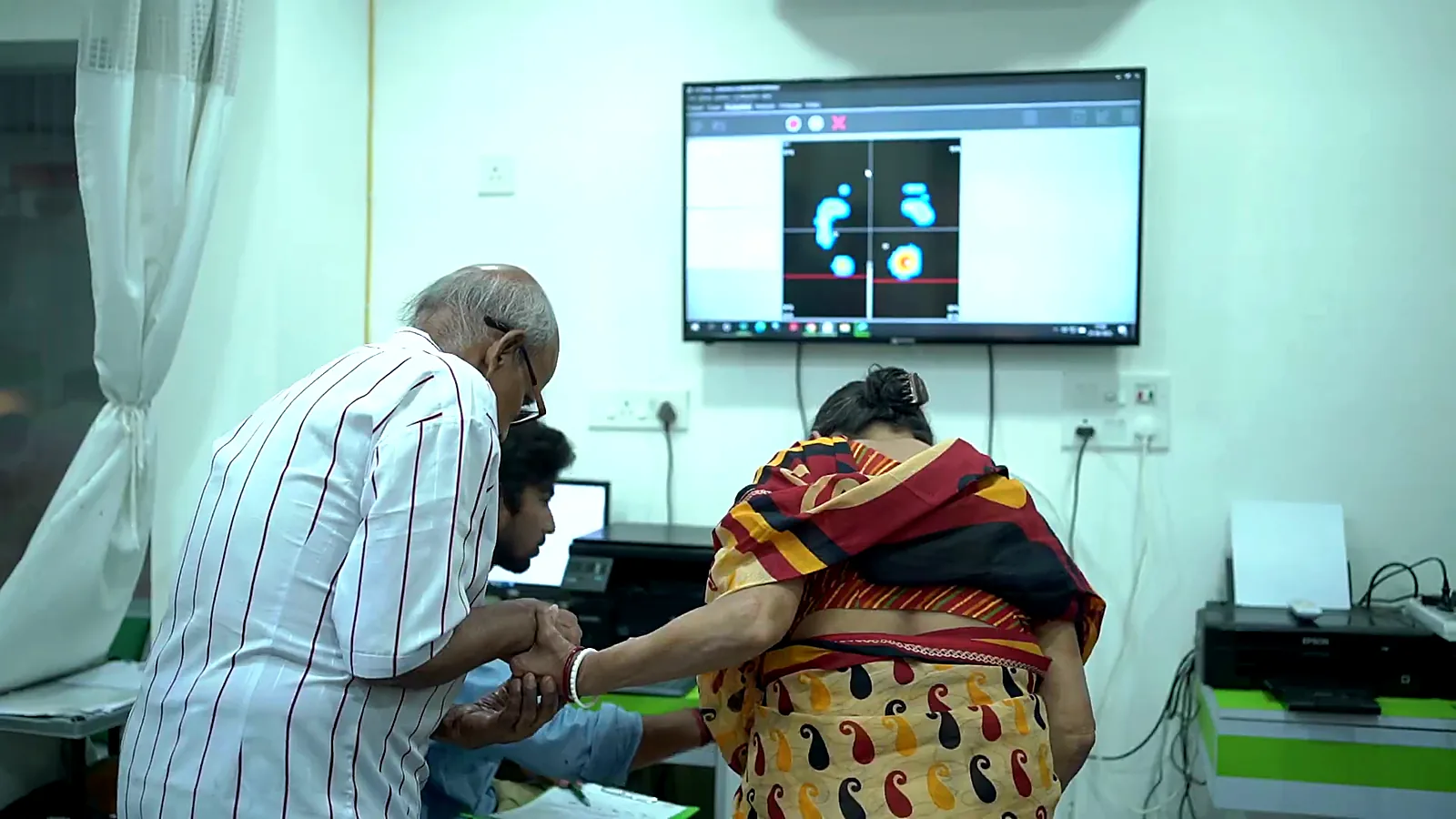
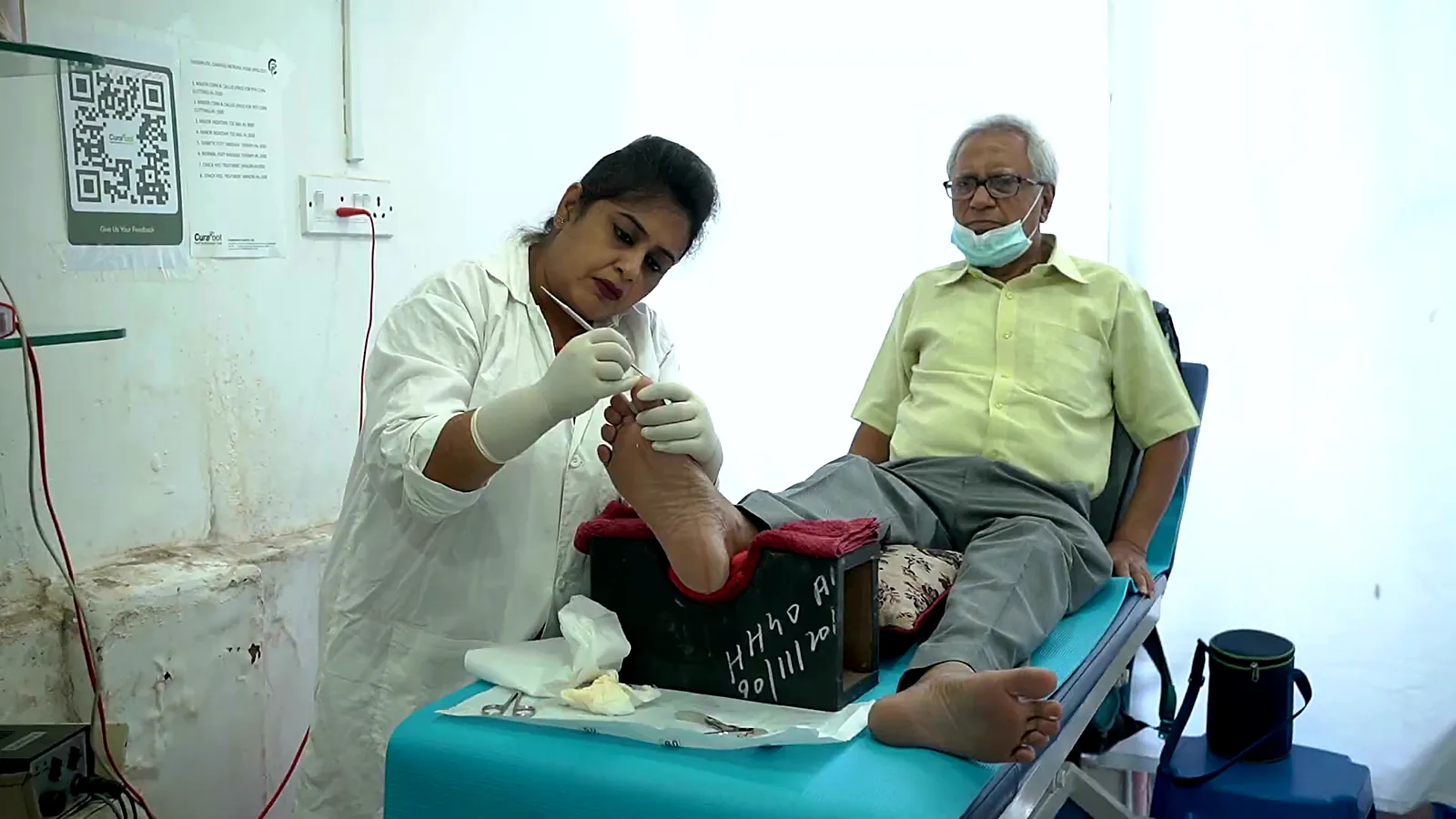
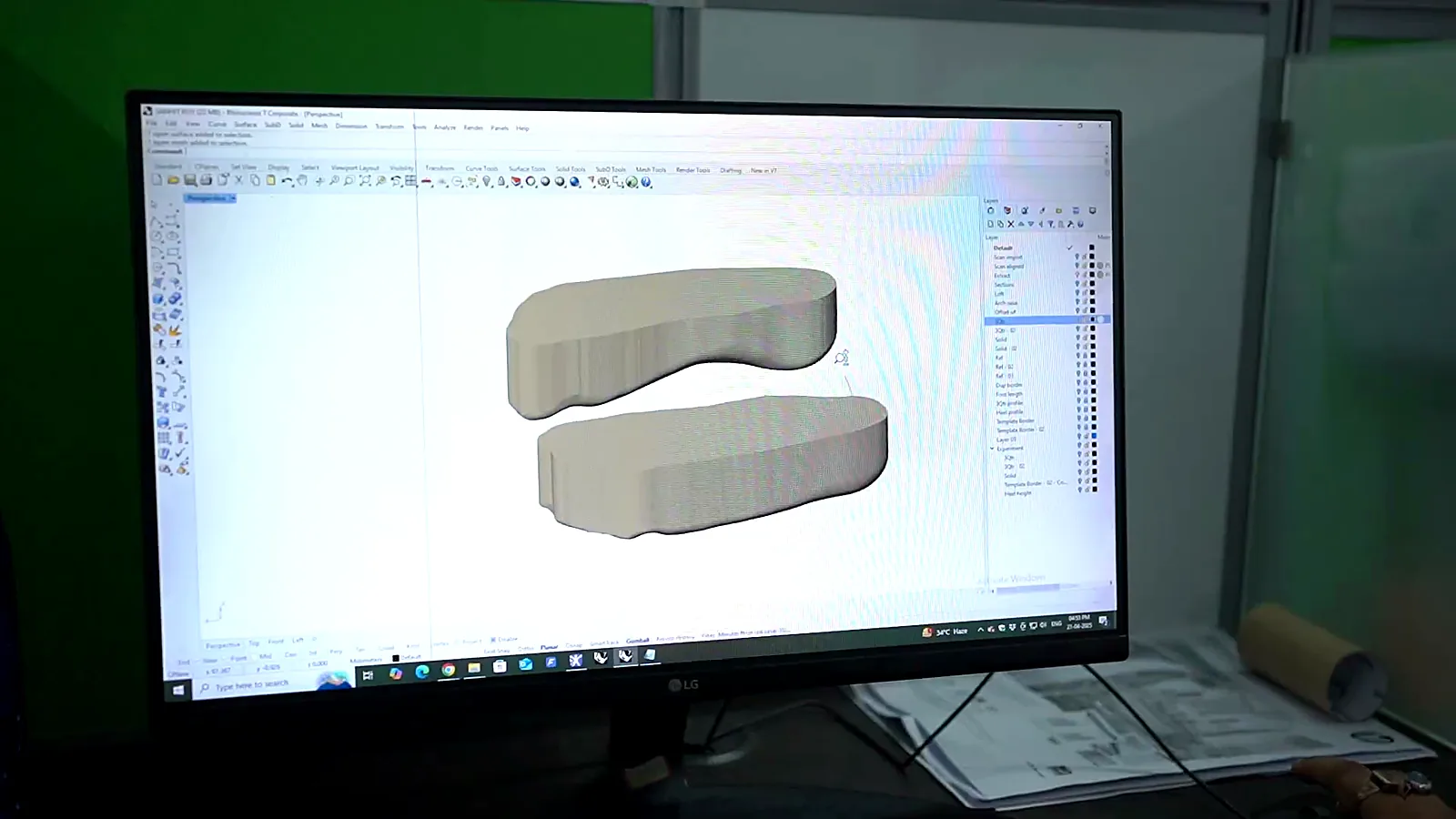
Curafoot Clinic with its combination of Foot Health specialization through Orthotics, Podiatry and Prosthetics plays a major role in detecting, diagnosing, and helping patients manage different Foot Conditions. The Clinic designs and manufactures Custom-Fit Insoles and Offloading Shoes.
Book your Appointment at the Curafoot Clinic Today.