Consult Curafoot Clinic to Get Medical Advice and Treatment Options
Call 062923 00396 www.curafoot.in support@curafoot.in
Everyone knows that sportsmen are prone to injuries and get hurt during exercise and training and also during the game. Many continue to play with those injuries till they can get off the field. Then, they get the sports medicine doctor to apply dressings, cold packs, give shots or painkillers. In the worst-case scenarios, they may need splints, casts or surgery.

What causes routine sports injuries to the feet and ankles that can lead to long-term damage, pain and even disability?
One of the most prevalent causes is repetitive stress. A runner puts his foot down over and over again and damages ligaments in the foot and ankle or gets a stress fracture. This can be particularly damaging during practice runs on hard surfaces like sidewalks ands city roads. All sports doctors recommend that sportsmen and even those who exercise for health benefits run and jog on soft, grassy surfaces and wear the correct sports shoes. These should have soles which absorb impact and cushions for added protection and comfort.
From sprains and strains to fractures and tendonitis, all sports injuries can hamper performance if not properly addressed. Prevention is better than the cure, of course. With the right preventive measures and timely treatment, athletes can minimize the risk of foot and ankle injuries and recover faster.
Common Foot and Ankle Injuries Faced by Sportsmen
Ankle Sprains:

- Ankle sprains are among the most common injuries in athletes, occurring when the ligaments supporting the anklejoint are stretched or torn due to sudden twisting or rolling motions.
- To prevent ankle sprains, athletes should focus on strengthening the muscles surrounding the ankle through targeted exercises, such as calf raises and ankle circles.
- Wearing supportive footwear and using ankle braces or tape during high-risk activities can also provide added stability and reduce the risk of sprains.
- Treatment for ankle sprains typically involves rest, ice, compression, and elevation (RICE), along with physical therapy to regain strength and range of motion.
Plantar Fasciitis:

- Plantar fasciitis is a painful condition caused by inflammation of the plantar fascia, a thick band of tissue that runs along the bottom of the foot.
- Athletes who engage in activities that place repetitive stress on the feet, such as running and jumping, are particularly susceptible to this condition.
- To prevent plantar fasciitis, athletes should wear supportive footwear with adequate arch support and cushioning.
- Stretching exercises targeting the calf muscles and plantar fascia can also help reduce tension and prevent strain.
- Treatment may include rest, ice massage, stretching exercises, orthotic inserts, and physical therapy to alleviate pain and improve foot mechanics.
Achilles Tendonitis:
- Achilles tendonitis is inflammation of the Achilles tendon, which connects the calf muscles to the heel bone.
- It often occurs in athletes who engage in activities that involve repetitive jumping or sudden changes in direction, such as basketball and soccer.
- To prevent Achilles tendonitis, athletes should incorporate strengthening exercises for the calf muscles and Achilles tendon into their training regimen.
- Gradual progression of activity intensity and duration can also help reduce the risk of overuse injuries.
- Treatment may involve rest, ice, eccentric strengthening exercises, and physical therapy to promote healing and prevent recurrence.
Stress Fractures:
- Stress fractures are small cracks or fissures in the bones of the foot or ankle, typically caused by repetitive impact or overuse.
- Athletes who participate in high-impact sports such as running and gymnastics are at increased risk of stress fractures.
- To prevent stress fractures, athletes should gradually increase training intensity and duration, allowing adequate time for rest and recovery between workouts.
- Cross-training and incorporating low-impact activities into training regimens can help reduce the repetitive stress on bones and minimize the risk of injury.
- Treatment for stress fractures may include rest, immobilization, and gradual return to activity under the guidance of a healthcare professional.
Recommendations of the Curafoot Clinic
Get the injury attended by a doctor. Prompt evaluation and appropriate treatment are essential for effective rehabilitation and to facilitate a quicker return to the sports field. If you wait too long to seek treatment, certain injuries become much harder to treat. In some cases, such as an Achilles tendon tear, it might not be possible to perform any kind of repair, if you don’t get treatment on time.
Dr. Kushal Nag at the Curafoot Clinic in Kolkata recommends that any sports injury gets seen by a doctor as fast as possible. “Waiting does not help and may seriously damage the foot. There is a fear of surgery in most people and that applies to sportsmen and sportswomen who feel that the post-surgery recuperation wait-out may be costly in terms of lost contracts. But waiting too long may actually finish a sportsman’s career forever”.
Differentiating Between High and Low Ankle Sprains
Low Ankle Sprains
- These are less serious and can be mild, medium and severe.
- With mild sprains, the ankle may feel tender, swollen or stiff, while severe sprains make it difficult to walk.
- Often seen in volleyball players, basketball players and soccer players, low sprains are what most people commonly think of as a classic step and roll sprain (the bottom of the foot faces inward and rolls onto the outside).
High Ankle Sprains
- More serious in nature, but less common in occurrence.
- Patients with high ankle sprains often experience pain just above the ankle. They also feel severe pain when walking, with relief upon rest.
- There may also be black and blue bruising in the heels.
- Often seen in sports with a cutting action, such as rugby, football and lacrosse, the majority of high sprains occur when the athlete rotates the knee and upper leg internally or externally in relation to the foot on the ground.
- As a result, the ligament that hold the tibia (shin bone) and fibula (outside leg bone) together tears.
Dr. Nag at the Curafoot Clinic in Kolkata says: “Both High and Low Ankle Sprains can be diagnosed with a physical exam, although X-rays may be needed to rule out a fracture. Low sprains are often treated non-operatively with anti-inflammatories, elevation, taping, ice and bracing.If the sprain is severe, it may be treated with a boot cast and physical therapy.”
Prevention & Management of Sports Injuries
- Warm-ups & Cool-downs: Essential for flexibility and injury prevention.
- Strength & Conditioning: Develop balanced fitness with cardio, strength, and flexibility.
- Proper Technique: Correct form reduces strain on joints and muscles.
- Rest & Recovery: Allow time for muscles to heal.
- Gear: Appropriate footwear and protective equipment.
- Hydration & Nutrition: Support overall physical health.
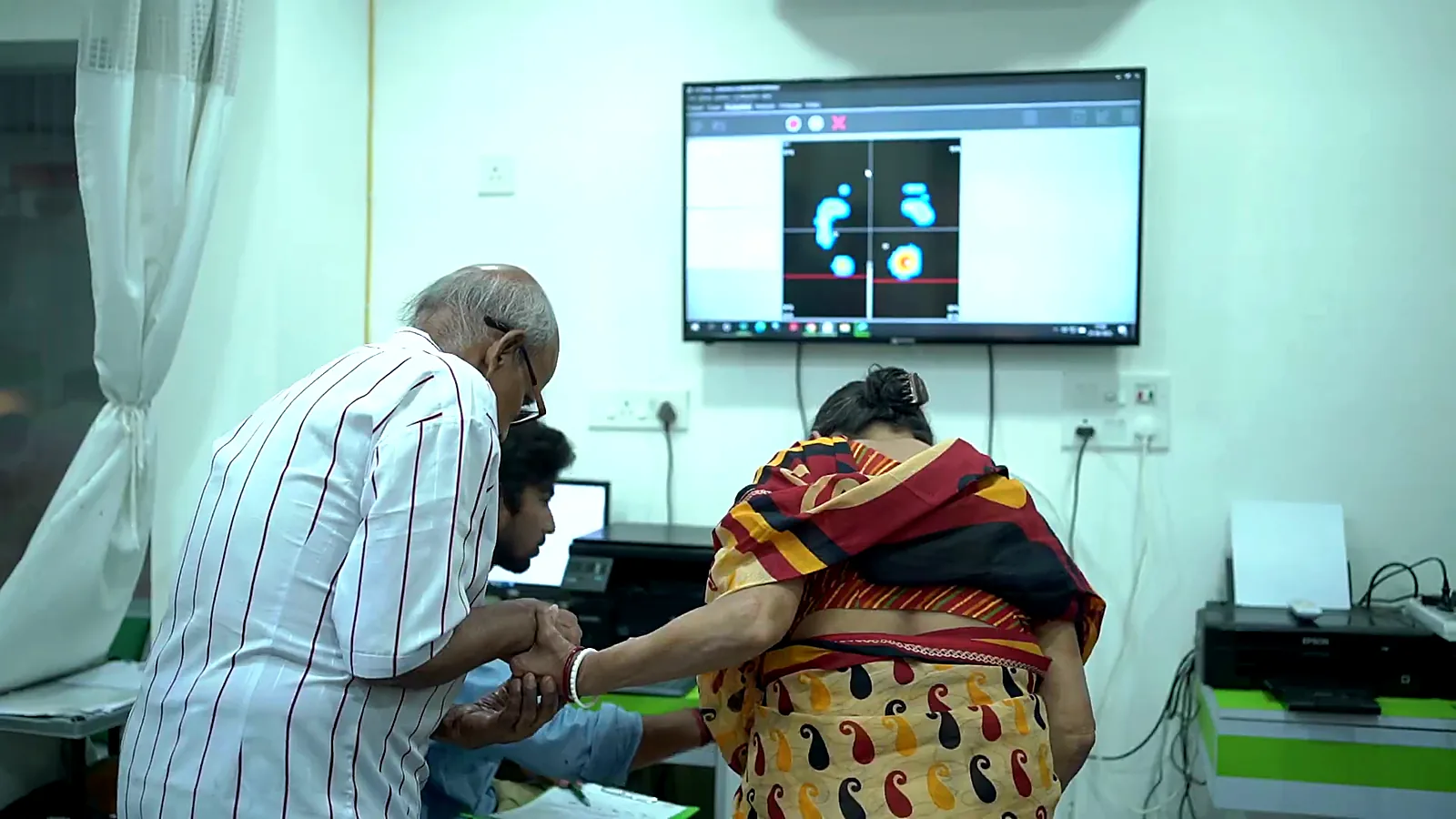
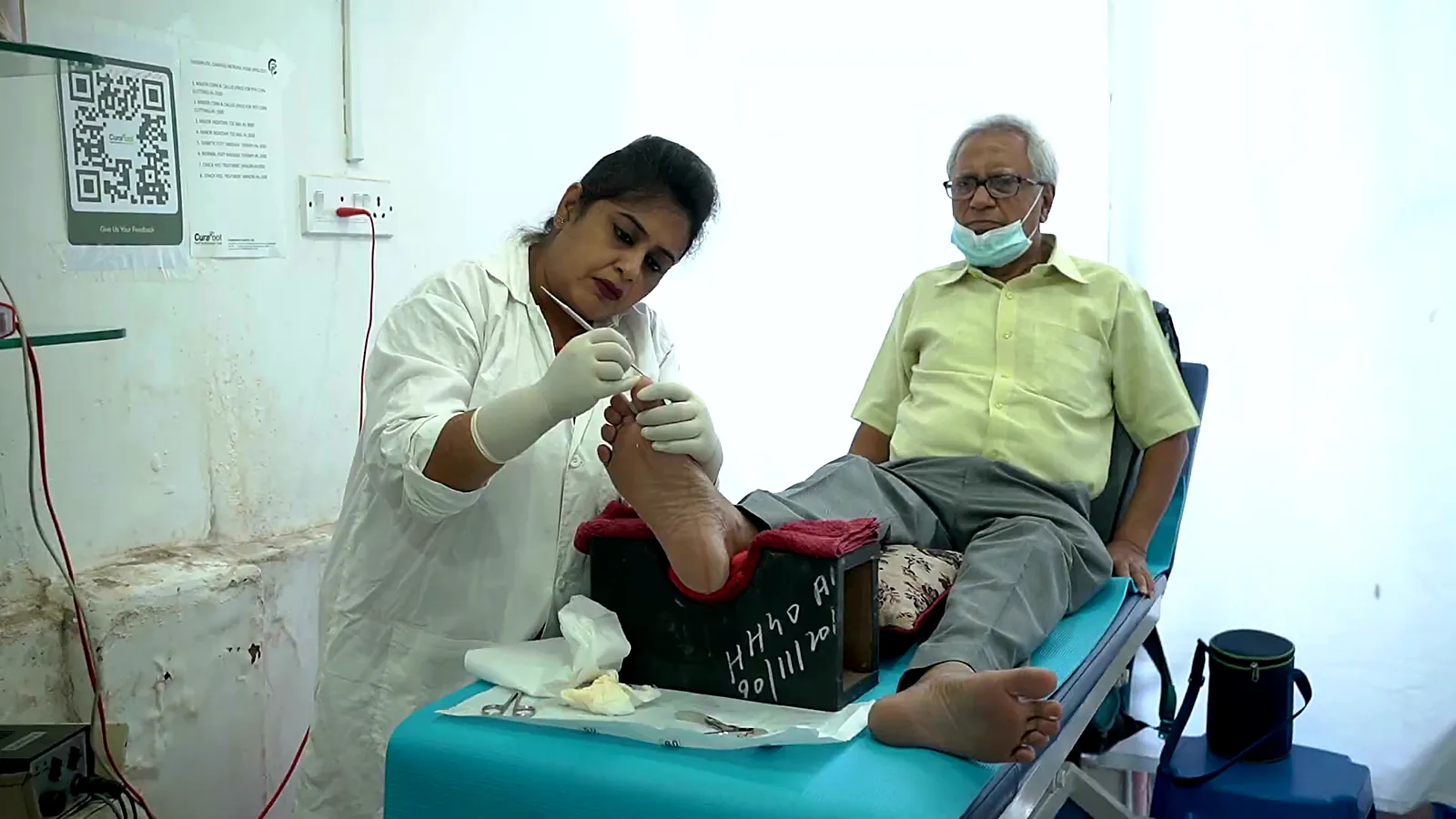
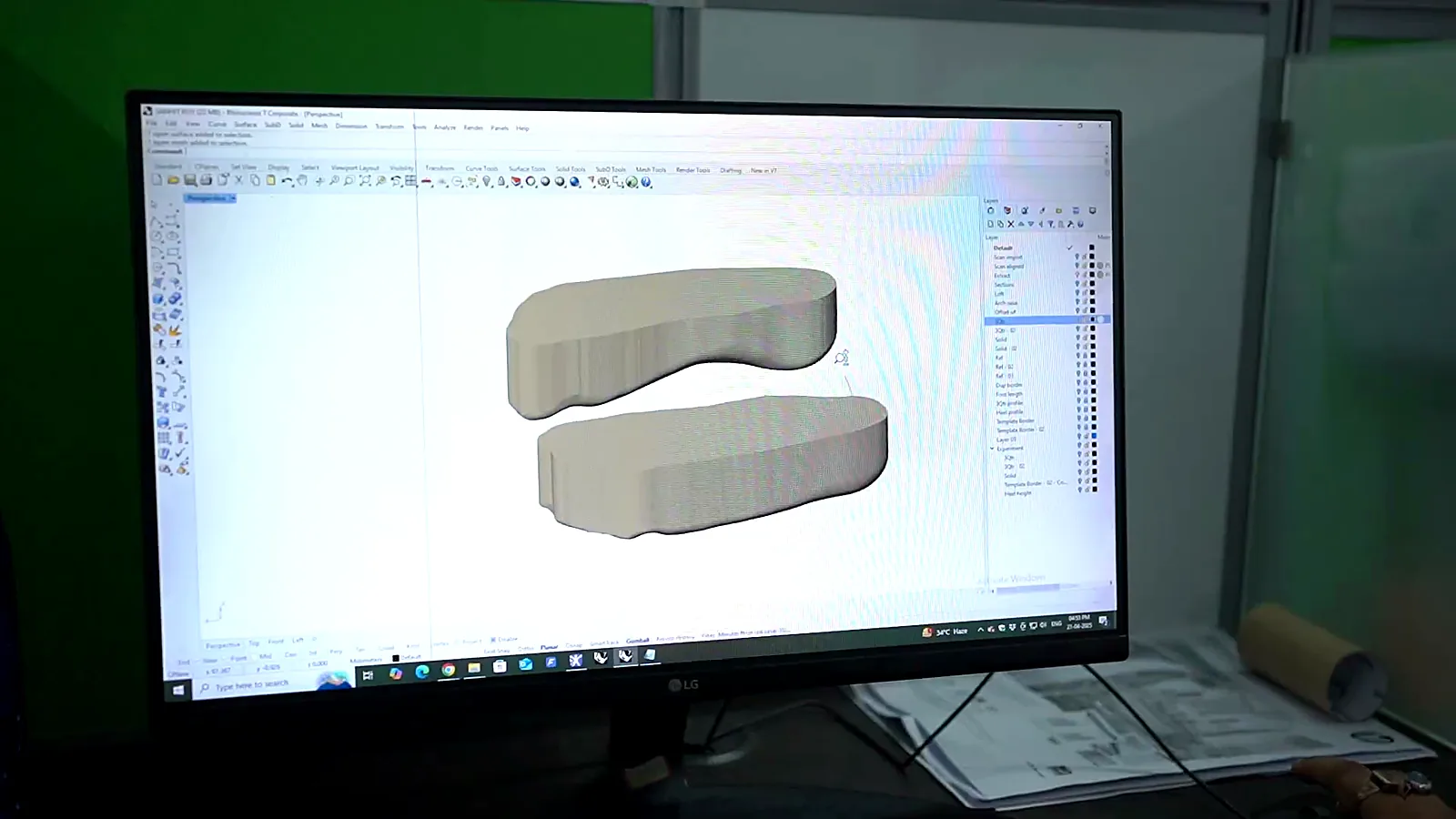
Curafoot Clinic with its combination of Foot Health specialization through Orthotics, Podiatry and Prosthetics plays a major role in detecting, diagnosing, and helping patients manage different Foot Conditions. The Clinic designs and manufactures Custom-Fit Insoles and Offloading Shoes.
Book your Appointment at the Curafoot Clinic Today.