This Blog from Curafoot helps you know more and make sure that you get the right treatment.
Call 062923 00396 * http://www.curafoot.in * support@curafoot.in
See our reel on Meta https://www.facebook.com/reel/1214899483599623
What are Corns and Calluses?
Corns and Calluses are thick, hardened layers of skin that develop as protection and buffer when feet or hands are subjected to repeated friction or pressure. Most are not painful in themselves, but repeated pressure on the corns and calluses from the same source may cause pain when walking or wearing shoes.
The Danger of Corns and Calluses
Constant pain from a corn will make you walk in a way that avoids the pressure areas and this will alter your gait, leading to backache and even knee pain. For most people, wearing an over-the-counter Corn Patch may help dissolve the hardened skin, but this will also need to be accompanied by changing the footwear as well – basically, removing the source of the friction or pressure from an ill-fitting shoe.
The danger of corns in particular is that when left untreated, they may bleed and develop lesions. For a diabetic, this can be dangerous as infected ulcers and wounds will cause grave problems. Self-treatment by cutting corns yourself is also not recommended for the same reason. Or, to solve the problem by a routine pedicure.
The Difference between Corns and Calluses
“Corns and calluses are essentially the same tissue. Corns tend to be small and round. You’re most likely to see corns on the top or sides of your toes.
Calluses are hard, thick patches of skin. Compared with corns, calluses are larger and have a more irregular (more spread out) shape. You’re most likely to see calluses on the bottom of your feet on the bony areas that carry your weight — your heels, big toes, the balls of your feet and along the sides of your feet. Some degree of callus formation on the bottom of your foot is normal.
You’ll also see calluses often on your hands. For instance, a callus forms where there’s repeated friction or rubbing — like on the tips of fingers of guitar players or the hands of gymnasts, weightlifters or craftsmen.”
https://my.clevelandclinic.org/health/diseases/16896-corns-and-calluses
What causes Corns and Calluses?
“Corns and calluses have many of the same causes. These include:
- Shoes that don’t fit properly. This is the most common cause of corns on the top of your feet. Shoes that are too tight or have areas that rub against your skin cause shearing, friction and pressure.
- People who frequently wear high-heeled shoes often develop calluses on the balls of their feet from the downward pressure on this area when walking.
- Standing, walking or running for long periods of time.
- Physical hobbies, sports activities or work/labor that puts pressure on your feet and/or causes repeated friction on an area of skin on your hands or fingers.
- Going barefoot.
- Not wearing socks with footwear.
- Having socks and/or shoe linings that slip and bunch up under your feet while in shoes.
- Walking with improper posture — walking too heavily on the inner or outer edge of your foot.
- Structural foot deformities or changes to the shape of your foot (hammertoes, tailor’s bunions, bunions or deformities from birth).”
https://my.clevelandclinic.org/health/diseases/16896-corns-and-calluses
Diagnosis of Corns and Calluses
Corns are primarily diagnosed through a physical examination by a doctor, who is most likely a Podiatrist and inspects the skin for small, thick and painful patches with a central core, usually found on toes. Diagnosis includes evaluating footwear, walking patterns, and symptoms to distinguish them from warts or cysts. No lab tests are typically required. Key diagnostic methods include:
- Visual Inspection & Palpation: A healthcare provider checks the skin for hardened, raised, or waxy bumps, which are often tender to the touch.
- Clinical Differentiation: To distinguish a corn from a plantar wart, a doctor may pare away (trim) the dead skin. Corns have a dense core, while warts often reveal black points (dried blood).
- Footwear & Lifestyle Analysis: Questions about daily activities, such as walking, standing, and types of shoes worn, help identify the source of pressure or friction causing the corn.
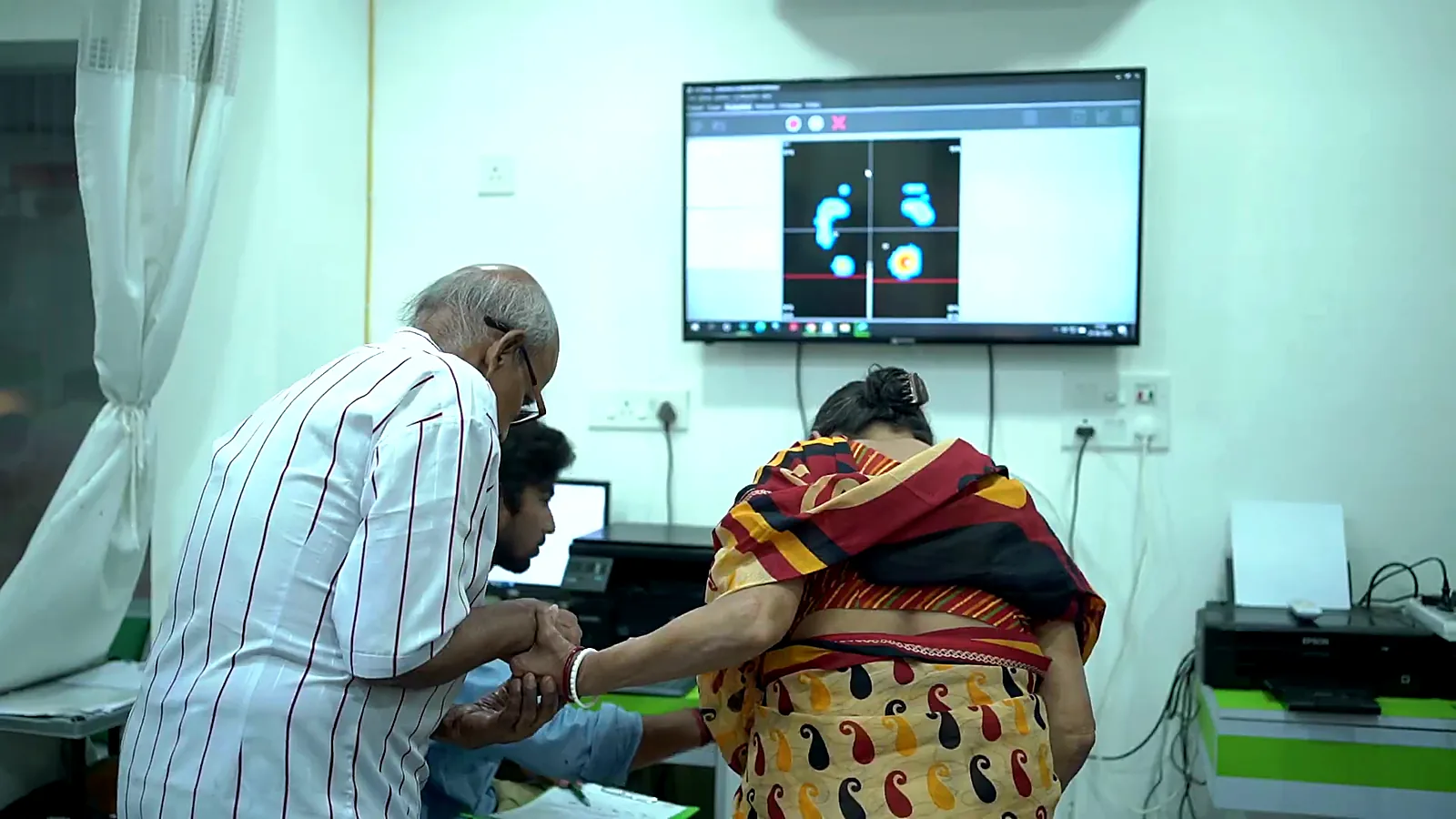
- Gait Assessment: The doctor may observe how the patient walks to identify structural, bone-related, or biomechanical issues that contribute to pressure points.
“Treatment and Management of Corns
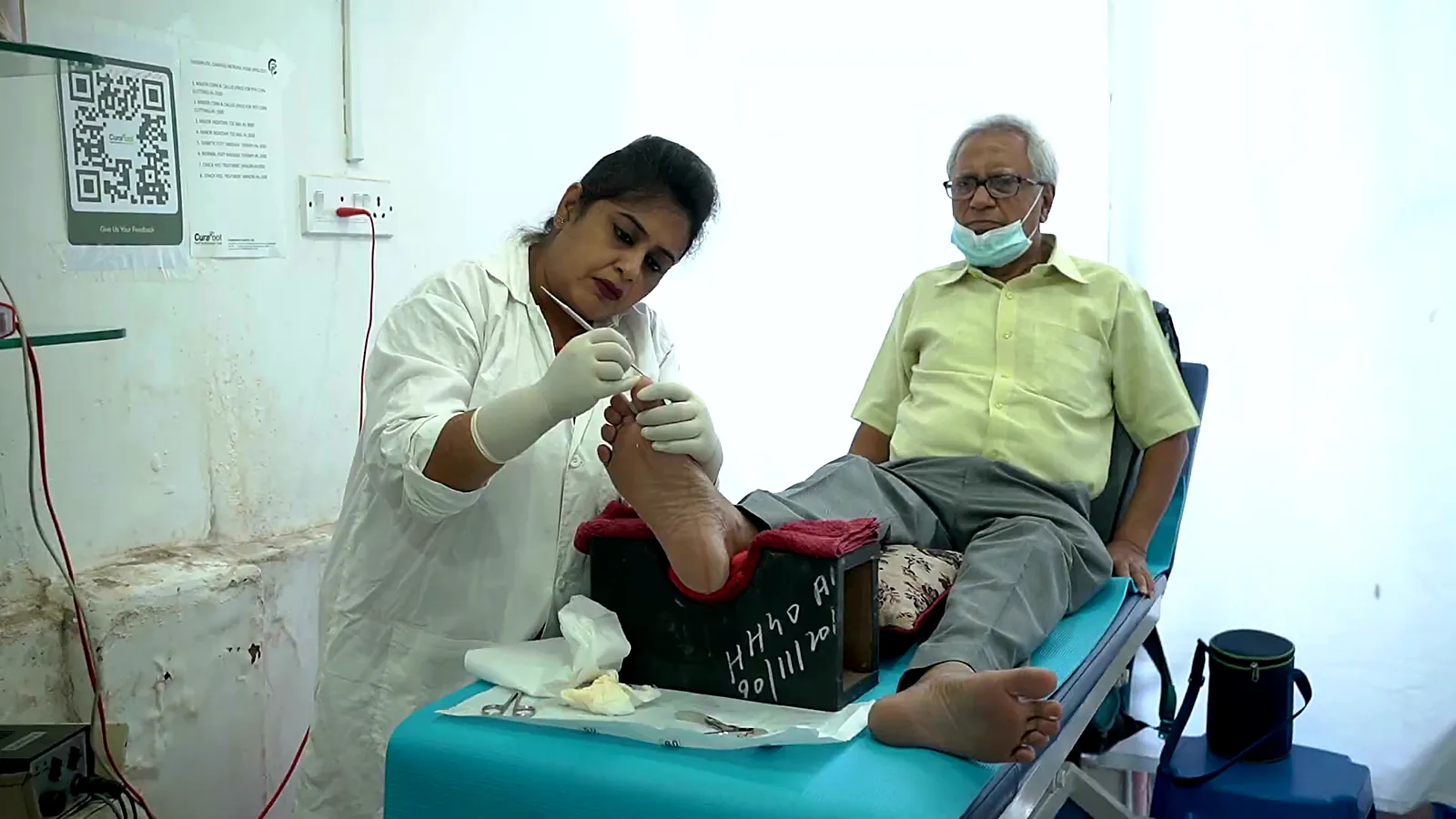
The treating provider should perform a gentle paring of the lesion without drawing blood, utilizing scalpels. Removing the central plug under local anesthesia, if necessary, reduces the pressure on underlying dermal nerves, thus alleviating the pain.
Patients should be advised to trim the previously treated lesions weekly, using an emery board or pumice stone, after immersing the feet in warm water for twenty minutes.
Patients with diabetes should be very careful if they have peripheral sensory neuropathy causing diminished sensation of their skin: it is advisable for people with diabetes with corns and calluses to have their podiatrist par debride the callus safely, as attempting this on their own in the presence of sensory neuropathy may lead to excessive trimming and ultimately abrasion of the skin”.
https://www.ncbi.nlm.nih.gov/books/NBK470374
Why Diabetics Need to Be Careful about Managing Corns
For diabetics, safely managing foot corns is critical to avoid infections, ulcers, and severe complications. Never use over-the-counter corn removers, acids, or sharp tools at home. Instead, visit a Podiatrist for professional care, wear properly fitted shoes, use protective cushioning and check your feet daily for any changes ( bleeding lesions, change in surrounding skin colour).
When do Podiatrists Prescribe Orthotics for Corns?
Podiatrists recommend custom orthotics—specialized, molded shoe inserts—under the following circumstances:
- Recurring Corns: The corn returns shortly after being trimmed (debrided) by a professional.
- Underlying Structural Issues: The corn is caused by abnormal pressure points from deformities like bunions, flat feet, or high arches.
- Chronic Pain: The corn causes pain that interferes with daily activity or walking.
- Abnormal Gait: The way you walk creates consistent friction on a specific part of the foot.
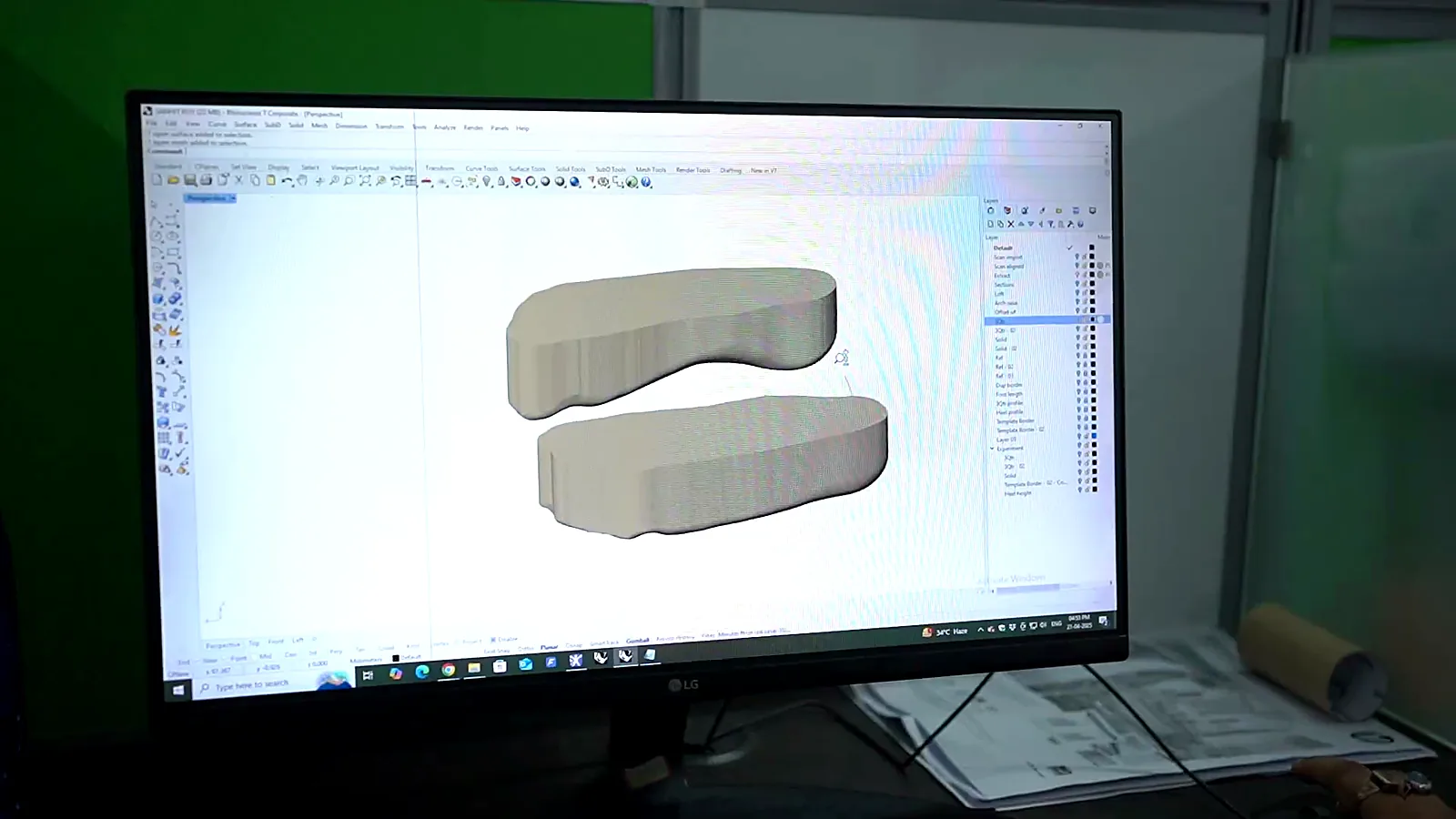
Curafoot Clinic with its combination of Foot Health specialization through Orthotics, Podiatry and Prosthetics plays a major role in detecting, diagnosing, and helping patients manage different Foot Conditions. The Clinic designs and manufactures Custom-Fit Insoles and Offloading Shoes.
Book your Appointment at the Curafoot Clinic Today.