What is ankle pain?
Ankle Pain affects ligaments on the outside of the ankle. Most athletes once they have an ankle pain will experience this multiple times. In most cases, they could develop chronic instability (multiple recurring sprains). Consult your CuraFoot doctor for a thorough diagnosis.
This condition is called chronic ankle instability. Such individuals may get repeated ankle sprains or feel that their ankle is giving away. This is serious because with each sprain, one increases the chance of ankle arthritis in later life.
Arthritis or “Degenerative arthritis” is damage to and inflammation of the joint. This damage if due to wear and tear is called Osteoarthritis. As the ankle is a commonly injured joint, its wear and tear over many years could cause significant problems in later life.
What causes ankle pain?
- While ankle pain is primarily caused by injury during physical activity, it can also be a result from osteoarthritis.
- Wearing incorrect shoes with improper support
- Standing or walking for long periods of time
- Overuse of the feet during sports
- Being overweight or obese
Symptoms can include
Chronic ankle pain
Chronic or recurring ankle pain
Pain after rest
Ankle pain after sitting or sleeping
Ankle swelling
Swelling in the ankle
Ankle stiffness
Ankle stiffness
Reduced motion
Lessened range of motion in the ankle
How to relieve ankle pain?
Steps you can take to help relieve pain in your ankles:
- Use shoes with correct insoles to support and cushion your feet and ankles
- Eat a balanced diet and exercise regularly to stay healthy
- Ankle stretching and strengthening exercises to be done regularly to help prevent injuries
- To avoid running and any strenuous exercises
More about ankle pain conditions
Your ankle is a complex joint and with every step it has to absorb several times your body weight – making it prone to chronic overuse. If you have recurring ankle pain or any other ankle condition, contact CuraFoot Clinic for an appointment immediately.The ankle is the most commonly injured joint of the lower extremity. A common injury is ankle sprain, but it is also prone to fractures, tendonitis, nerve problems and other injuries. CuraFoot specialists treat all injuries and problems affecting the ankle.
Chronic ankle problem is very common
A common complaint is that ankle conditions do not get better. You are not alone. Chronic pain in the ankle, either following an injury or for unknown reasons is very common. CuraFoot clinical experts treat and manage your foot and ankle conditions according to the latest “evidence-based” medical research.
Most ankle conditions do not need Surgery
CuraFoot believes in treating your ankle conditions effectively but conservatively. Surgery should always be the last resort in treatment – other than for certain fractures which may require surgical correction. CuraFoot specialists will be delighted to share the best treatment options and provide alternatives in your long term interest. Contact CuraFoot Clinic for an appointment.
Get treated soon to improve ankle conditions
Ankle sprains and other injuries need to be treated early to prevent long term and more acute conditions developing later – including arthritis of the ankle. If you have ankle pain, swelling or instability, contact CuraFoot Clinic for an appointment.
Learn about different ankle conditions
Different ankle conditions can affect your wellbeing. Use the following links to learn more about what may be affecting you:
Ankle Sprains
Ankle Sprain
An ankle sprain is a common sports injury. It affects ligaments on the outside of the ankle. Up to 80% of athletes who suffer an ankle sprain will experience this multiple times. Infact after an ankle sprain,40% of patients could develop chronic instability (multiple recurring sprains). When CuraFoot treats ankle sprains, our goal is to provide long term solutions to your recurrent sprains.
The cause of increased residual ankle instability after an initial lateral ankle sprain is that most ankle sprains are not properly treated. Often, during the initial assessment too much emphasis is put on ruling out a fracture. Little effort is put on the actual rehabilitation of the ligaments of the ankle.
For best results, effective treatment of an ankle sprain requires supervision by a physician and disciplined participation by the patient. If you have a sprained ankle, contact CuraFoot Clinic for an appointment immediately.
Unstable Ankle
If you have ever had an ankle sprain, there is a risk of developing a condition called “chronic ankle instability.” Such patients may get repeated ankle sprains or feel that their ankle is “giving away.” This is serious because, with each sprain, you increase the chance of ankle arthritis in later life.
You should contact CuraFoot Clinic for an appointment immediately if any of the following apply:
- You think you may have unstable ankles
- You occasionally twist or turn your ankle
- You feel like your ankle gives way
- You are prone to falls due to lack of ankle control
- You have had more than one ankle sprain
Ankle Arthritis
“Degenerative arthritis” is damage to and inflammation of a joint. This damage if due to wear and tear and is called osteoarthritis. The umbrella term “arthritis” describes more than 100 different ailments including inflammatory conditions, such as gout, infection, and rheumatoid arthritis. Each has its cause and treatment protocols.
As the ankle is a commonly injured joint, its wear and tear over many years could cause significant problems in later life. At CuraFoot, our experts treat ankle arthritis in a conservative manner to avoid expensive and complex surgeries.
It is recommended to get treatment as early as possible for any foot and ankle injury – because untreated foot injuries could ultimately result in ankle arthritis. You should contact CuraFoot Clinic for an appointment if you are worried about any ankle injury or pain.
Learn more about ankle arthritis.
- Who gets Ankle Arthritis?
- What Are the Symptoms of Ankle Arthritis?
- How Is Ankle Arthritis Diagnosed?
- How Is Ankle Arthritis Treated?
Who Gets Ankle Arthritis?
Almost 90% of those suffering from ankle arthritis will either have a predisposition to osteoarthritis or have suffered prior trauma to their ankle joint.
Increasingly research suggests that osteoarthritis may be genetic in nature. But the bulk of ankle arthritis cases could be due to prior trauma in the lower extremities. A joint that was previously injured is seven times more likely to develop arthritis. Other causes of ankle arthritis includes medical conditions like:
- Rheumatoid arthritis
- Hemophilia or hemochromatosis
- Clubfoot or genetic defects that impact ankle alignment
- Circulation disorders including avascular talus necrosis and osteochondrosis dissecans
What Are the Symptoms of Ankle Arthritis?
If the ankle joint is severely damaged, cartilage often rips from the bone. The fragments of cartilage then float within the joint causing pain and further damage. As cartilage does not heal it may cause a permanent defect. Scar tissues develop causing more pain and discomfort. Ultimately, the joint will no longer function, resulting in increased inflammation and severe joint pain.
Many patients may not be aware that ankle pain affects their day-to-day activity level. Yet, most, when probed, will admit that their activity level has decreased over time after an ankle injury. You should contact CuraFoot Clinic for an appointment if you are experiencing any of these symptoms:
- Chronic or recurring ankle pain
- Ankle pain after sitting or sleeping
- Swelling in the ankle
- Ankle stiffness
- Lessened range of motion in the ankle
- Popping or other sounds when flexing or pointing toes
How Is Ankle Arthritis Diagnosed?
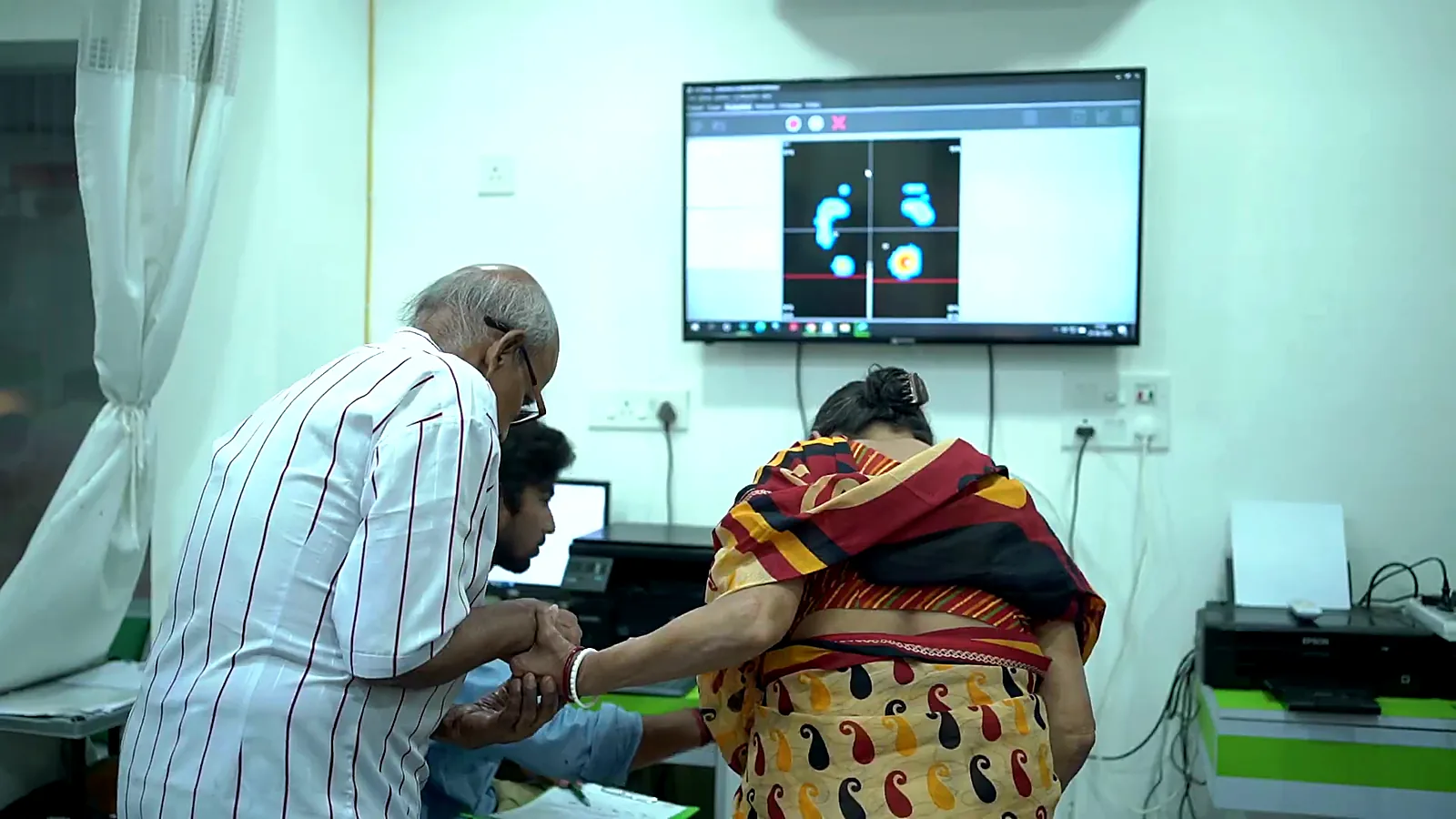
At CuraFoot medical experts provide a thorough physical examination to evaluate the type and extent of damage to the joint. This analysis will measure your ankle’s range of motion and may draw fluid to check for an infection. X-rays may also be needed to help guide the diagnosis. You should contact CuraFoot Clinic for an appointment if worried about a recent injury or recurring pain to the ankle.
How Is Ankle Arthritis Treated?
A number of highly effective non-surgical treatment options are available for ankle arthritis. At CuraFoot our goal is to avoid surgery, if possible.
Infact for the mildest forms of ankle arthritis, avoiding high impact activity and making better footwear/shoe choices could often be the best solution.
Avoiding high impact activities such as running or jumping and switching to swimming or walking may be all the lifestyle changes needed for mild ankle arthritis. Beyond basic activity changes, some other conservative measures that we often recommend are mentioned here:
- Foot Orthotics for Ankle Arthritis – When ankle arthritis is severe, custom foot orthotics that protect the ankle joint may be recommended. A custom orthotic made to conform to your feet can greatly reduce ankle pain.
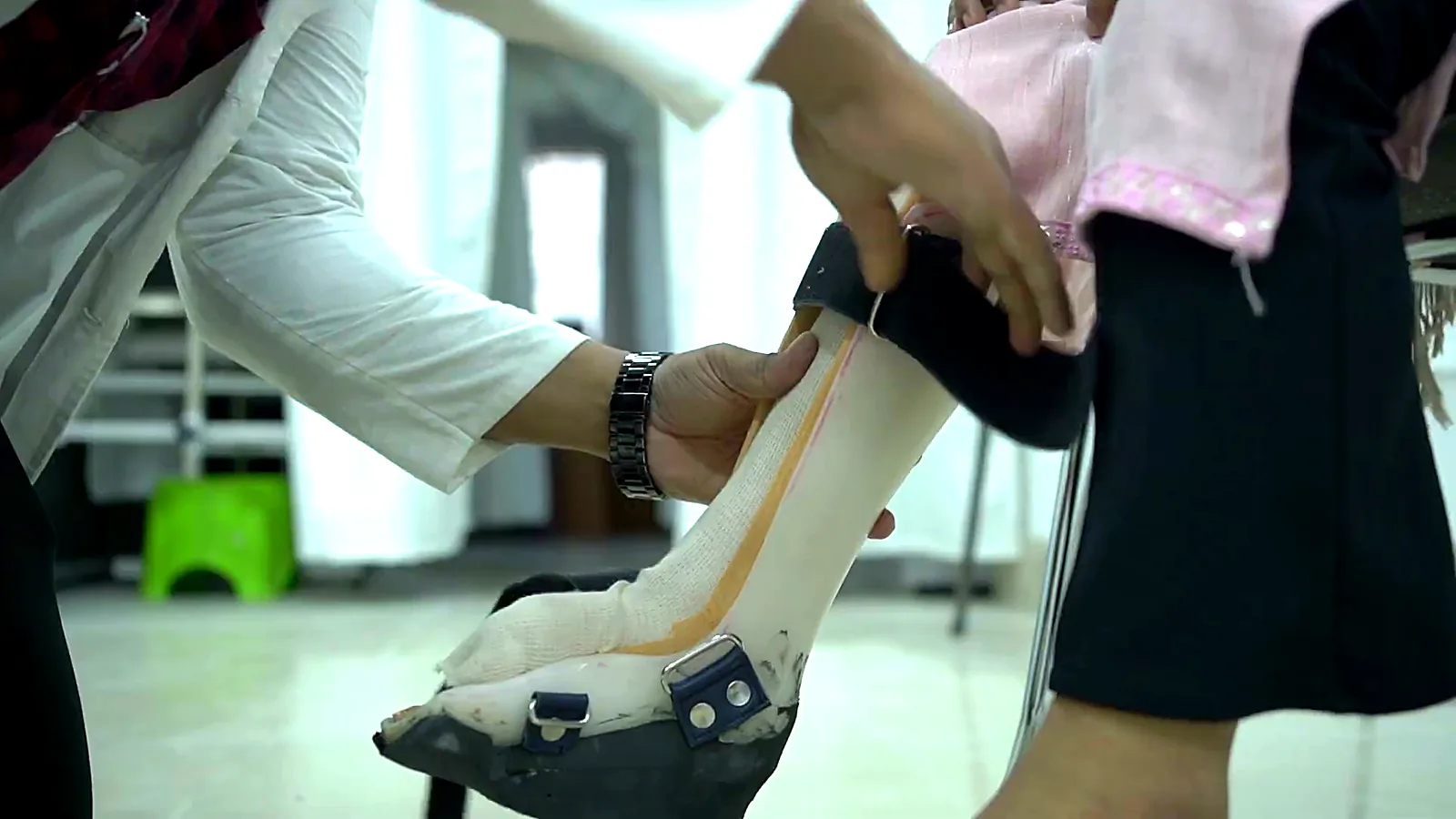
- Braces for Ankle Arthritis – For patients with stiff and painful joints, bracing may be a helpful treatment. If a prefabricated ankle brace isn’t effective, a custom ankle-foot orthosis (“AFO”) is the next step and is a custom brace fashioned from a cast of your foot and ankle.
- Medications for Ankle Arthritis – We may also recommend medication such as non-steroidal anti-inflammatories (NSAIDs) or medications prescribed by a rheumatologist if you have autoimmune or inflammatory medical conditions contributing to your ankle arthritis. There are many types of medications that can be part of a first line of defense against arthritis prior to considering any surgical procedure.
Contact CuraFoot for Ankle Arthritis Treatment
Our clinicians are skilled specialists with advanced training in foot and
ankle pain conditions
. They have decades of experience and are well known for their conservative, non-invasive, yet highly effective treatment of your ankle arthritis.