What is Morton’s neuroma?
A damaged, swollen nerve, known as a Morton’s neuroma, produces pain on the bottom of the forefoot, typically located behind the third and fourth toes. The nerve that runs between the long bones of the foot (metatarsals) is squeezed and irritated, and the tissue around it thickens. It is not a tumour. Shoes that are narrow or high-heeled may make the symptoms worse, and it is more common in women and in runners and people who stand for long hours.
Morton’s neuroma symptoms
- Strong burning pain in the ball of the foot
- A feeling like standing on a pebble or a fold in your sock
- Numbness or tingling in the toes
- Burning that spreads into the toes
- Pain that worsens with walking, and in tight shoes
- Relief when you take your shoe off and rub the foot
What causes Morton’s neuroma?
Pressure on the nerve is the main cause. Things that add to it include:
- tight shoes with a narrow toe box
- high heels
- flat feet, high arches, bunions or hammer toes
- running and sports that load the forefoot
- long hours of standing
- an old foot injury
- excess body weight
When to see a foot doctor
- Burning or numbness in the toes that keeps coming back
- Pain that stops you walking or running comfortably
- Pain that is no better after a few weeks in wider, flatter shoes
- You have diabetes and new numbness or burning in the feet
Burning and numbness in both feet, rather than between two toes, is more likely to be nerve damage (neuropathy), for example from diabetes, and should be checked.
How CuraFoot treats Morton’s neuroma
At CuraFoot a foot doctor examines the forefoot, checks your footwear and may suggest an ultrasound or MRI scan to confirm it. Most people improve without surgery:
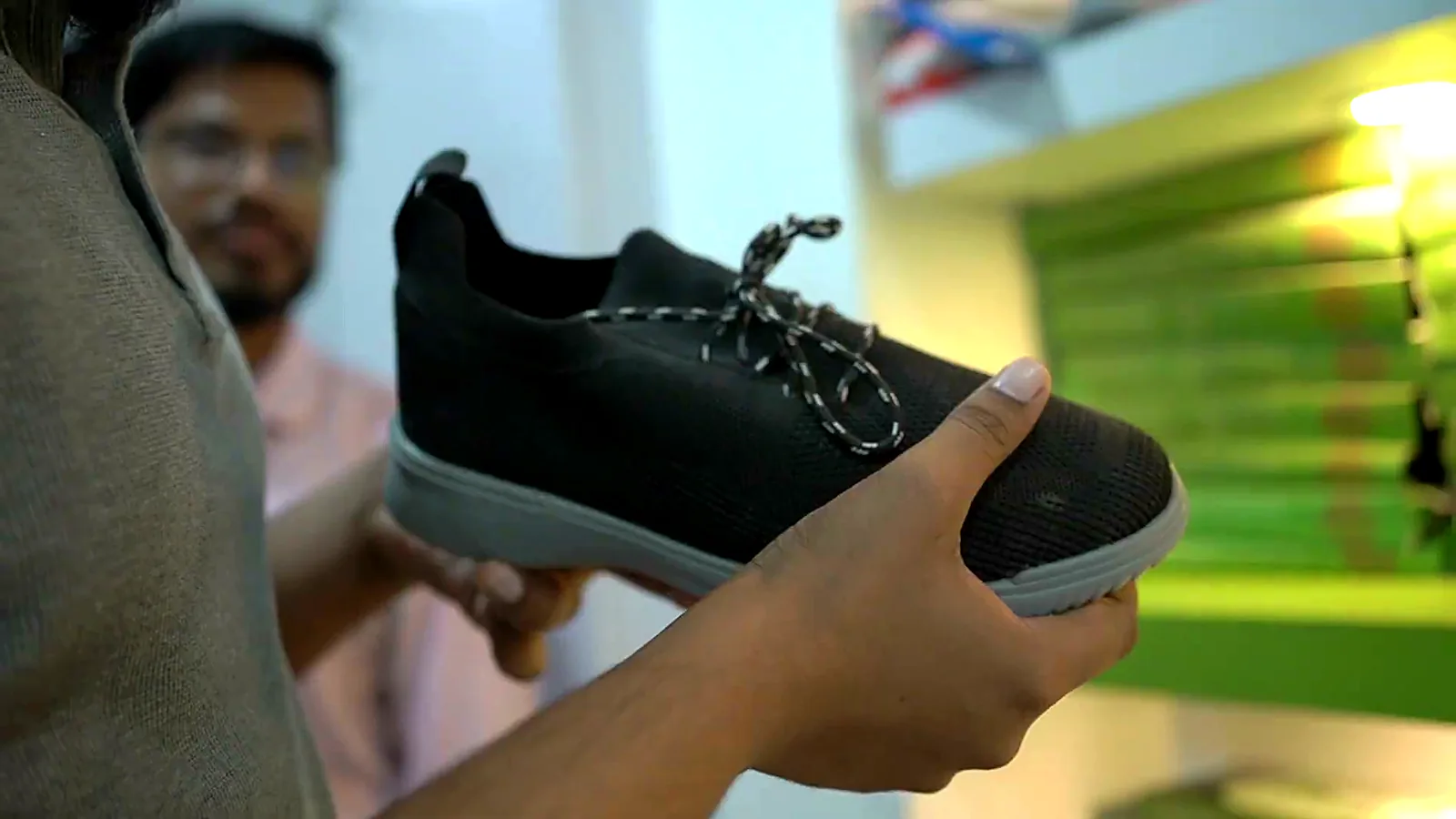
Wider, flatter shoes
A broad toe box and a low heel take the squeeze off the nerve. See orthopaedic and custom footwear.
Custom insoles with a metatarsal pad
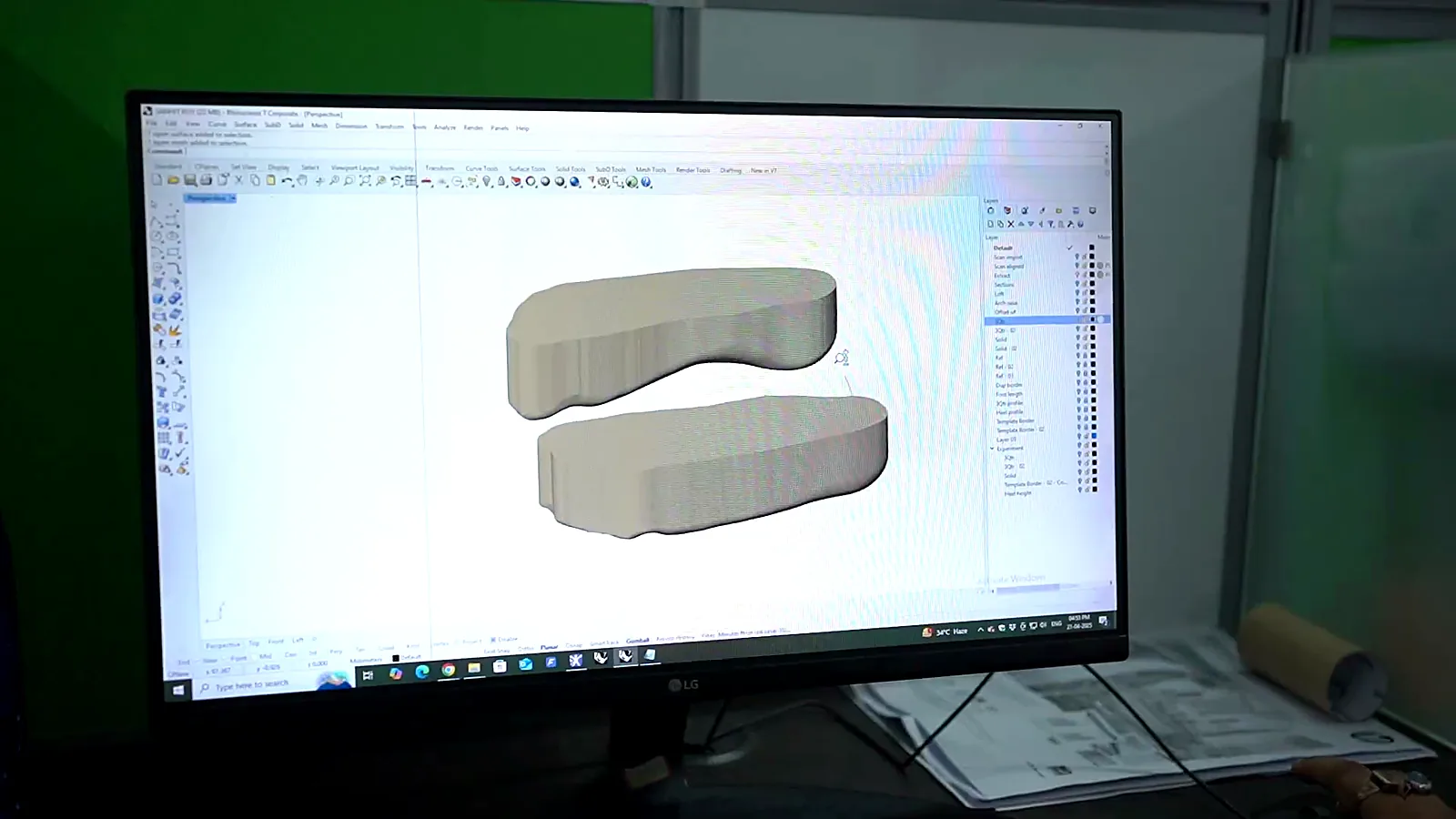
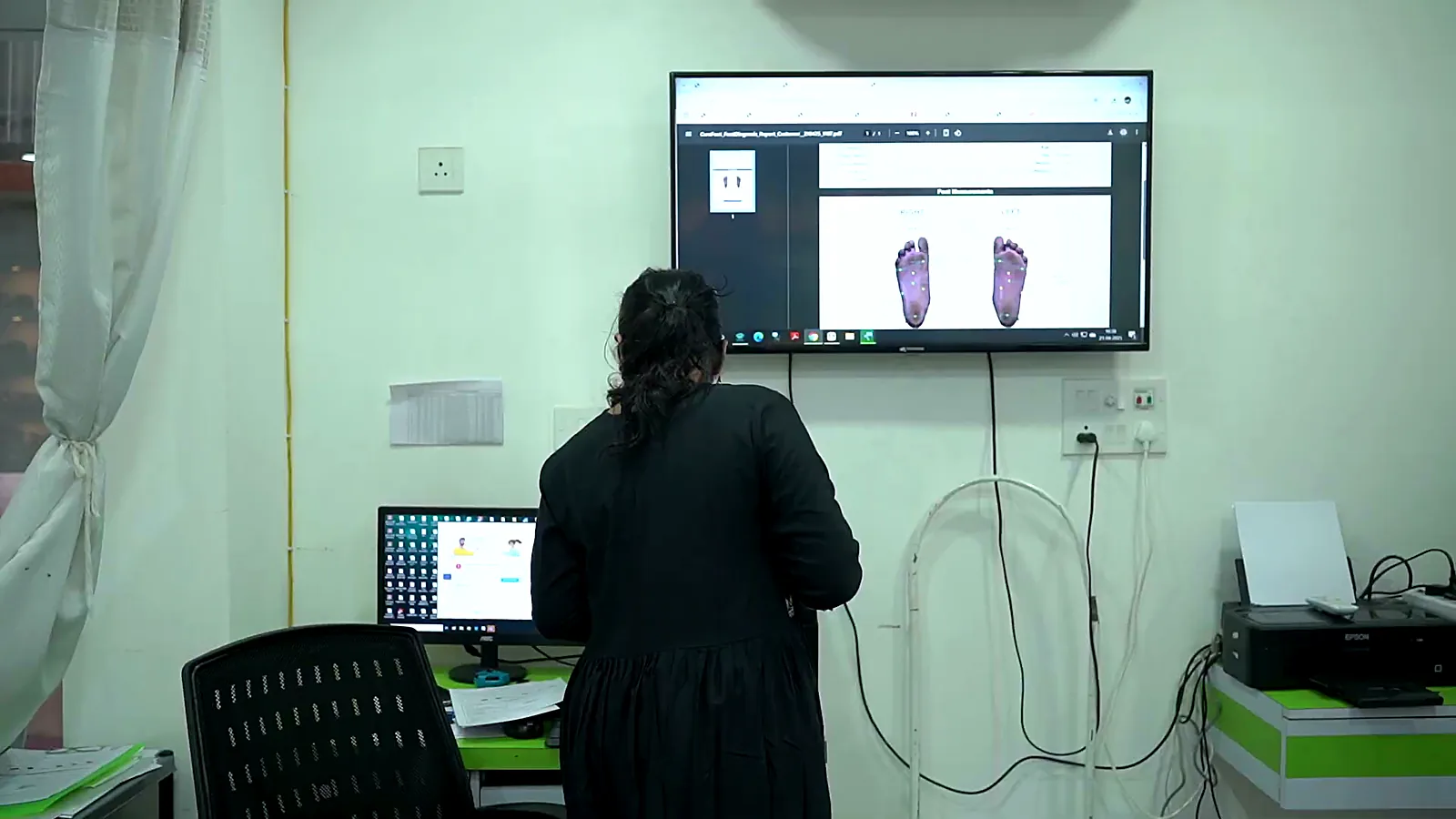
Custom insoles made from your 3D scan can include a pad that spreads the bones and takes pressure off the nerve.
Activity changes
Cutting back on high-impact exercise for a while, with swimming or cycling instead, lets the nerve settle.
Referral when needed
If the pain does not settle, injections or surgery are options that a specialist can discuss with you.
More on ball of foot pain (metatarsalgia), bunions and hammer toes. Runners and players: see our Sports Injury Foot Clinic.