A study by Arthritis Care & Research discovered that more than one in three older people had at least one bunion foot problems.
But, before we delve deeper into the subject of bunion foot problems and facts related to it, how many of us are actually aware of a bunion foot problem and its severe effects on an individual’s health and lifestyle. Not many know the basics of bunion foot ailment and the pain caused because of it. So, let’s start by knowing more about this condition and why you shouldn’t ignore it.
What are Bunions?
Bunions are deformities at the base of the big toe, which can be the cause for severe pain and disability. They can be hereditary and can be passed on from one family member to the other. People suffering from bunion foot problem suffer from pain in different parts of the body, which include the knee, foot, hip, and the lower back.
1. Bunions are more common in women:
Believe it or not, but women are 10 times more prone to develop bunion foot problems. Wondering why this deformity is more common amongst women? One of the major causes is said to be the wrong footwear. Wearing heels or small shoes causing discomfort is one of the reasons. It is better to have proper footwear & using foot care products.
2. The genetic factor weighs in:
As mentioned before, genetics play an important part in an individual suffering from bunion deformity. If anyone in your family suffers from a bunion, then you have a high chance of contracting it.
3. Symptoms to watch out for:
If you experience tremendous pain at the base of your big toe while walking or wearing shoes, then it may be a sign of bunion foot ailment. While bunion foot condition is mainly noticeable by a bony bulge at the base of your feet, sometimes your feet may be red and calloused.
4. Diagnosing this ailment:
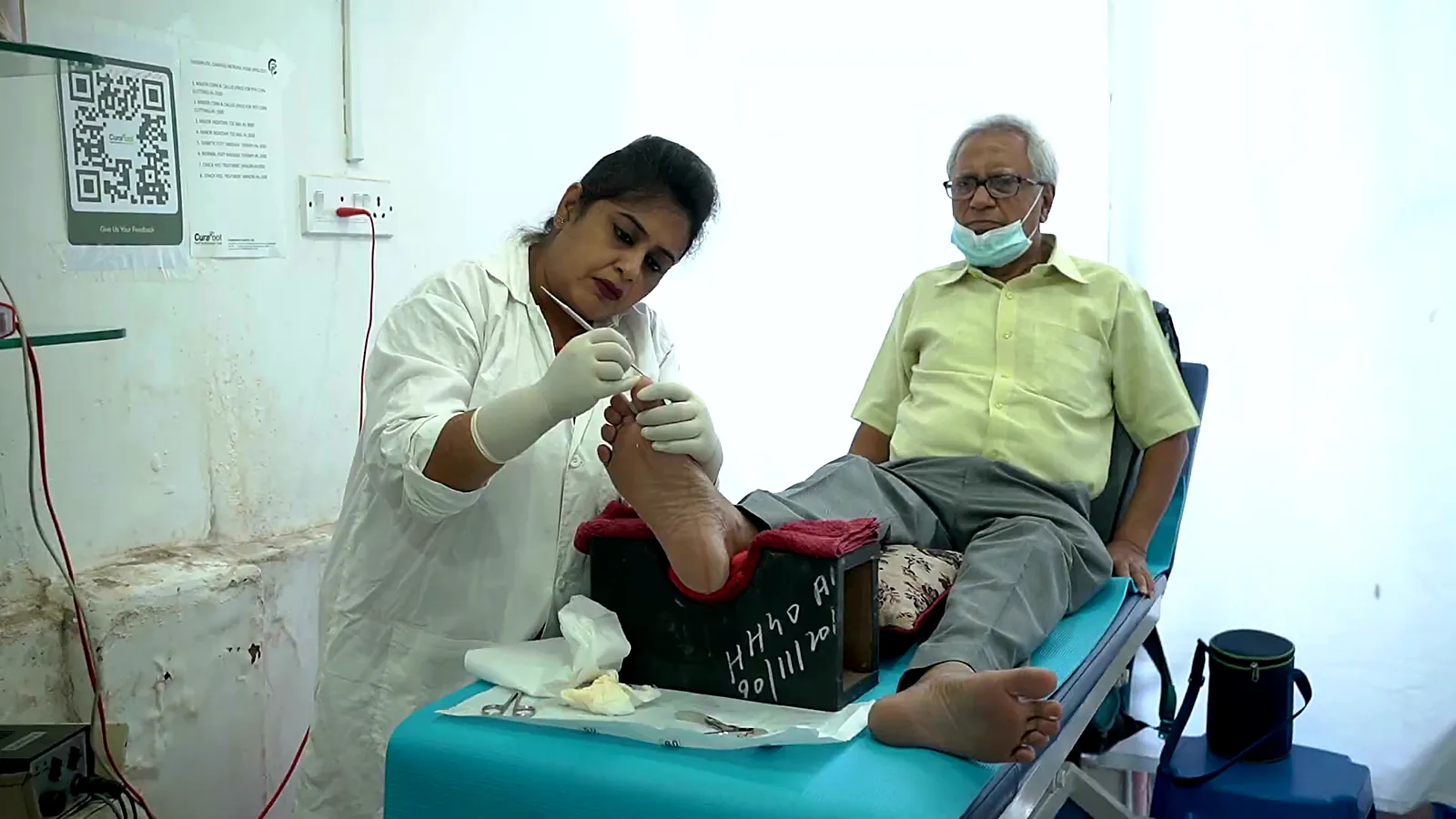
In case you sense any of the above-mentioned symptoms, then it can be a bunion, and it’s advisable for you to consult a foot doctor or podiatrist– for further treatment.
5. Shoes can make all the difference:
When you suffer from a bunion foot ailment, it’s best to avoid wearing tight or high-heeled shoes as it puts extra pressure on your big toe.
6. Bunion surgery:
There are numerous types of surgery for bunion, but only your doctor can understand the severity of the bunion and suggest surgery accordingly.
7. Non-surgical treatment:
There is no permanent solution to cure bunion foot problems but you can start by avoiding to walk excessively or wear loose footwear that keeps your feet comfortable.
Awareness is key when it comes to bunion foot problems. It’s better to be aware first, take the necessary precautions and if the problem still persists, visit your podiatrist right away. If this ailment is prevalent within your family and if any of your family members suffer from bunion foot condition, then you need to be more cautious and in case of any pain in your foot, you should immediately consult your doctor.