Did you know that, according to estimates, the prevalence of Charcot foot ranges from 0.1% to 7.5% in the general diabetic population? Still, it can reach up to 35% in diabetes individuals with diabetes who exhibit evident peripheral neuropathy (Source). So, primarily, people who are diabetic face this issue. If you are one of them, then a diabetic foot doctor can help you.
But what is Charcot foot? A rare consequence of diabetic neuropathy is Charcot foot. It can significantly worsen illnesses or injuries. Nerve damage from diabetes-related neuropathy causes you to lose sensation in your feet and lower legs. This makes it difficult, if not impossible, to detect pain or other indications that your foot is hurting.
Since you can’t feel or see the symptoms, Charcot foot occurs when a minor injury or infection leads to severe complications. Charcot foot can impact the joints in your foot, causing them to collapse and permanently impair their functionality if treatment is delayed. But how will you find out that someone is suffering from Charcot foot? Well, in the next part, we will explain the significant symptoms of it. Let’s start the topic.
Significant Symptoms of Charcot Foot Seen Among The Seniors
- Warmth in one foot
- Redness and swelling
- Unusual foot shape or arch collapse
- Difficulty bearing weight
- One foot appears larger or puffier than the other
- Instability while walking
- Loss of sensation
Because Charcot foot often lacks pain in the early stages, seniors may dismiss the signs as minor issues, such as a sprain or normal aging. This delay in diagnosis can develop into severe deformities or even amputation if untreated. Once you observe any of these symptoms, you should visit a reputable foot specialist doctor near your location. Now, let’s examine the major causes behind this issue.
What Are The Major Causes of The Charcot Foot?
- Peripheral neuropathy
The main culprit of this problem is nerve damage, primarily when associated with diabetes. The condition results in a weakened sense of pain in the feet. With this, the lack of pain as a warning signal leads to the possibility of injuries slipping under the radar and, as such, going untreated. This lack of detection can increase the risk of complications, which may ultimately threaten both foot health and overall well-being.
- Minor foot trauma
Even the most minor injuries, like sprains, fractures, or a mere slip, can lead to extensive damage to joints and bones in a person with neuropathy. The compromised sense of feeling may cause them not to notice potential damage, so what would be a harmless episode in others may turn out to be a matter of deep concern for their skeletal well-being. The best doctor for foot problems can guide you past the issue you are currently experiencing.
- Undergoing foot surgery or severe infection
Infections or surgery may occasionally trigger a cascade of tissue damage and inflammation, accelerating joint breakdown in patients who are already predisposed. Inflammation can lead to increased pain and reduced mobility, thereby accelerating the overall breakdown of the joint.
- Kidney disease or another chronic illness
Multiple underlying conditions may drastically impair bone quality, discontinue circulation, and diminish one’s ability to heal and recuperate. These negative side effects may play a major role in the development of Charcot changes, eventually leading to complications for one’s general health.
Charcot foot often starts when someone with neuropathy doesn’t notice an injury, continues to walk on it, and unknowingly worsens the damage. The body responds with inflammation, leading to rapid bone weakening, fractures, and joint dislocation. Now, how can you treat your Charcot foot? If you would like to know, we will provide the information in the following paragraph.
Common Ways To Treat Your Charcot Foot
- Physical therapy
A therapist is a medical professional who assists you in enhancing your body’s ability to move. They will help you manage discomfort, stiffness, and soreness that limit your range of motion. To assist you in moving your body, they will also create a personalized set of workouts and motions.
- Prevent any new problems.
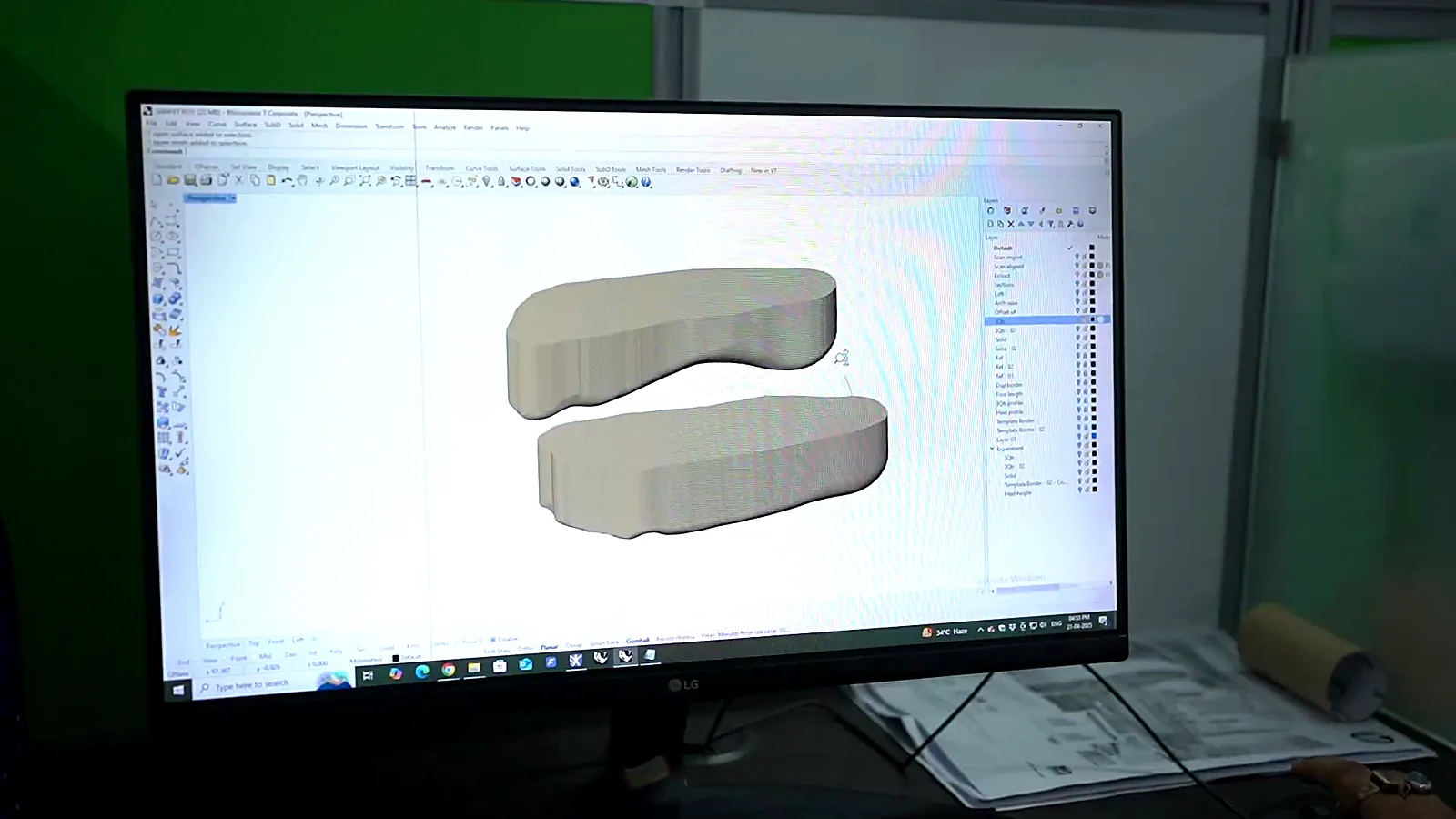
You will wear correctly fitting prescription shoes once your doctor removes the final cast. They will alleviate pressure spots that may result in wounds or injuries. Additionally, you may need to wear a brace. Additionally, your doctor may advise you to modify some of your daily routines to reduce the strain on your foot.
- Monitoring and managing blood sugar
It is very important to replace insulin with glucose carefully, as it will prevent additional damage to nerves and help the body heal quickly. Regular visits to an endocrinologist are highly recommended, since they can give expert guidance and advice on how to manage your condition effectively.
- Regular foot care and inspections
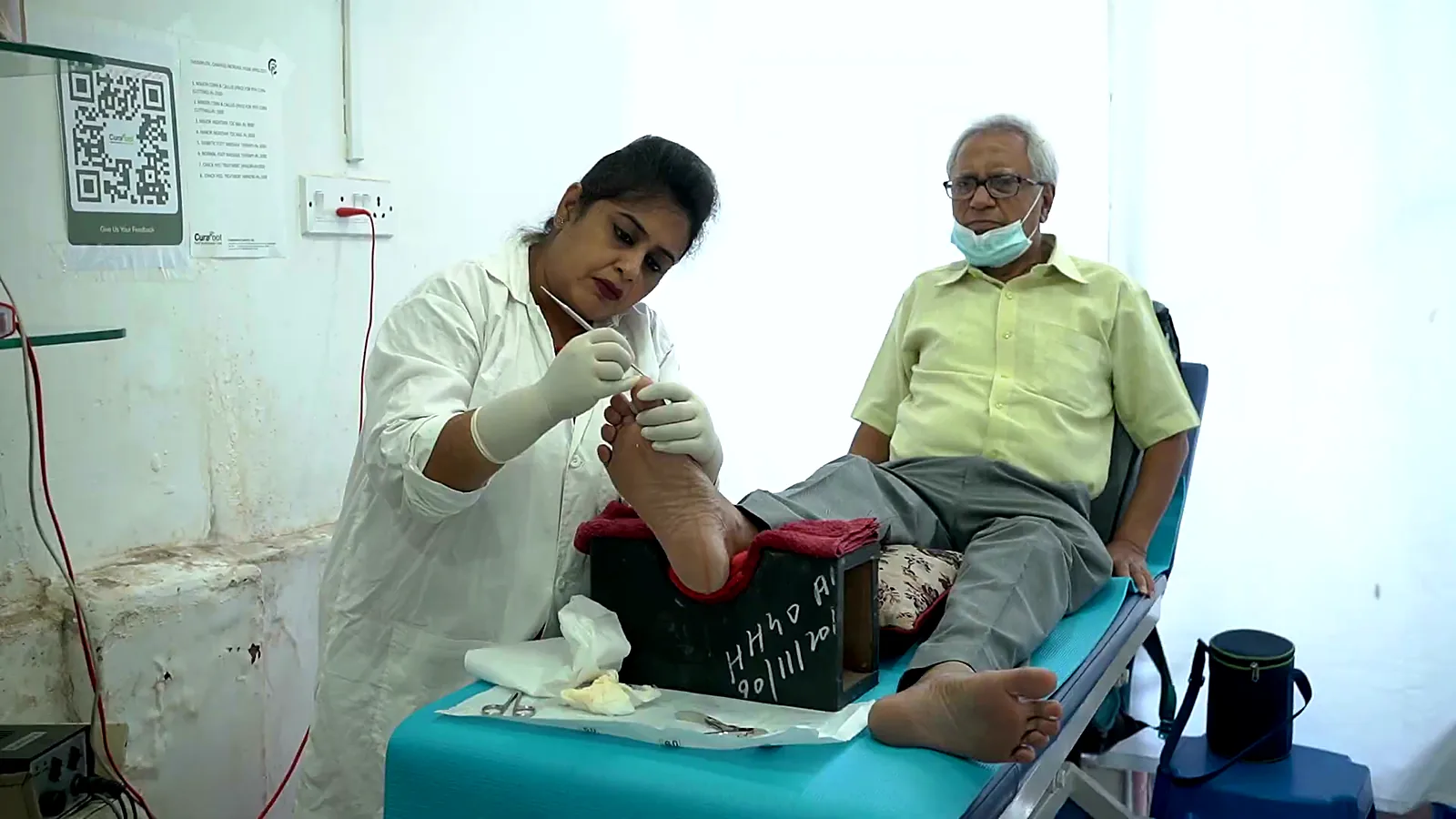
Regular visits to a podiatrist are essential for monitoring any new pressure points or injuries that may develop. Foot health is achieved through the cleanliness and dryness of the feet, coupled with proper protection. With such focused care, complications are prevented, while the well-being and health of the feet are enhanced.
Charcot foot is a condition that progressively deteriorates. Early diagnosis and stringent treatment can avoid deformity, ulceration, and amputation.
Closing Thoughts
We hope that from reading this article, you will have a thorough understanding of Charcot foot. If you are experiencing this problem and wish to visit a reputable foot clinic, then CuraFoot is the one to assist you. We have experienced professionals who offer the finest treatment at a reasonable cost. So, please book an appointment with us now.