Diagnosis and Care of Sports-related Injuries and Conditions.
Call 062923 00396 * http://www.curafoot.in * support@curafoot.in
Curafoot Advisory: Feet are the Most Important Assets for Sportsmen
Yes, assets. A sportsman who has painful feet cannot be a sportsman. It is as simple as that. Healthy feet are like having wealth and a healthy bank balance. Without the stability of healthy feet, your legs cannot work efficiently. Unfortunately, foot injuries are common in athletes, particularly if you are a runner, play field games such as soccer or hockey, or are a gymnast.
The Most Common Injuries Among Sportsmen
• Foot or toe contusions
• Midfoot injuries
• Plantar fascia injuries
• Turf toe
• Metatarsal fractures
Foot or Toe Contusions
A foot or toe contusion is a bruise caused by direct trauma (dropping an object, stubbing, or stepping on something), resulting in pain, swelling, and color changes (blue, purple, or yellow). Treatment primarily involves the RICE method (Rest, Ice, Compression, Elevation) to manage pain and swelling. While most heal in a few days to weeks, severe pain or inability to bear weight warrants medical attention to rule out fractures.

Midfoot Injuries
The midfoot is the middle region of the foot, where a cluster of small bones forms the arch on the top of the foot. From this cluster, five long bones (metatarsals) extend to the toes. The bones are held in place by strong ligaments, known as the Lisfranc joint complex, that stretch both across and down the foot. However, there is no connective tissue holding the first metatarsal to the second metatarsal. A twisting fall can break or shift (dislocate) these bones out of place.
Lisfranc (midfoot) injuries result if bones in the midfoot are broken or the ligaments that support the midfoot are torn. Midfoot fracture dislocations are named after French surgeon Jacques Lisfranc de St. Martin, who served in the Napoleonic army in the 1800s and observed midfoot injuries in cavalry soldiers.
The severity of a Lisfranc injury can vary widely — from a simple injury involving one midfoot joint to a complex injury involving many midfoot joints and broken bones. A simple Lisfranc injury can be easily mistaken for a sprain, especially if the injury is a result of a straightforward twist and fall. However, injury to the Lisfranc joint is not a simple sprain that should be “walked off” or expected to heal quickly. Even a simple Lisfranc injury is a severe injury that may take many months to heal and may require surgery to treat.

Plantar Fascia Injuries
Plantar fascia injuries in sports, primarily plantar fasciitis (chronic irritation) or rare ruptures, are common overuse injuries caused by repetitive strain, often resulting in heel pain (commonly called “runner’s heel”) that is worst in the morning or after resting. They are prevalent in runners, dancers, and jumping athletes (soccer, basketball, due to high-impact stress, tight calf muscles, or improper footwear. Treatment usually involves rest, ice, stretching, physical therapy, and sometimes orthotics, with surgical intervention only as a last resort.
Common Injuries and Symptoms
- Plantar Fasciitis: This is an overuse injury causing micro-tears and inflammation in the band of tissue connecting the heel to the toes. It is characterized by sharp, stabbing pain in the heel, particularly with the first few steps in the morning or after sitting for a long time.
- Plantar Fascia Rupture: A more severe, though less common, injury characterized by an intense tearing sensation, sudden pain in the arch, swelling, and bruising. This often occurs in individuals with a history of chronic plantar fasciitis or after corticosteroid injections.

Turf Toe
Turf Toe is a sprain of the ligamentous structures in the big toe’s metatarsophalangeal (MTP) joint, caused by forced hyperextension, common in athletes on hard, artificial surfaces. Symptoms include sudden pain, swelling, and stiffness at the base of the toe. Treatment involves RICE (rest, ice, compression, elevation), stiff-soled shoes, and, for severe cases, potential surgery.
Key Aspects of Turf Toe
- Symptoms: Intense pain, swelling, and limited movement of the big toe, often with bruising.
- Grading & Severity:
o Grade 1: Stretched tissue, mild tenderness, and slight swelling.
o Grade 2: Partial tear, moderate pain, swelling, and reduced range of motion.
o Grade 3: Complete tear, severe pain, and significant swelling, often preventing movement. - Causes: Occurs when the forefoot is planted and the heel is raised (e.g., during a push-off) while the toe is forced into hyperextension.

Metatarsal Fractures
A metatarsal fracture is a common break in one of the five long bones in the midfoot, often caused by direct trauma (dropping something on the foot) or repetitive stress. Symptoms include localized swelling, pain, bruising, and difficulty walking. Treatment typically involves immobilization in a cast or boot, rest, and crutches, with healing usually taking 6 weeks to several months.
Types of Metatarsal Fractures
- Acute Fracture: Caused by sudden, direct impact or twisting, often in the 5th metatarsal.
- Stress Fracture: Small cracks caused by repetitive strain, often in the 2nd-4th metatarsals.
- Jones Fracture: A break in the base of the 5th metatarsal that can be slow to heal.
- Avulsion Fracture: A tendon pulls a small piece of bone away from the base of the 5th metatarsal.

Please visit the Curafoot Clinic if you are a sportsman and have hurt your foot. Do not delay and let the symptoms get worse and please do not try to treat yourself as that may really make your condition worse.
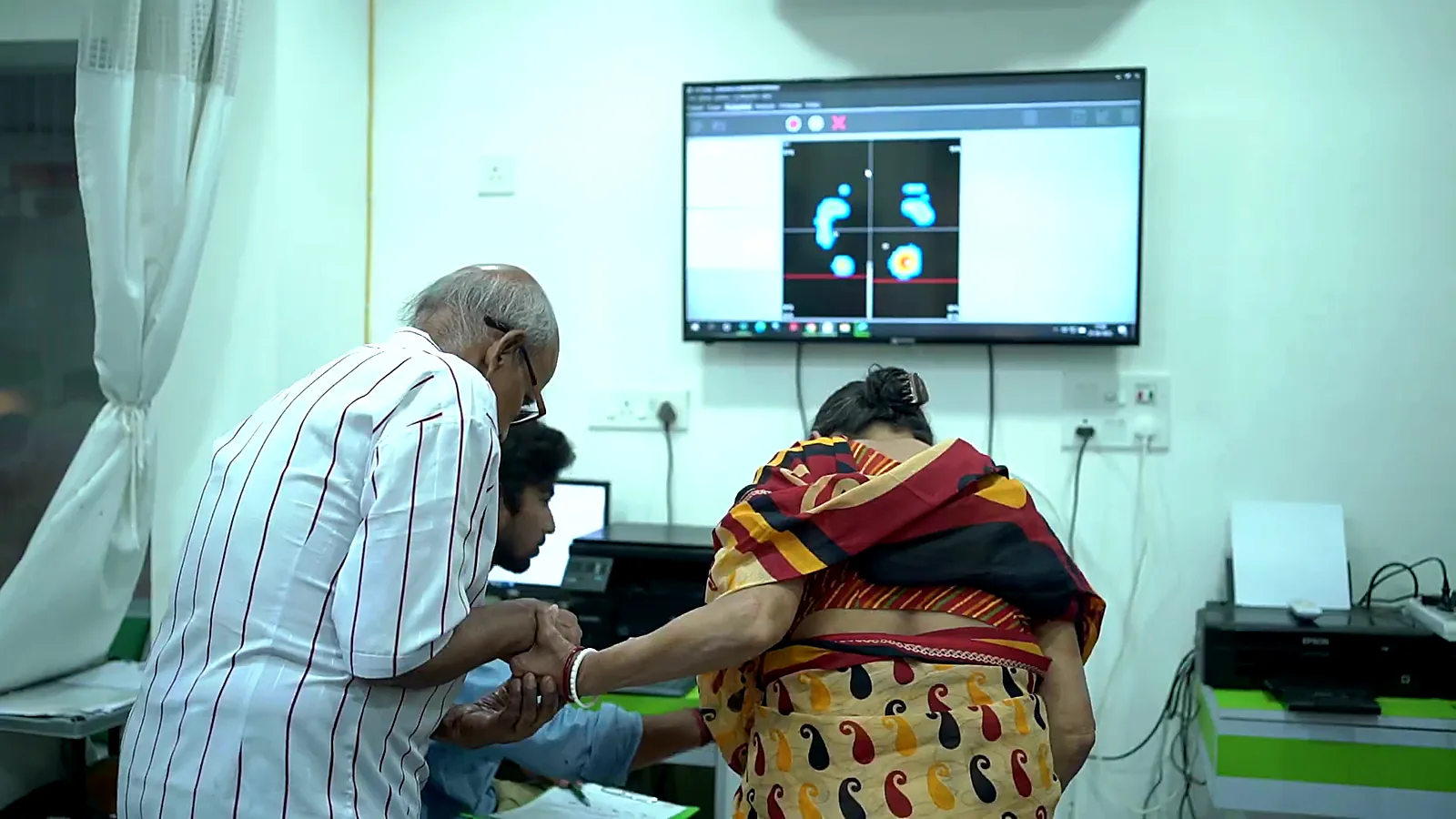
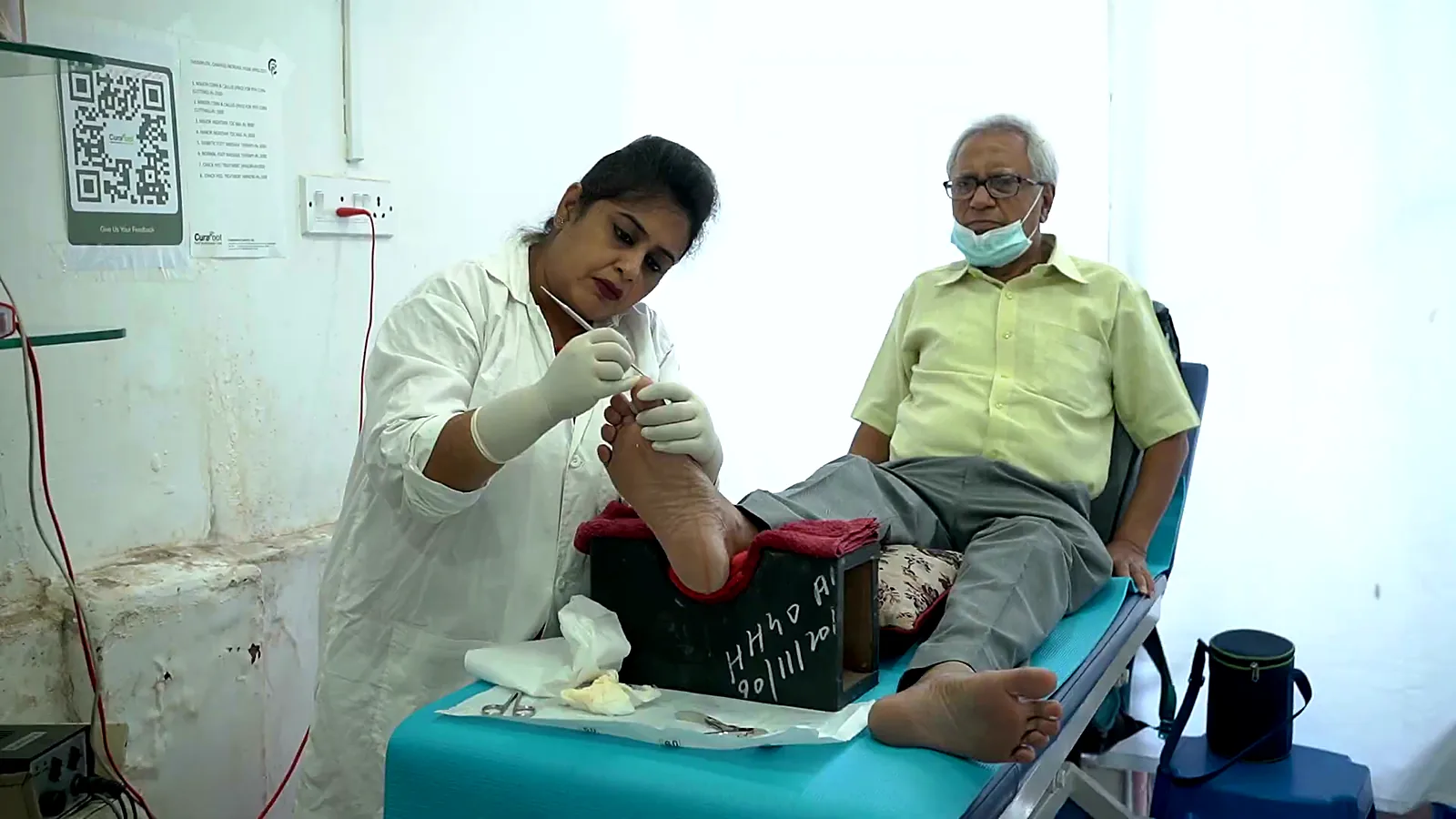
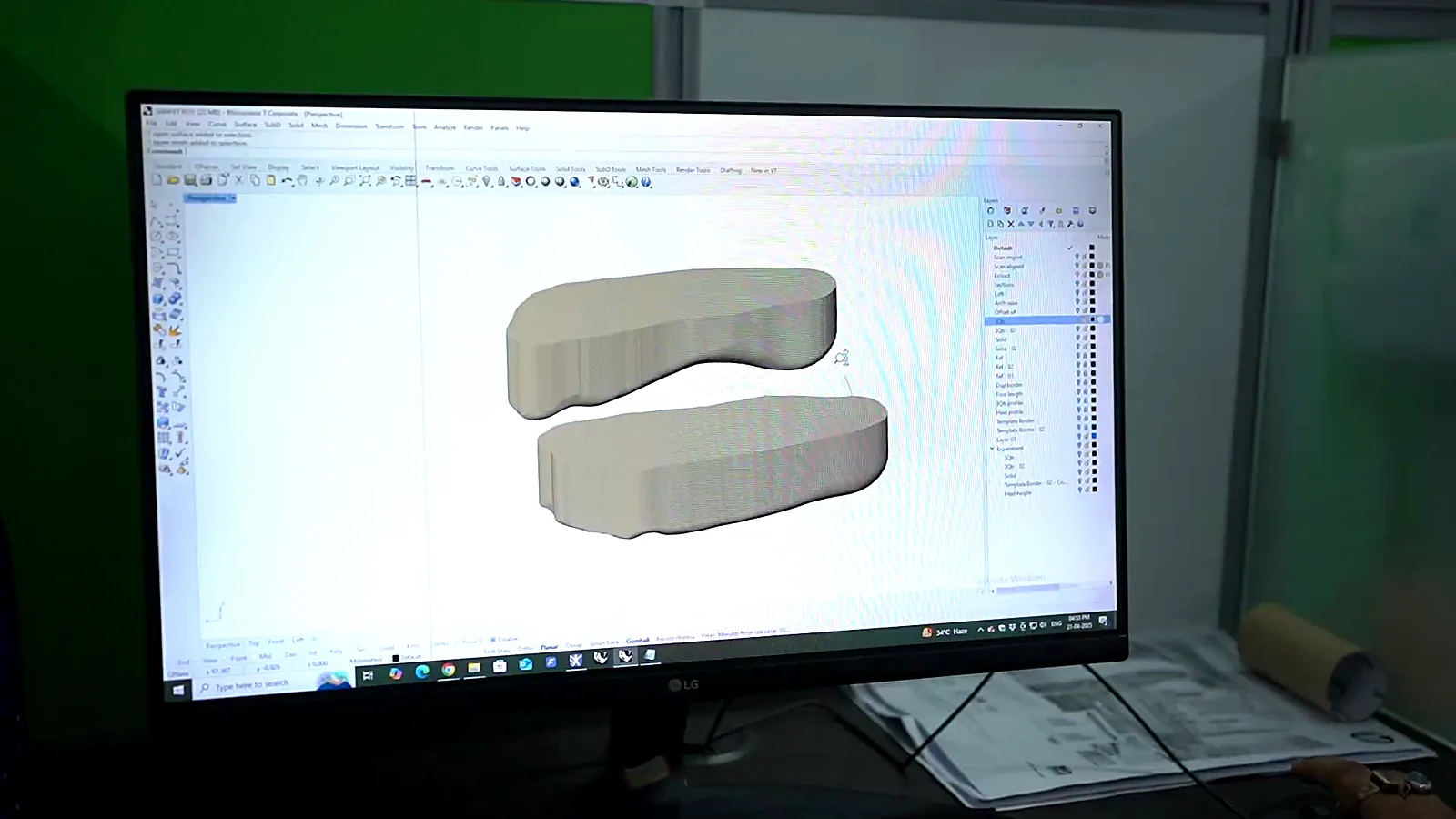
Curafoot Clinic with its combination of Foot Health specialization through Orthotics, Podiatry and Prosthetics plays a major role in detecting, diagnosing, and helping patients manage different Foot Conditions. The Clinic designs and manufactures Custom-Fit Insoles and Offloading Shoes.
Book your Appointment at the Curafoot Clinic Today.