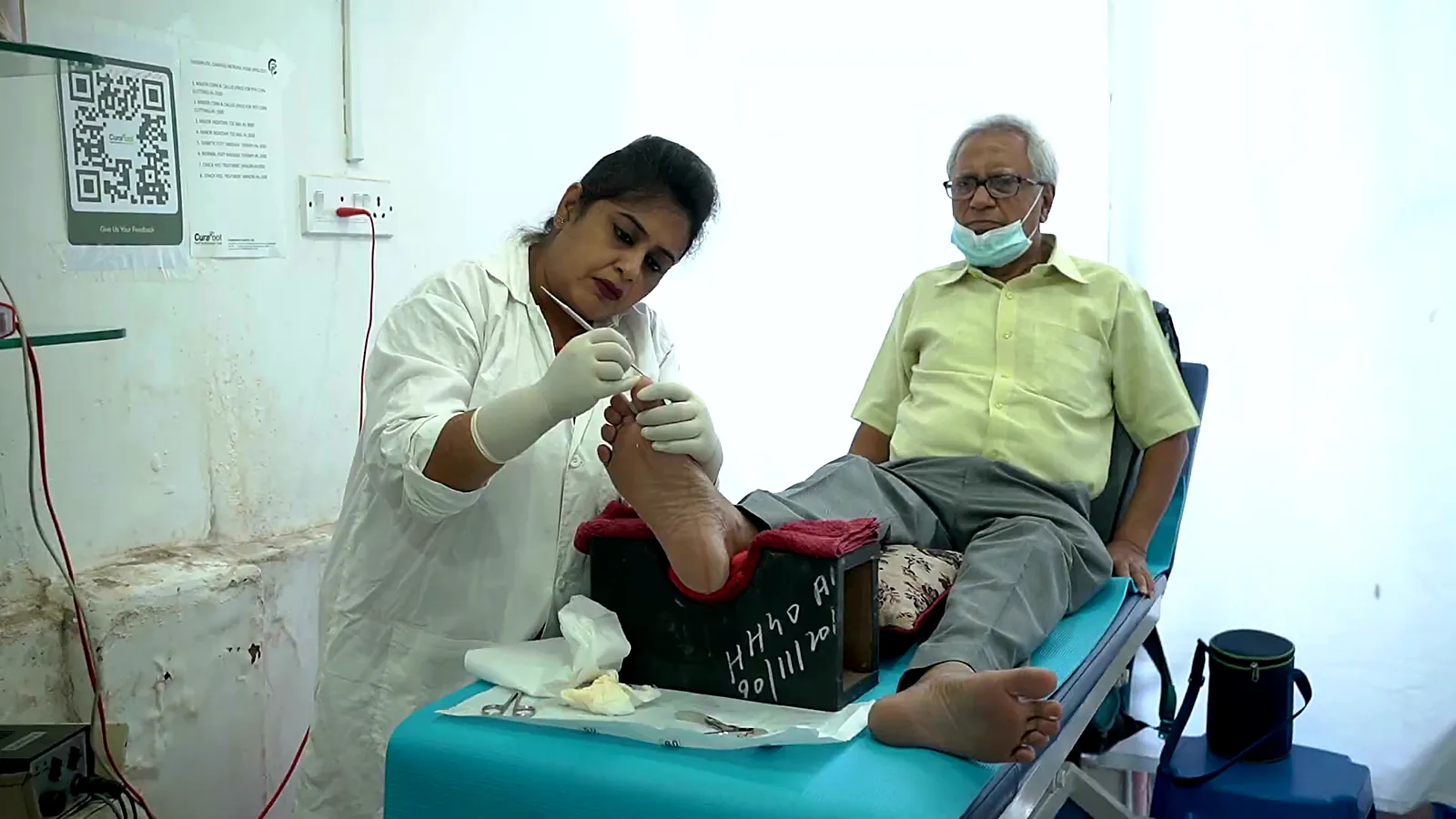
Fungal infections of the nail, also known as onychomycosis, are a common condition that affects millions of people worldwide. This condition occurs when fungi, such as dermatophytes, invade the nails and surrounding tissues, causing a range of symptoms that can be both uncomfortable and unsightly. In this blog, we’ll take a closer look at the symptoms and treatment options for fungal infections of the nail.
Symptoms of Fungal Infections of the Nail
The symptoms of a fungal infection of the nail can vary depending on the severity of the infection. Some common symptoms include:
- Thickening of the nail
- Discoloration of the nail, typically yellow or brown
- Brittle or crumbly nails
- Separation of the nail from its nail body
- Foul odor
- Discomfort in the affected area
It’s important to note that not all cases of thick, discolored, or brittle nails are due to a fungal infection. Other conditions such as psoriasis or trauma to the nail can also cause similar symptoms. Therefore, it’s essential to consult a podiatrist for a proper diagnosis.
Treatment Options for Fungal Infections of the Nail
There are several treatment options available for fungal infections of the nail, including:
Topical Antifungal Medications – Over-the-counter antifungal creams and ointments can be applied directly to the affected area. These medications work best for mild cases of fungal nail infections.
Oral Antifungal Medications – If the infection is severe or not responding to topical treatments, oral antifungal medications may be prescribed by a podiatrist. These medications are typically taken for several weeks to several months and can have potential side effects that need monitoring.
Laser Therapy – Laser therapy has become an increasingly popular treatment option for fungal nail infections. The laser targets the fungi and damages their cell walls, destroying them. It requires multiple sessions for optimal results.
Surgical Intervention – In rare cases where the infection is severe and causing significant pain, surgical intervention may be necessary. This typically involves the removal of the infected nail or the affected nail bed.
Preventing Fungal Infections of the Nail
Preventing fungal infections of the nail is much easier than treating them. Here are some tips to help prevent the occurrence of nail fungus:
- Keep your feet clean and dry
- Wear breathable shoes and socks
- Change socks daily
- Avoid sharing personal nail grooming items
- Wear shower shoes in public showers
- Trim your toenails straight and keep them at a moderate length
- Use antifungal powder in your shoes
Fungal infections of the nail can be uncomfortable and unsightly, but with proper treatment, they can be effectively managed. If you suspect you have a fungal infection of the nail, consult a podiatrist for a proper diagnosis and treatment plan. Following prevention tips can reduce your risk of developing this condition and maintain healthy nails. At CuraFoot Clinic, our team of experienced podiatrists can help you with your nail health concerns. We offer a range of treatment options, including laser therapy, to help you get back to healthy and beautiful nails.
For more information call us at 062923 00396 or book an appointment now and get your foot checked today for better foot health.