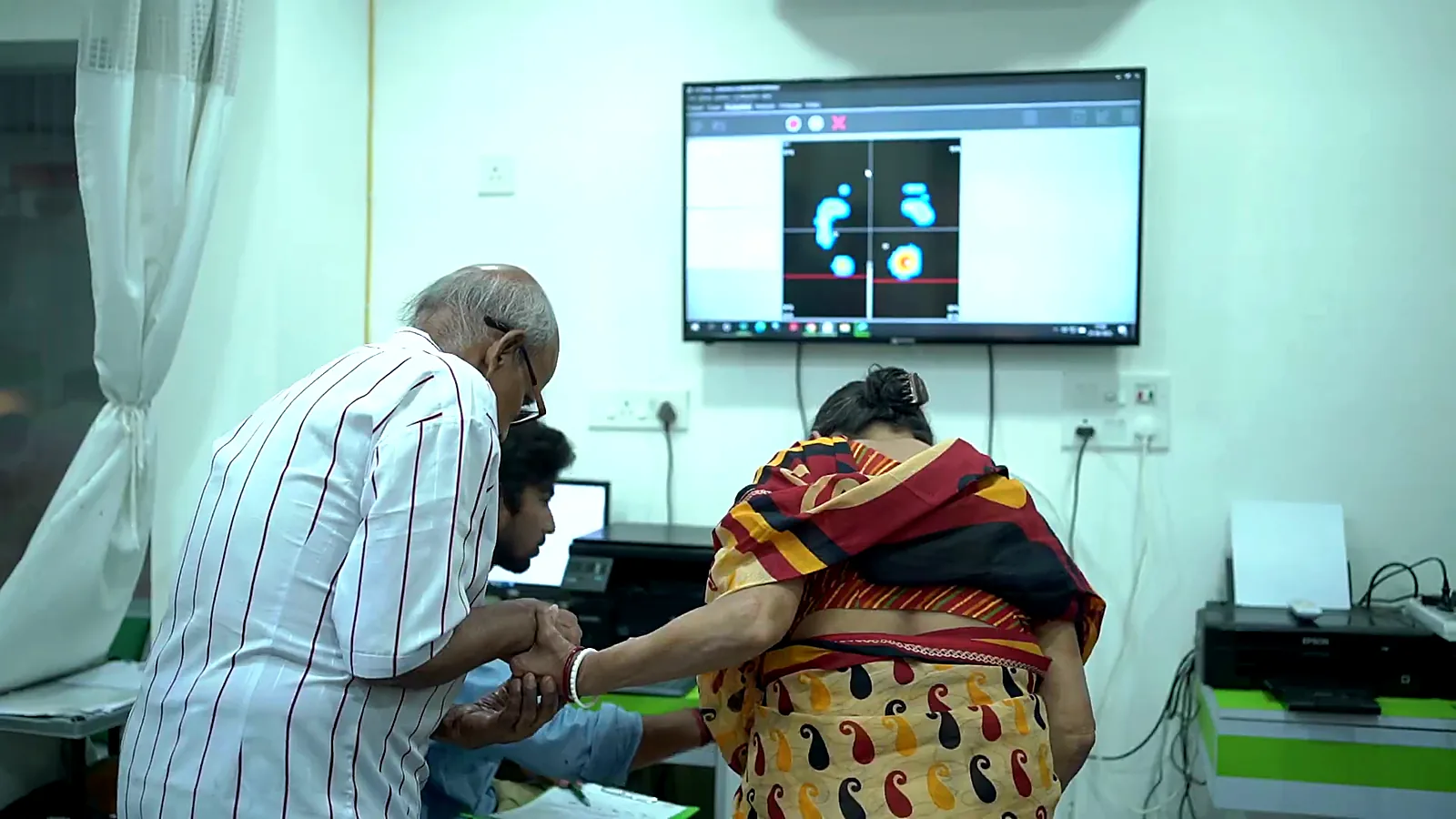
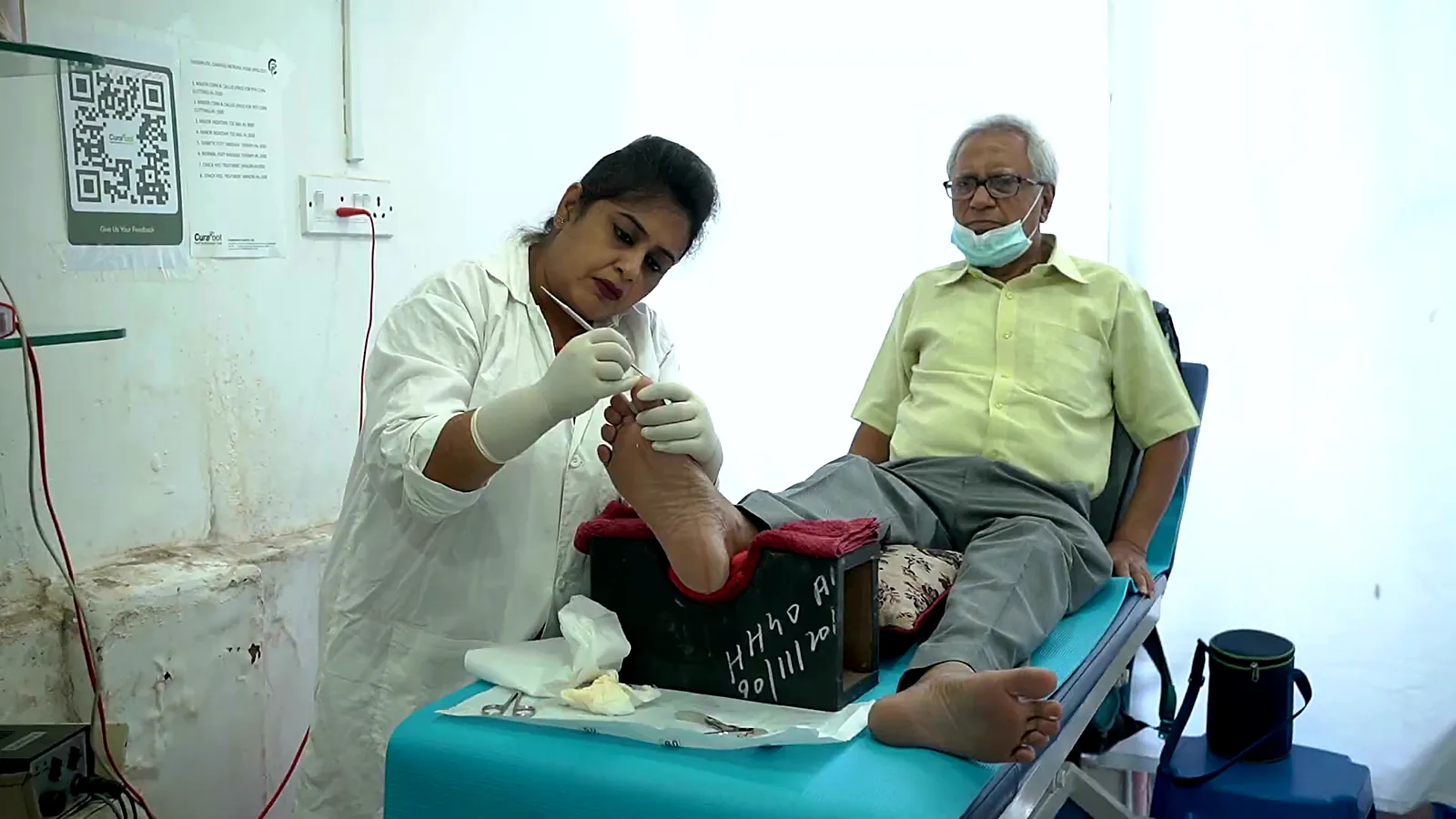
Consult Dr. Sonali Dey at Curafoot Clinic for Diagnosis & Treatment
Call 062923 00396 www.curafoot.in support@curafoot.in
For many people, aches and pains as they get older are common and mostly dismissed as “arthritis”. However, chronic pain is debilitating and if left undiagnosed and untreated can lead to serious problems. It also has nothing to do with age. Younger people can also live with chronic pain. Undetected pain can also result in different medicines being tried out as an experiment to treat different causes of the pain.
The sections in this article which within quotes are cited from Healthline: https://www.healthline.com/health/types-rheumatoid-arthritis#takeaway
“Rheumatoid Arthritis (RA) is a chronic condition that causes a variety of symptoms, including:
- joint pain
- joint stiffness
- limited mobility
- swelling
- fatigue
- feelings of discomfort or not being well
Your symptoms, risk of complications, and outlook with RA may depend on which type of RA you have.”
What is seropositive rheumatoid arthritis?
“Diagnosing RA typically involves a series of tests to confirm what doctors find on a clinical exam. These include blood tests that can determine if your body is actively producing an immune reaction to your healthy tissues. These tests check for antibodies — proteins your body produces as part of an immune response. A doctor may diagnose you with seropositive RA if you test positive for the following antibodies:
- rheumatoid factor (RF)
- anti-cyclic citrullinated peptide antibody (ACPA)
Having these antibodies doesn’t necessarily mean you have RA. However, if you do, it can help doctors identify the type. About 75-80% of people with RA are seropositive. People with seropositive RA may experience:
- more severe symptoms
- more significant bone erosion
- quicker disease progression
- more complications, like interstitial lung disease and atherosclerosis”
What is seronegative rheumatoid arthritis?
“People who test negative for RF and ACPA in their blood can still have RA. Diagnosis isn’t based on just these tests. Your doctor will also consider clinical symptoms, X-rays, ultrasound and other laboratory tests.
About 20% to 25% of people with RA test negative for RF and ACPA. They tend to have a milder form of the disease and a better response to treatment than those who test positive.
However, people with seronegative RA can sometimes experience a delay in diagnosis. Because of this delay, people with seronegative RA often have more severe RA symptoms when they first go to see a doctor.
People with seronegative RA sometimes test positive for antibodies later on. At this point, a doctor will change the diagnosis to seropositive RA”.
What is juvenile rheumatoid arthritis (juvenile idiopathic arthritis)?
“Juvenile idiopathic arthritis (JIA) was previously called “juvenile rheumatoid arthritis.” Medical professionals changed the name to distinguish it from RA since the cause is often unknown (“idiopathic”).
JIA is the most common type of arthritis in children. By definition, doctors diagnose JIA before age 16. Symptoms may be temporary or last for a lifetime. Similar to RA, symptoms of JIA include joint inflammation, stiffness, and pain. If the disease is severe, it can cause eye inflammation and interfere with a child’s growth and development”.
What conditions occur with or are confused with rheumatoid arthritis?
Autoimmune diseases share many common symptoms, making them particularly difficult to diagnose. People with one autoimmune disorder often develop another. Some conditions that are overlapping or often confused with RA include:
- lupus
- sjogren’s disease
- polymyalgia rheumatica
- fibromyalgia
- chronic fatigue syndrome
- neuropathy
- infections( hepatitis b and c, hiv, chikungunya, leprosy)
- Nutrient deficiency (Vitamin D deficiency)
- hypothyroidism
- depression
- crystal arthritis like gout

Does treatment differ for the different types of rheumatoid arthritis?
“RA treatment is similar, regardless of type. While there’s no cure for RA, treatment can relieve symptoms and help you live a relatively active life.
You’ll work closely with a doctor to determine the best course of action. Your primary doctor may refer you to a rheumatologist for treatment.
Treatment options for RA include
- over-the-counter anti-inflammatory drugs, such as ibuprofen, naproxen
- prescription corticosteroids to reduce inflammation and pain
- disease-modifying anti-rheumatic drugs (DMARDs) to slow the progression of the disease
- biologic response modifiers, which target specific parts of your immune system to stop inflammation
- surgery if RA causes permanent joint damage
Research suggests that people with seronegative RA respond better to medications like DMARDs, even if they have more severe symptoms than people with seropositive RA.”
Self-care tips for RA
Along with medication, lifestyle modifications can reduce symptoms of RA. Self-care home treatments can also help improve your quality of life.
For example, a diet rich in antioxidants can reduce inflammation and pain. Increasing your intake of vegetables, fruits, and fish can also help ease symptoms.
Other lifestyle changes to improve symptoms of RA include:
- increasing physical activity as you are able
- using heat and cold therapy
Managing pain in RA
Pain in RA is not only due to joint damage or very active disease. In addition to joint damage, RA pain can come from soft tissue injury around the joint, such as tendinitis or bursitis, or mechanical wear and tear from cartilage loss, which is the condition of osteoarthritis (OA).
RA pain may also come from central sensitization, where pain can stem from abnormal processing of pain pathways from the brain. So, there may not be any actual joint damage but still joint pain. This could be chronic pain or fibromyalgia.
To add to the complications of managing RA pain, arthritis pain is variable, fluctuating with disease activity, stress levels, and even weather changes. The complexity of pain in RA includes both nociceptive and neuropathic components, making it a multifaceted experience that requires comprehensive management beyond just treating joint inflammation in some cases.
The challenges of living with pain in RA
Pain from rheumatoid arthritis can be intermittent and can occur at any time. This can be difficult to manage and even explain, when people are working or in societal situations.
RA and other forms of inflammatory arthritis are often considered “invisible diseases” because the debilitating pain and fatigue that people experience may not be apparent to others, including healthcare providers.
When the manifestations of a disease are not overtly apparent, it can be difficult for others to understand the pain a patient may feel. The invisibility can lead to underestimation of the severity of the disease, delays in diagnosis, and inadequate pain management.
Many RA patients face skepticism about the legitimacy of their pain, especially when there is a lack of visible joint deformity or radiographic evidence in the early stages of the disease. Moreover, societal stigma associated with chronic pain conditions can lead to patients feeling dismissed or misunderstood, further complicating their journey to receive appropriate care.
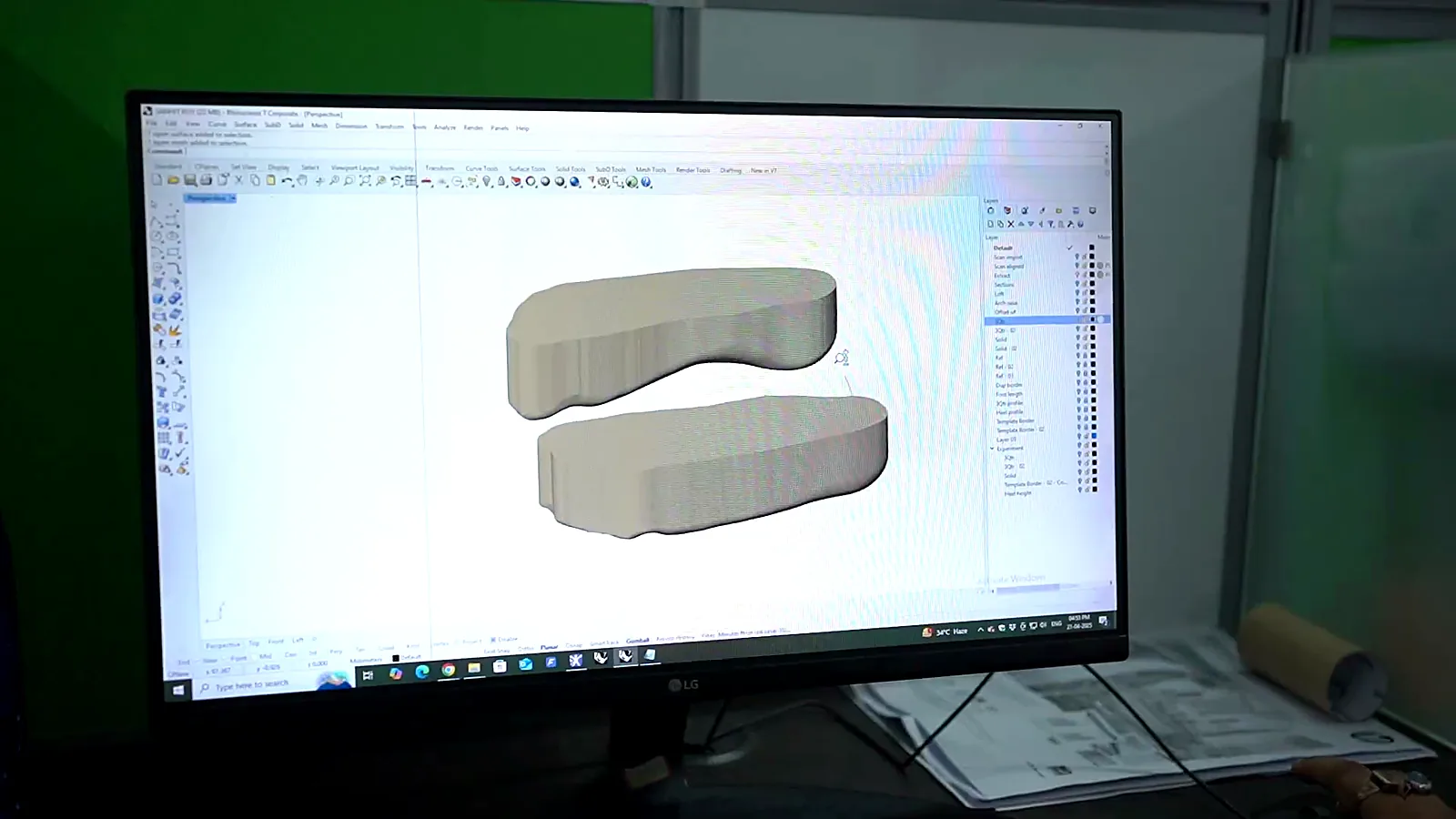
Curafoot Clinic offers Diagnosis and Treatment for foot and ankle problems, plus Orthotics, Podiatry and Prosthetics.
Consultations on Rheumatology and Autoimmune Conditions with Dr. Sonali Dey are also available on Tuesdays, 2 pm – 3 pm.