What are shin splints?
Shin splints (medial tibial stress syndrome) is pain along the inner edge of the shin bone (tibia), where the muscles of the lower leg attach. It happens when the bone and the tissues around it are loaded more than they can recover from. It is common in new runners, in people who increase their training quickly, and in football, basketball, dance and army or police training.
Shin splints symptoms
- A dull ache along the inner edge of the shin
- Pain that starts during exercise and may ease as you warm up, then returns
- Tenderness when you press along the shin
- Mild swelling over the sore area
- Pain the morning after a run
What causes shin splints?
Shin splints usually come from too much load too soon, for example:
- increasing distance, speed or hill running quickly
- running on hard surfaces
- worn or unsupportive running shoes
- flat feet or feet that roll in (overpronation)
- tight calf muscles
- a return to training after a break
When to see a foot doctor
- Pain at one small spot on the bone, rather than along the shin
- Pain when you rest, or at night
- Pain that makes you limp or stops you walking
- Swelling that is getting worse
- Numbness, tingling or a tight, swollen calf during exercise
- No improvement after two to three weeks of rest
Pain at one spot on the bone, especially at rest or at night, can be a stress fracture and needs an X-ray or scan.
How CuraFoot treats shin splints
At CuraFoot a foot doctor checks your legs and feet, how you walk and your running shoes, and asks about your training. Then:
Rest from the activity that hurts
Cut back running or jumping for a while and keep fit with cycling or swimming. An ice pack wrapped in a cloth can ease the pain after activity.
Scan, pressure map and gait
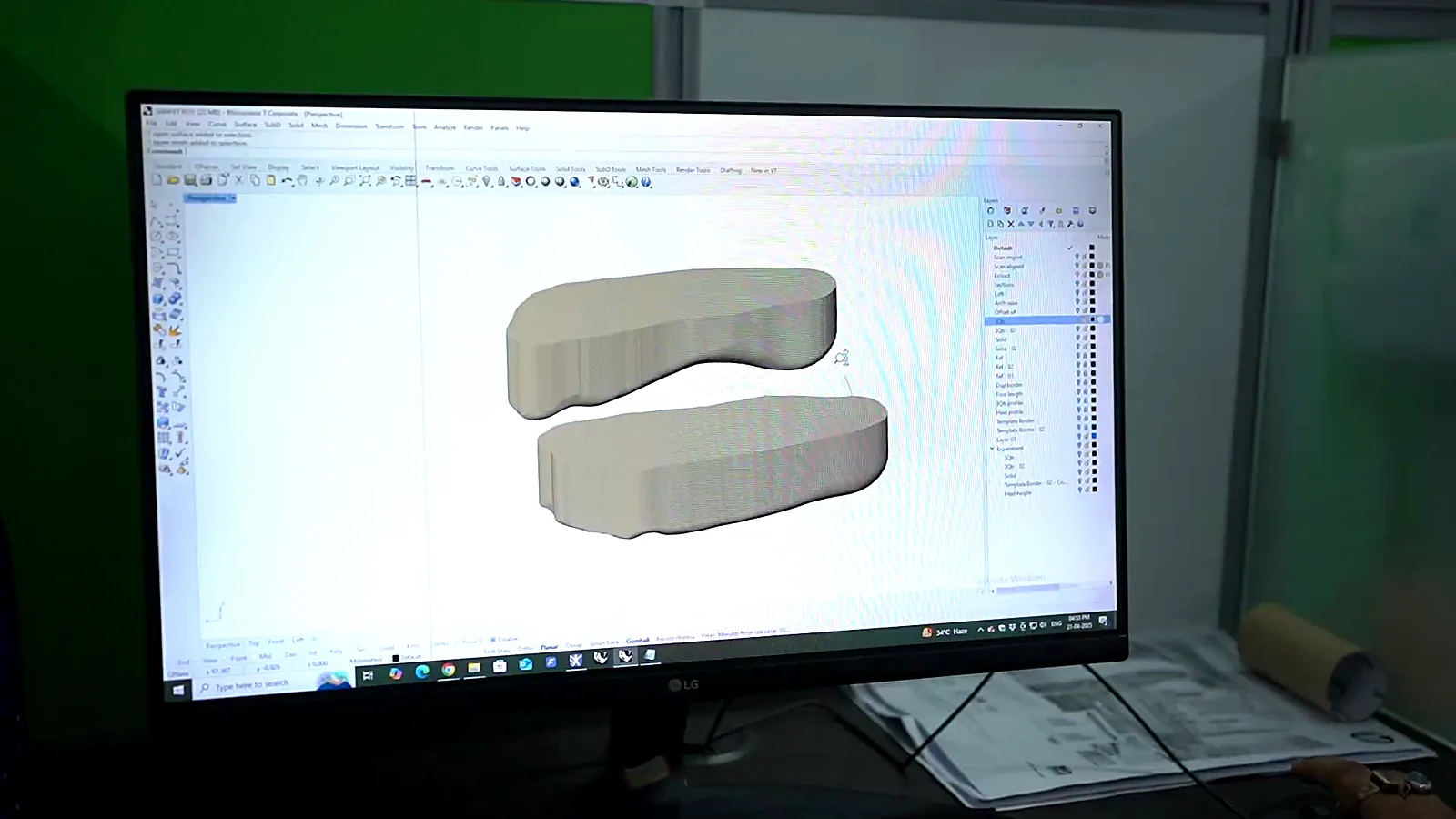
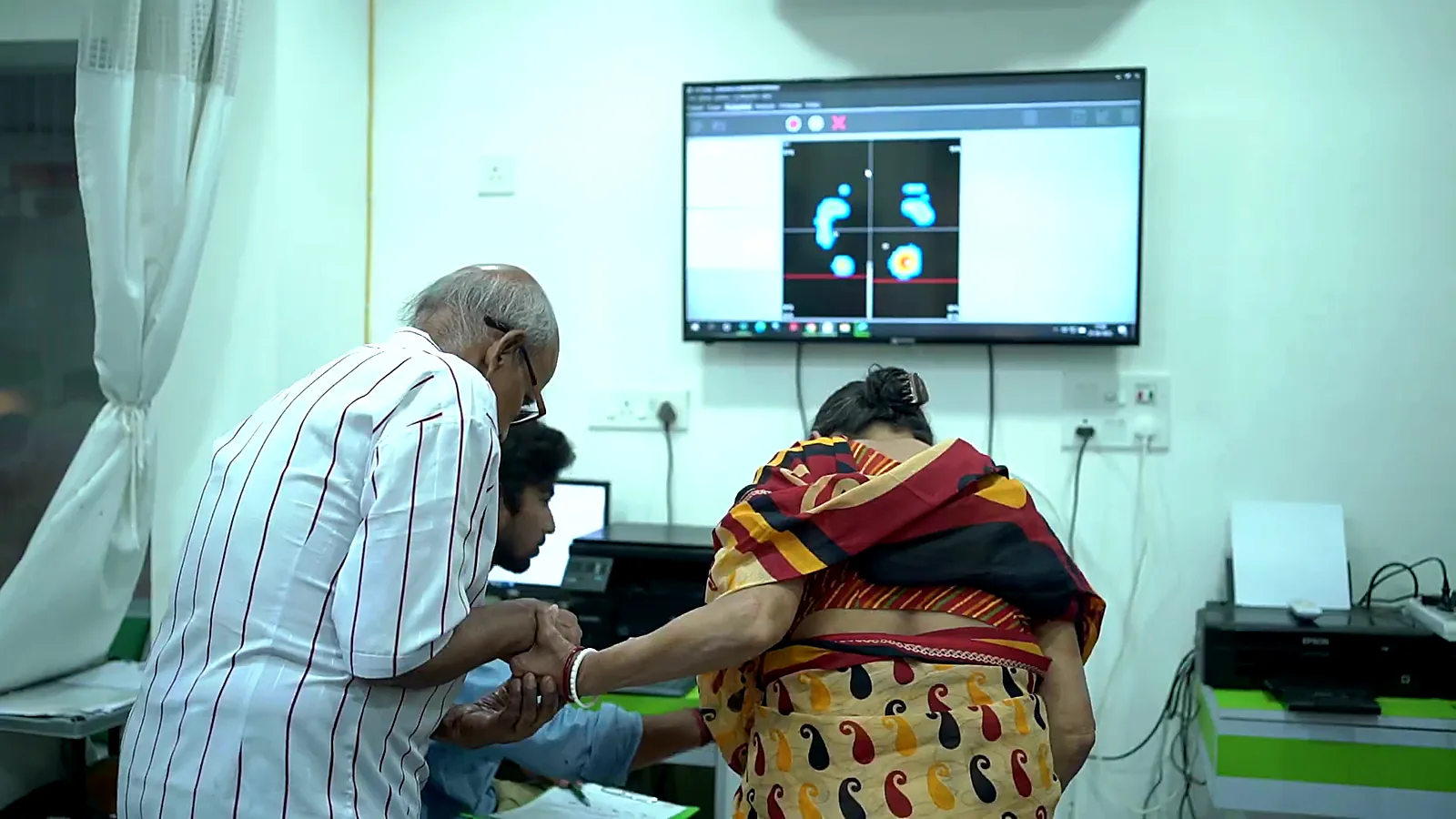
A 3D scan and pressure map and a gait analysis show how your feet take your weight.
Insoles and footwear
Custom insoles for your running shoes, and footwear advice, if flat feet or rolling in add to the load on the shin.
Physiotherapy and a return plan
Physiotherapy to stretch and strengthen the calf and hip muscles, and a step-by-step plan back to running.
More on sports injuries, stress fractures, flat feet and common running problems. Runners and players: see our Sports Injury Foot Clinic.