What is a stress fracture?
A stress fracture is a tiny crack in a bone, or a deep bruise in it, caused by repeated force rather than a single fall. It happens when a bone is loaded again and again faster than it can repair itself. In the foot it most often affects the metatarsals (the long bones behind the toes; a ‘march fracture’), the heel bone and the navicular bone, and in the leg the shin bone. Runners, dancers, soldiers and people who suddenly walk much more than usual are most at risk.
Stress fracture symptoms
- Pain that builds up during activity and eases with rest
- Pain at one spot on the bone that is tender to touch
- Swelling on the top of the foot or around the ankle
- Pain that comes on earlier in each run or walk
- Pain at rest or at night, as it gets worse
What causes a stress fracture?
Stress fractures come from repeated load the bone is not ready for, for example:
- a quick increase in running, walking or training
- running on hard surfaces
- worn or unsupportive shoes
- flat feet, high arches or a bunion that change how weight is carried
- low bone density (osteoporosis), or low vitamin D
- not eating enough for the training you do
- an earlier stress fracture
When to see a foot doctor
- Pain at one spot on a bone that gets worse with activity
- Swelling on the top of the foot
- Pain at rest or at night
- You cannot put weight on the foot
- Foot pain after a big increase in training or walking
Stress fractures do not always show on the first X-ray. If one is suspected, keep weight off the foot until it has been checked; an MRI or a repeat X-ray may be needed.
How CuraFoot treats a stress fracture
At CuraFoot a foot doctor examines the foot, tells you if you need an X-ray or scan, and works out why the bone was overloaded. Most stress fractures heal without surgery:
Rest from the activity
The bone needs a break from the load that caused it, usually for six to eight weeks, while you keep fit in ways that don’t hurt.
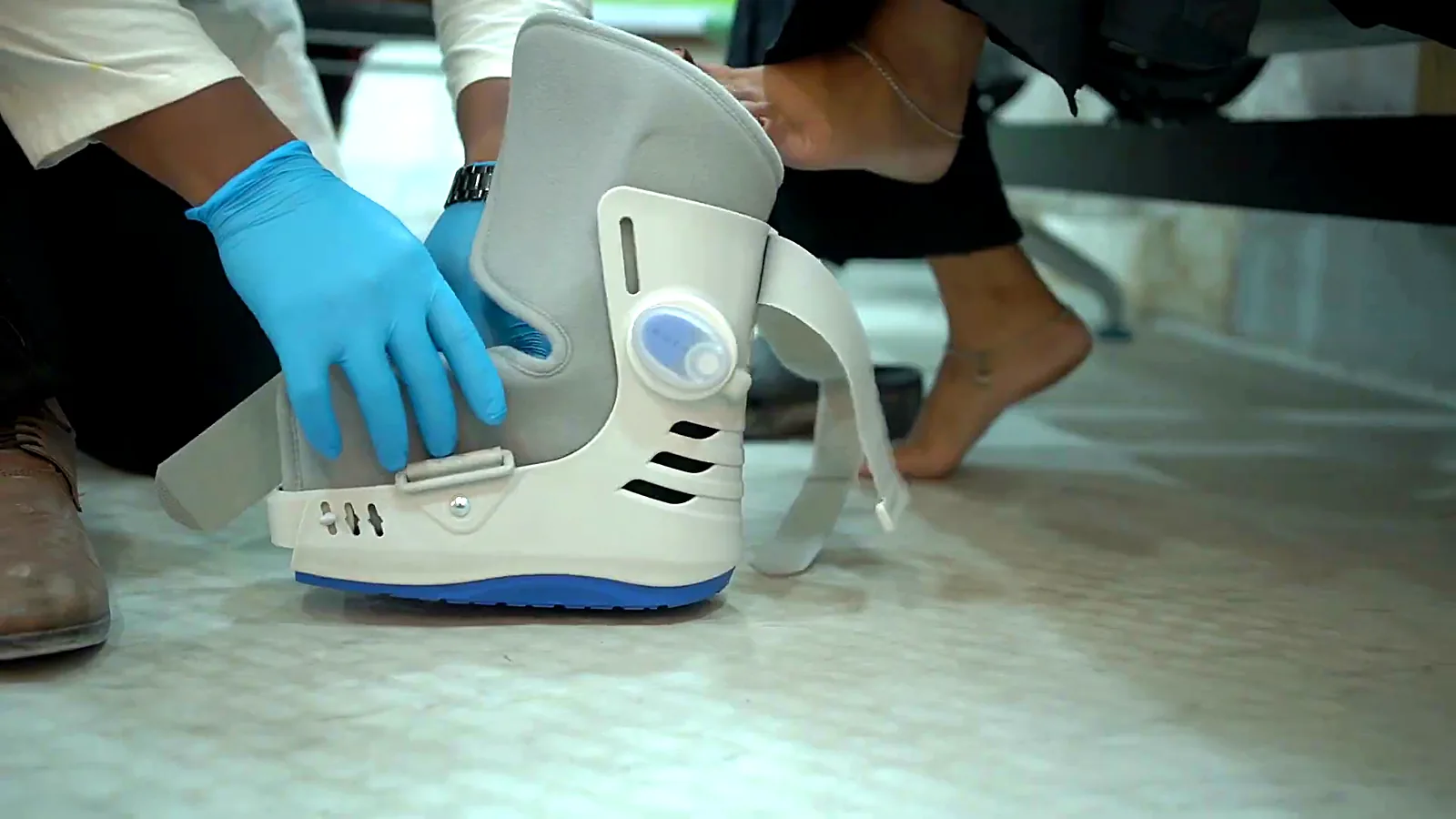
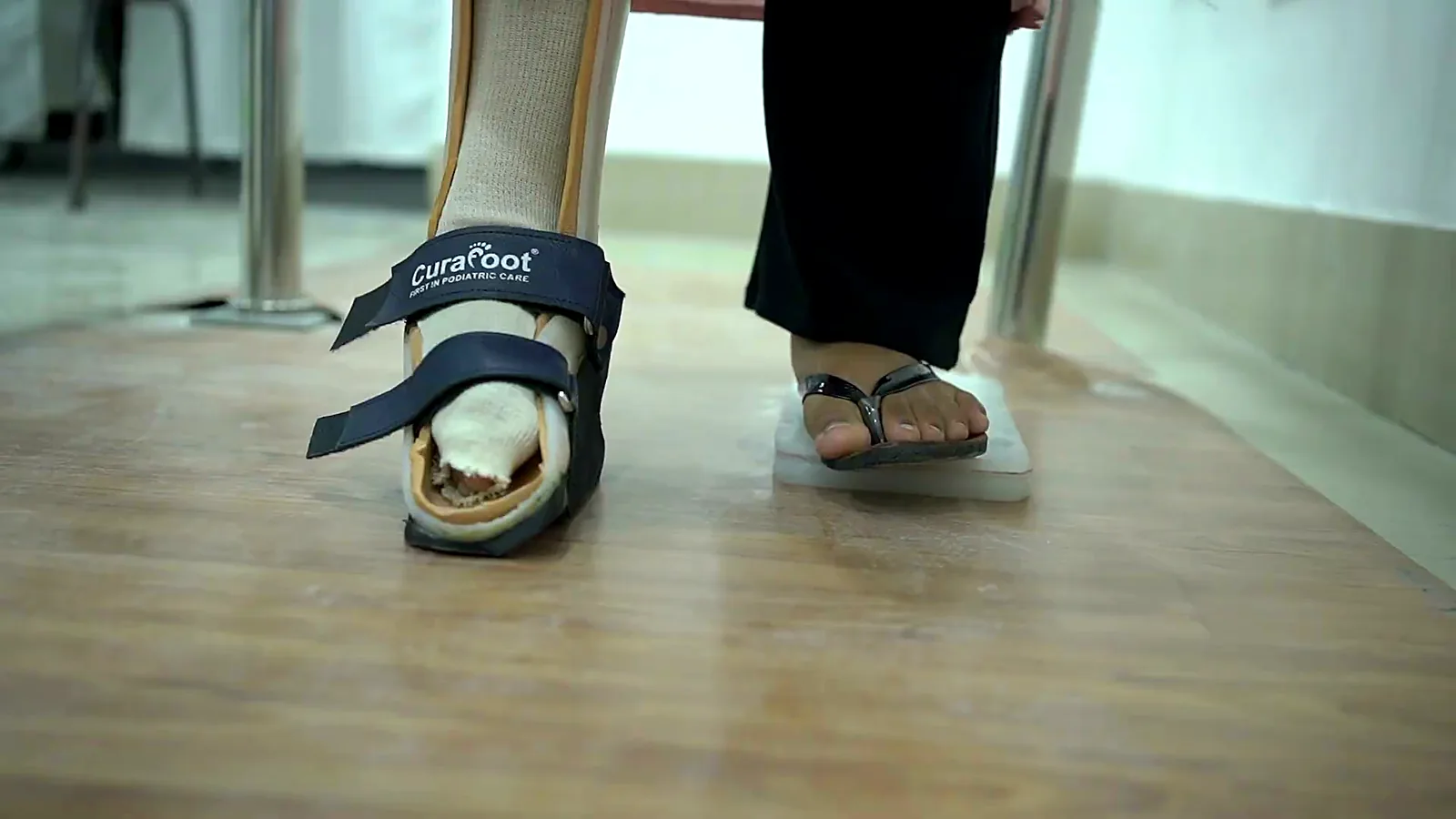
Walker boot or offloading
A walker boot, stiff-soled shoe or, sometimes, crutches protect the bone while it heals.
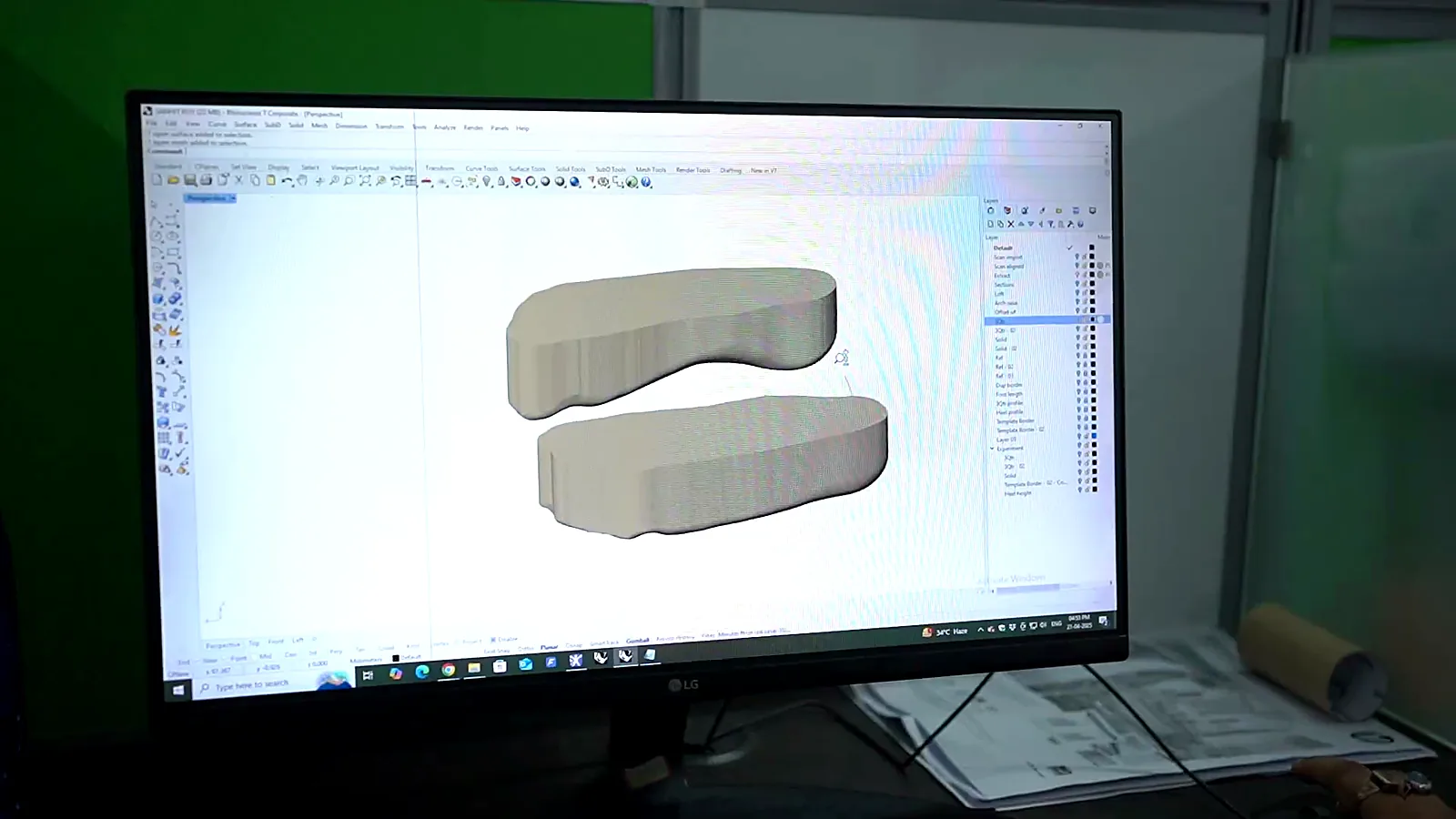
Insoles and footwear
Custom insoles and the right shoes spread pressure away from the overloaded bone, to stop it happening again.
A gradual return
Physiotherapy and a step-by-step plan back to running or sport, and a check of your bone health with your doctor if fractures keep happening.
More on foot and ankle injuries, shin splints, ball of foot pain and orthotics after fractures. Runners and players: see our Sports Injury Foot Clinic.