The Importance of Footcare in Athletics and Sports.
Call 062923 00396 * http://www.curafoot.in * support@curafoot.in
Curafoot Advisory: Foot care Tips for Sportsmen
Don’t neglect your feet. Feet carry the entire weight of the body and yet are often neglected. While no human being can afford to ignore painful feet, injuries or any kind of condition which makes walking and moving around difficult – sportsmen need to treat their feet like precious commodities. The time to think of your feet is not when you are in pain, limping around or having to tie bandages. But, several stages earlier.
First, The Basics of Foot Care
Wash and dry your feet daily
If you are a sportsman, foot hygiene is very important. Make sure you wash your feet thoroughly, including between the toes, and scrub the soles of your feet to remove grime and grit that otherwise might cause irritation and lead to corns or calluses.
Just as important as washing is drying. Be sure to pat off all moisture from your feet. Again, focusing on between your toes is important. Wet feet provide a breeding ground for fungi, such as those that cause athlete’s foot.
Cut nails straight across
Trim your toenails regularly to avoid catching overly long nails on fabric, or getting caught on your shoe. Make sure you cut them straight across, rather than on a curve. Straight cuts reduce the risk of developing a painful ingrown toenail.

Find the right shoes and socks
Socks help cut down the friction between your foot and your athletic footwear. This minimizes the risk of developing blisters as you run. Socks also protect your toenails from the constant rubbing against the inside of shoes.
Choose thin socks with moisture-wicking capabilities to keep your feet dry. Merino wool, bamboo, and some synthetics keep moisture away from your feet and let them breathe. Cotton socks absorb moisture instead of wicking it, which increases the risk of blisters.

Selecting the right shoes is also crucial for preventing foot injuries. Visit a specialty store to get your feet measured and fitted for athletic shoes. Ensure enough room in the toe box and that the shoes provide adequate arch support. Different sports require specific types of shoes.
For example, running shoes offer cushioning and support, while court shoes provide lateral stability for basketball and tennis. Regularly check your shoes for signs of wear and replace them when they lose their cushioning and support, typically after 300-500 miles for running shoes. Make sure you have about a thumb’s width of space between your big toe and the toe of the shoe. Your foot needs room to expand when it strikes the ground, and also room to move forward due to the momentum of your gait.
The heel should be tight. This helps keep your foot stable and prevents it from sliding around in your shoe, raising the risk of blisters.
Curafoot Clinic Consultation: Gait Analysis and Pedobarography
Gait analysis
At a premium footcare clinic like Curafoot Clinic, there is examination for gait analysis along with assessment of parameters such as:
- Gait velocity
- Stride length
- Step length
- Stance phases
- Swing phases
- Cadence
- Single support
- Double support
Pedobarography
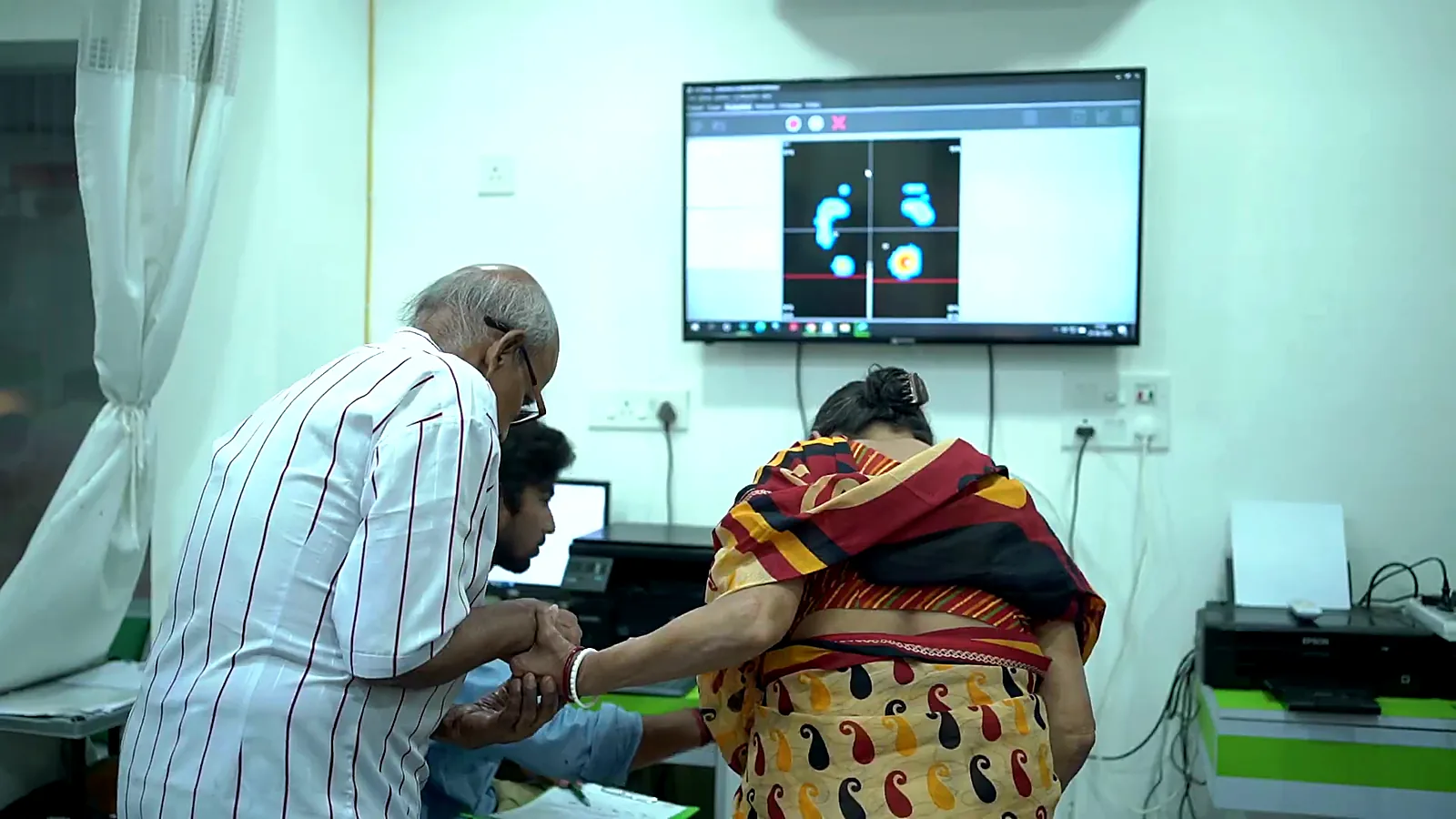
This is the study of pressure fields acting between the plantar surface of the foot and a supporting surface. Used most often for gait and posture biomechanical analysis, Pedobarography is employed in many applications, including sports biomechanics and gait biometrics.

https://clinic.curafoot.in/services/clinical-foot-assessment/
Diagnostic and Scanning Devices fall into two main categories: (i) floor-based, and (ii) in-shoe. The underlying technology is diverse, ranging from piezoelectric sensor arrays to light refraction, but the ultimate form of the data generated by all modern technologies is either a 2D image or a 2D image time series of the pressures acting under the plantar surface of the foot.
Pedobarography is also used in various other clinical situations, including diabetic foot, post-surgery biomechanical assessment, and orthotics design.
Curafoot Custom Orthotics to Maximize Sports Performance

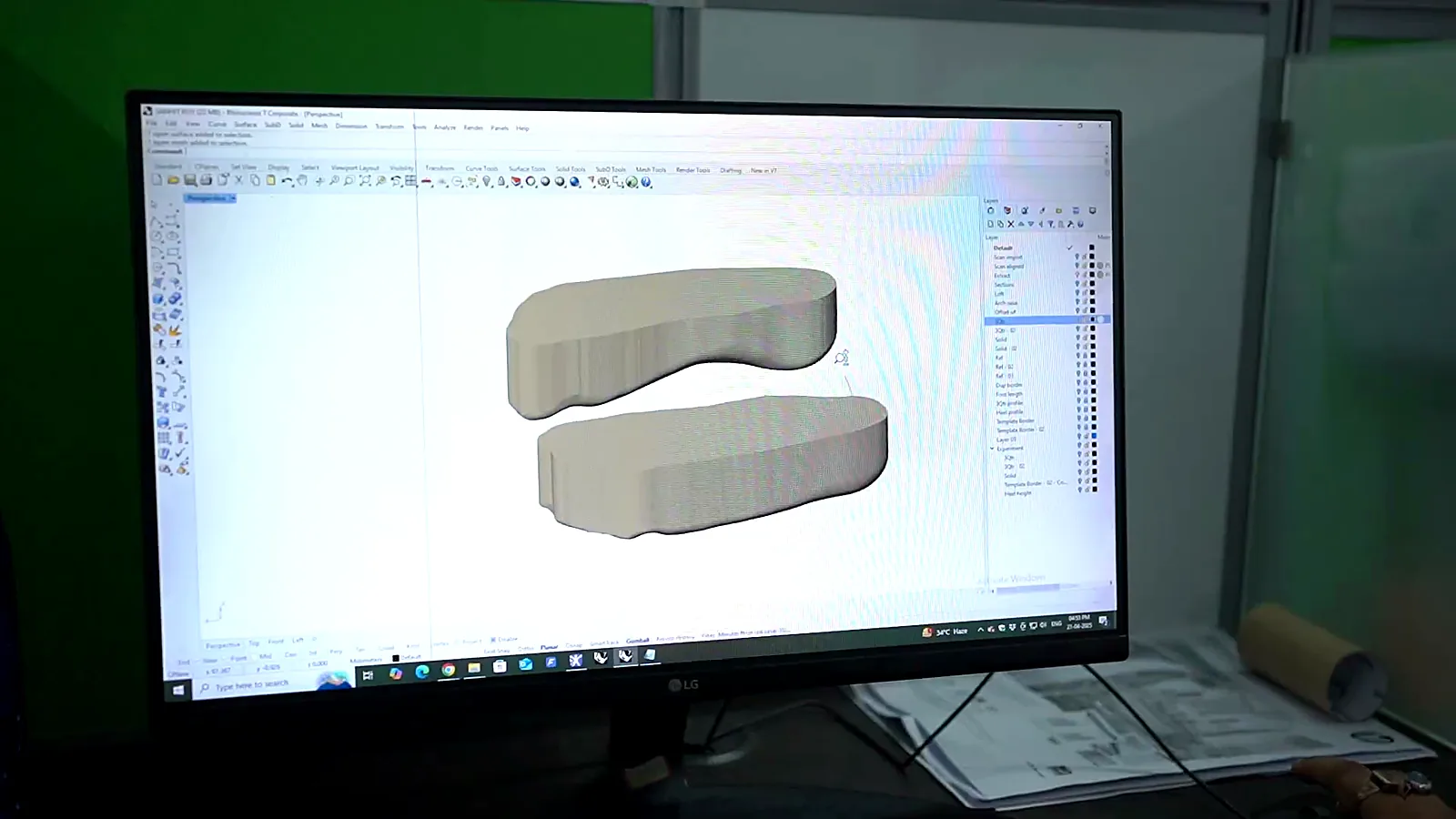
Curafoot Orthotics aren’t just for older people with foot pain. Sportsmen can benefit hugely from orthotics that ensure that your feet are perfectly aligned. Orthotics stop you from engaging in unhealthy pronation or other suboptimal movements that endanger your feet, ankles, knees, and hips. Orthotics can also increase your speed. Runners with customized orthotics report significantly higher running speeds when compared with runners who didn’t use them.
Curafoot Physio Tips to Strengthen Muscles and Heal Injuries
Before starting any exercises, please remember that you will be pulling on your already-painful and inflamed tissue. You can prepare for PT by soaking your foot in warm water and gently massaging it. Your therapist will probably encourage you to stretch beyond your comfort zone.
Some Basic Exercises
When you have heel pain or pain on the bottom of your foot from a damaged plantar fascia, the first step is to gently stretch out the tissue so it becomes resilient again. Not only is the plantar fascia itself tight, but a tight calf muscle may further pull on your painful tissue.

- Toe curls
Sit on a chair and place a small towel on the floor in front of you. Scrunch your toes on the towel and try to pull it toward you. Relax and let go of the towel. Repeat 10 times, 1-2 times daily.
- Wall stretches
Face a wall with your feet flat on the floor and place your hands on the wall. Bend the unaffected leg at the knee and lean toward the wall, so the calf on your affected leg is stretched. Hold for 30 seconds. Relax. Repeat 6 times a day.
- Rolling stretch
Sit in a chair and place a tennis ball or water bottle under your foot. Roll the ball/bottle back and forth under the arch to stretch the ligament. Roll for 3-5 minutes at a time, twice a day.
- Toe extension
Sit on the floor or on a chair. Cross your affected leg over the unaffected one. Use one hand to hold your toes and bend them and your ankle as far as you can. Use your free hand to massage your arch. Hold for 10 seconds. Relax. Continue for 2-3 minutes, 2-4 times a day.
- Step stretches
Stand on a step. Keep your unaffected foot flat on the step. Slide the other foot back until the ball of your foot is at the edge of the step. Lower that heel toward the floor until you feel a stretch in your calf. Hold for 30 seconds. Repeat 4-6 times a day.
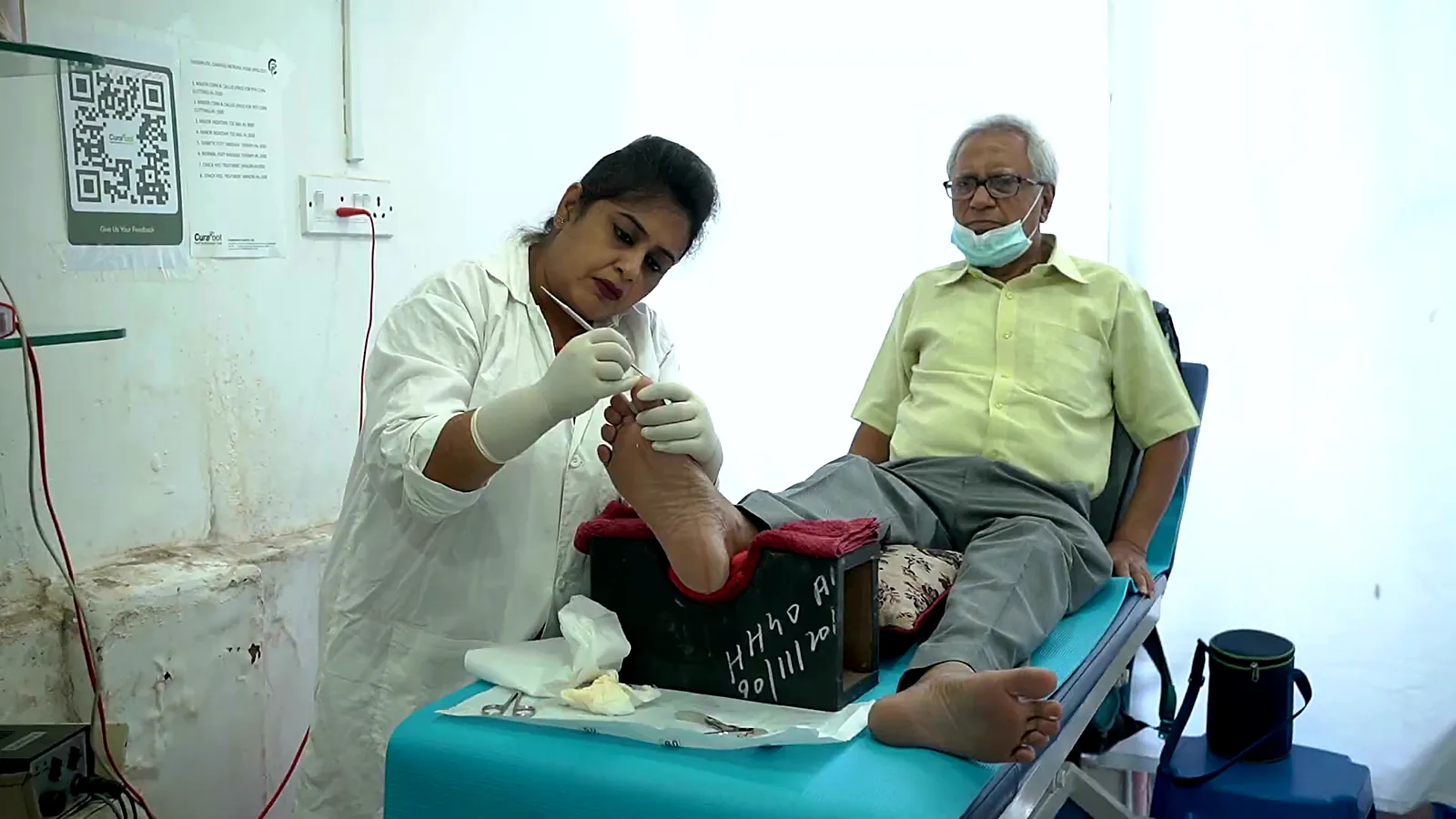
Curafoot Clinic with its combination of Foot Health specialization through Orthotics, Podiatry and Prosthetics plays a major role in detecting, diagnosing, and helping patients manage different Foot Conditions. The Clinic designs and manufactures Custom-Fit Insoles and Offloading Shoes.
Book your Appointment at the Curafoot Clinic Today.