Children’s Foot & Walking Clinic

Foot check-ups for children, from first steps to school sport, and insoles, splints and shoes made for growing feet.

Or call 062923 00396

4.7 from 731 Google reviews across our clinics

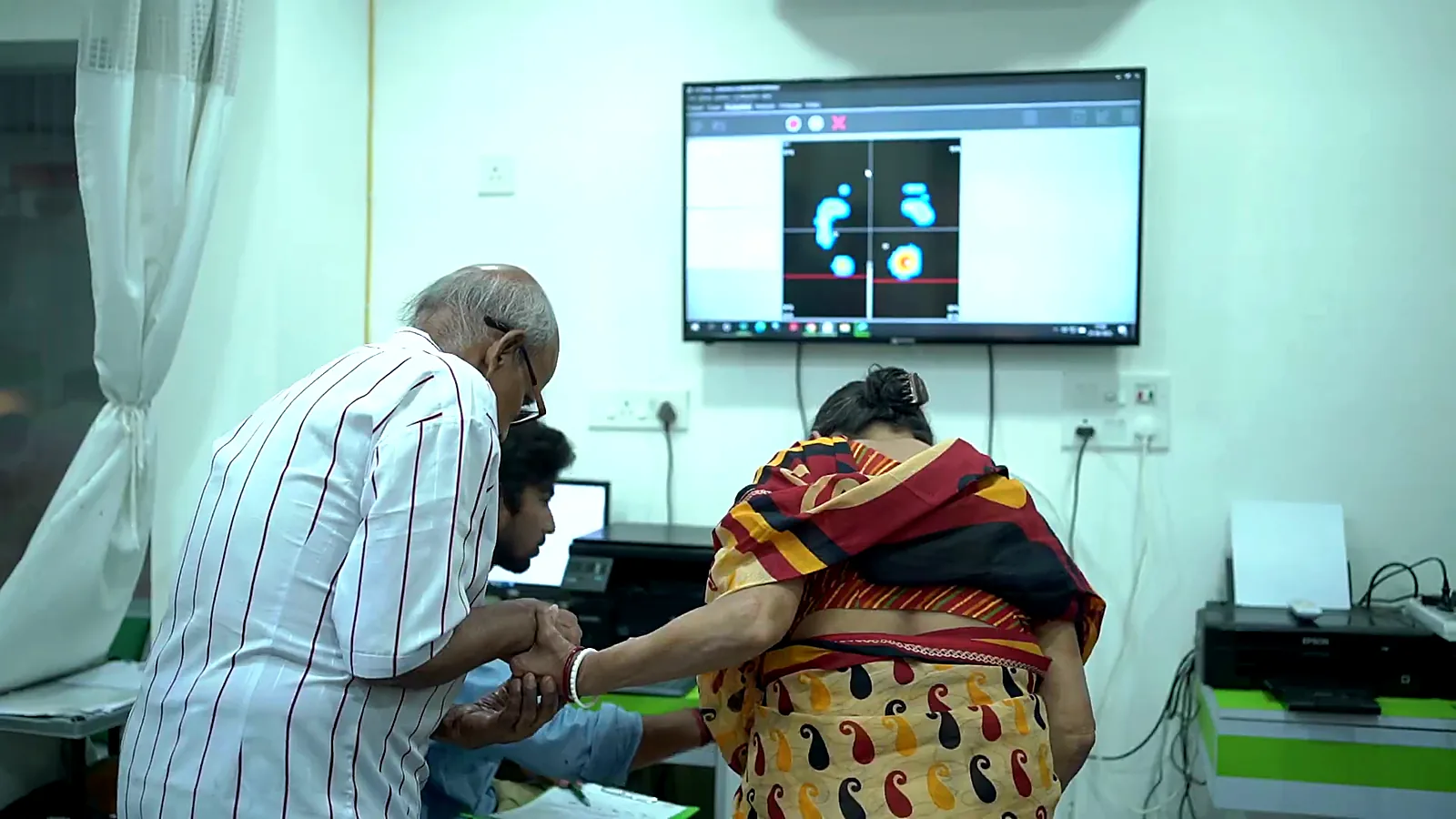
CuraFoot doctor examining a patient's foot with the foot scan on screen

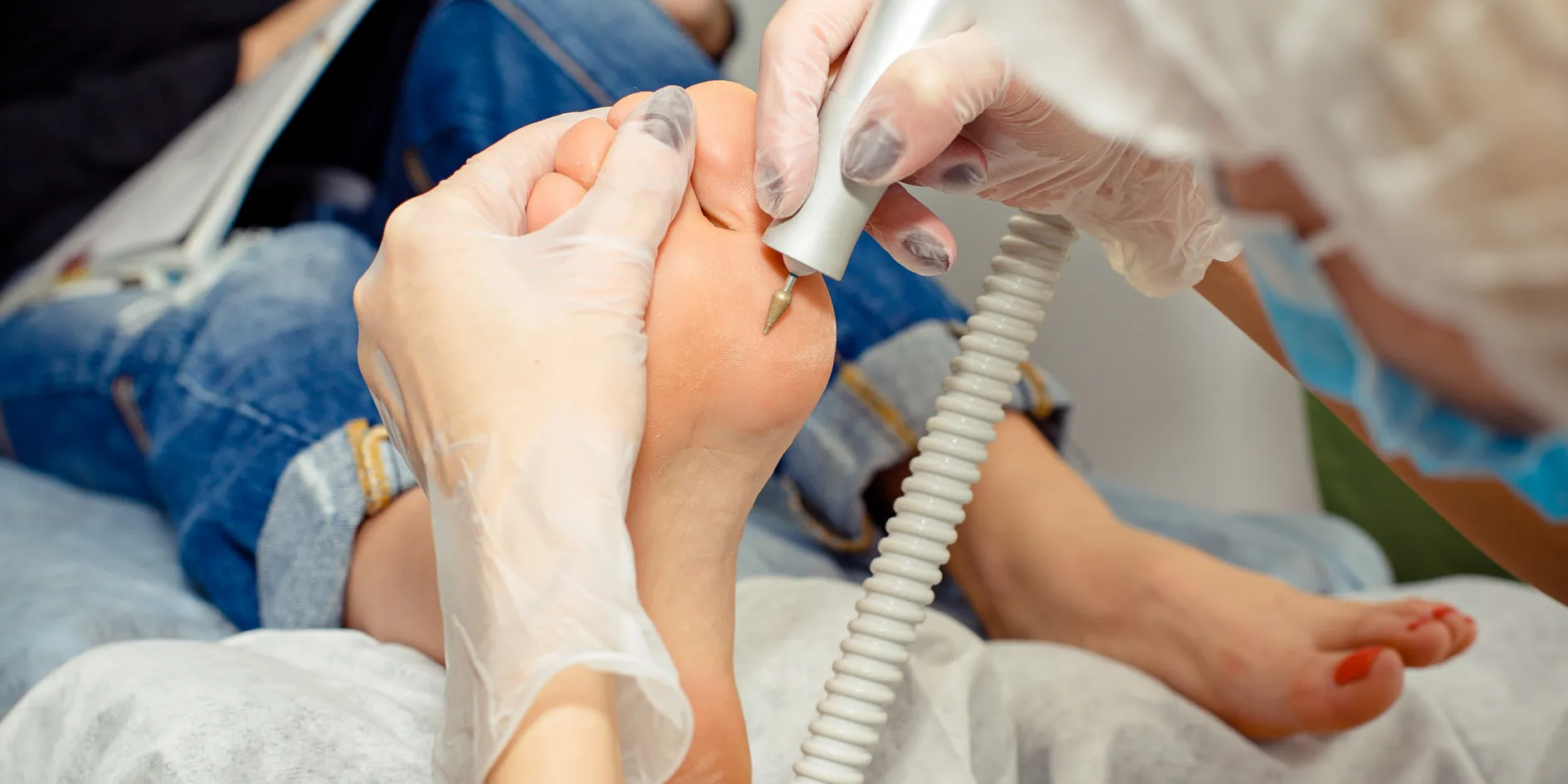
Editor note (shown only to signed-in editors). Template Segment page; segment Children’s feet; Common problems, How we help and the articles come from the side panel. Statements new to the site are waiting for clinician review (docs/review/childrens-centre.md, items R1 to R12): the paragraphs on flat feet, tiptoe walking, feet that turn in or out, heel pain in active children, aches at night and clubfoot, the school shoes advice, and the answers on correcting flat feet, insoles and growth checks. No doctor is named on this page (decision 49). The top photo is a stand-in until a consented photo of a child’s foot check is taken.

For parents who have noticed something about the way their child walks, stands or wears out shoes, or whose child complains of sore feet, heels or legs. Most children’s feet are developing normally, and a check-up is often all that is needed to know that.

At CuraFoot a podiatrist (foot doctor) or doctor examines your child’s feet, watches them walk, and can map their feet with a 3D scan. You leave knowing whether anything needs doing. If it does, the plan can include exercises, footwear advice, custom insoles, or a splint or brace made in our lab, with checks as your child grows.

When to bring your child

Book a check-up if you notice any of these:

  • Your child complains of pain in their feet, ankles or legs
  • Your child is constantly tripping and falling
  • You notice uneven shoe wear
  • Your child asks to be carried more than other children of the same age
  • Your child walks or holds their feet in a way you think might be unusual, such as on tiptoe or with the feet turned in
  • You notice skin rashes, hard skin, lumps or bumps on the feet

Children should also have their feet checked at these milestones: when they begin to walk (about 12 months), at age 3, when they develop a more adult heel-to-toe walk, at age 6 when they start school, and before they begin organised sport.

Walking, legs and growing feet

What parents most often ask us about. A check-up tells you which of these applies to your child.

Flat feet

Babies are not born with an arch; it develops as a child grows, and most children with flat feet feel no pain. Have them checked if your child has foot or leg pain, tires quickly when walking, or if the foot is stiff or only one side is flat. More on the flat feet page.

Walking on tiptoe

Many toddlers walk on their toes for a while as they learn to walk. If your child still walks mostly on tiptoe after about the age of 2 or 3, walks on tiptoe on one side only, or cannot stand with their heels flat, have it checked. Read our article on toe walking in children.

Feet that turn in or out

Feet that point in (“pigeon toes”) or out are common in young children and usually straighten as they grow. Have it checked if your child trips often, has pain, if only one side turns, or if it is not improving.

Heel pain in active children

Children aged about 8 to 14 who run and jump a lot can get pain at the back of the heel while they are growing, often called Sever’s disease. It usually settles with a break from the sport that hurts, stretching, and cushioning or support in the shoe. A check-up confirms the cause.

Aches at night

Some children wake with aching legs that are fine by morning, often called growing pains. See a doctor promptly if the pain is in one leg only, is there during the day as well, comes with a limp, swelling, redness or fever, or keeps your child from walking or playing.

After clubfoot treatment

If your child has been treated for clubfoot (CTEV), we make the shoes and splints their orthopaedic doctor prescribes, and refit them as your child grows. See braces and splints and orthopaedic footwear.

Other conditions children are born with or develop are on the children’s foot deformities page.

What we make for children

Children’s feet grow quickly, so we check the fit of insoles, splints and shoes at follow-up visits and remake them when your child outgrows them.

Braces, splints and footwear are made and fitted at our Ajoy Nagar clinic in Kolkata. At Patia in Bhubaneswar we offer foot check-ups, 3D foot scans and custom insoles.

Does your child play sport? Our Sports Injury Foot Clinic sees young players too. Living with diabetes? See our Diabetic Foot Clinic.

Your first visit

  1. Book your visit Request an appointment online, call or WhatsApp the clinic. The clinic desk confirms a time with you.
  2. Assessment A podiatrist (foot doctor) or a doctor asks about your symptoms and examines your feet, and may check how you stand and walk with a foot scan or gait analysis.
  3. Your treatment plan You leave with a clear plan: treatment, exercises and footwear advice, or custom insoles made from your foot scan.

What to bring: previous prescriptions, X-rays, MRI or lab reports and your list of medicines. Wear the footwear you use most often: it helps with the assessment.

A CuraFoot clinician examining a patient's foot during an assessment

Since 2017 treating feet in Kolkata · Foot & ankle surgeon on our clinical team · 3D scan and pressure mapping for every insole · Four places to see us in Kolkata, Kharagpur and Bhubaneswar

Who you'll see

Dr. Sonali Dey

Dr. Sonali Dey

Consulting Rheumatologist

Consults at: CuraFoot Ajoy Nagar

Dr. Arindam Naskar

Dr. Arindam Naskar

Consultant in Diabetes & Metabolic Diseases

Consults at: CuraFoot Ajoy Nagar

Dr. Santhini P Bishal

Diabetologist

Consults at: CuraFoot at Chennai Diabetes Centre, Kharagpur

Swagatika Mall

Swagatika Mall

Clinical manager. Prosthetist and orthotist (BPO), 9 years' experience

Consults at: CuraFoot Ajoy Nagar

Debabrata Rout

Debabrata Rout

Clinical prosthetist and orthotist (MPO)

Consults at: CuraFoot Ajoy Nagar

Md Sahin Akhtar

Md Sahin Akhtar

Clinical and marketing. Prosthetist and orthotist (BPO)

Consults at: CuraFoot Ajoy Nagar

Vicky Dey

Vicky Dey

Lead orthotist

Consults at: CuraFoot Ajoy Nagar

Ushoshi Malakar

Ushoshi Malakar

Wound care and foot care technician. Trained in wound care at CuraFoot

Consults at: CuraFoot Ajoy Nagar

Children’s feet: your questions

Something else? Call 062923 00396.

My child has flat feet. Should I be worried?

Usually not. Babies aren’t born with an arch; it develops as a child grows, and most children with flat feet feel no pain or discomfort. If your child complains of foot pain, bring them in so a podiatrist can check how their feet are developing.

Can flat feet in children be corrected?

In most children the arch develops by itself as they grow, so nothing needs correcting. When flat feet cause pain or tiredness, exercises, supportive shoes and insoles can ease the symptoms. A check-up tells you whether your child needs any of these.

Will insoles make my child’s arch grow?

Insoles support the foot while your child wears them, which can ease pain and tiredness. They are not a way to make an arch grow, so we suggest them only when there are symptoms, and review them as your child grows.

My child walks on tiptoe. When should we get it checked?

Walking on tiptoe is common while toddlers learn to walk. Have it checked if it continues after about the age of 2 or 3, happens on one side only, or if your child cannot stand with their heels flat on the floor.

My child’s feet turn in when they walk. Will it correct itself?

Usually, yes: feet that turn in or out are common in young children and tend to straighten as they grow. Bring your child in if they trip often, have pain, if only one side turns, or if it is not getting better.

Why does my child get leg or foot pain at night?

Aching legs at night that are gone by morning are common in children and are often called growing pains. See a doctor promptly if the pain is in one leg only, is there during the day too, or comes with a limp, swelling, redness or fever.

My child has heel pain after football or cricket. What could it be?

In children aged about 8 to 14 this is often Sever’s disease, an irritation of the growing area at the back of the heel. It usually settles with a break from the activity that hurts, stretching and heel cushioning. A check-up confirms the cause and rules out other problems.

What shoes should my child wear to school?

Shoes that fit the length and width of the foot with a little room at the toes, fasten with laces or a strap, have a firm heel and bend at the ball of the foot. Children’s feet grow quickly, so check the size every few months. If your child wears insoles, bring the school shoes to the fitting.

At what ages should my child’s feet be checked?

Children should have a foot check-up when they begin to walk (about 12 months), at age 3, when they develop a more adult heel-to-toe gait, at age 6 when starting school, and before beginning organised sports.

What happens at my child’s first visit, and what should we bring?

A parent or guardian stays with your child throughout. We ask about your child’s history, examine their feet and legs, watch them walk, and may take a 3D foot scan. Bring the shoes your child wears most (school and sports shoes), any insoles or splints they already use, and any reports, X-rays or doctor’s notes.

Do we need a referral?

No referral is needed. Book directly, online, by phone or on WhatsApp. Children referred by their paediatrician, orthopaedic doctor or physiotherapist are welcome too.

Book an appointment

Assessment and a plan in one visit. We call you to confirm your time.

Prefer to talk? Call 062923 00396 or WhatsApp us.

← Back

Thank you for your response. ✨

Thank you, we have your request. The clinic desk will call you to confirm a time, Monday to Saturday from 11 am. If it’s urgent, call or WhatsApp us on 062923 00396.