What is an ankle sprain?
Ligaments are strong bands that join bone to bone and keep the ankle stable. In an ankle sprain, the foot rolls or twists further than the ligaments can stretch, usually inwards, and they are overstretched or torn. Most sprains affect the ligaments on the outer side of the ankle. A sprain can be mild (stretched), moderate (partly torn) or severe (a full ligament tear). It is one of the most common injuries in football, basketball, badminton and running on uneven ground, but it can happen stepping off a kerb.
Ankle sprain symptoms
- Pain on the outer side of the ankle, often straight after a twist
- Swelling, and bruising that can spread to the foot
- Pain when you put weight on the foot
- Tenderness when you press over the ligament
- A pop or tearing feeling at the time of injury, in some sprains
- An ankle that feels loose or gives way, after a bad or repeated sprain
What causes an ankle sprain?
A sprain happens when the ankle is forced past its normal range, for example:
- landing awkwardly from a jump
- a sudden change of direction
- uneven ground or a pothole
- a tackle or another player landing on your foot
- worn or unsupportive shoes
- an earlier sprain that did not fully recover
- weak ankle muscles or poor balance
When to see a foot doctor
- You cannot put weight on the foot or take four steps
- Pain is over the bone rather than the soft part of the ankle
- The ankle or foot looks out of shape, or you felt a crack
- Numbness, tingling or a cold, pale foot
- Swelling and pain are no better after a few days
- The ankle keeps giving way, months after a sprain
If you cannot bear weight or the ankle looks deformed, go to a hospital emergency department or an orthopaedic doctor for an X-ray the same day.
How CuraFoot treats an ankle sprain
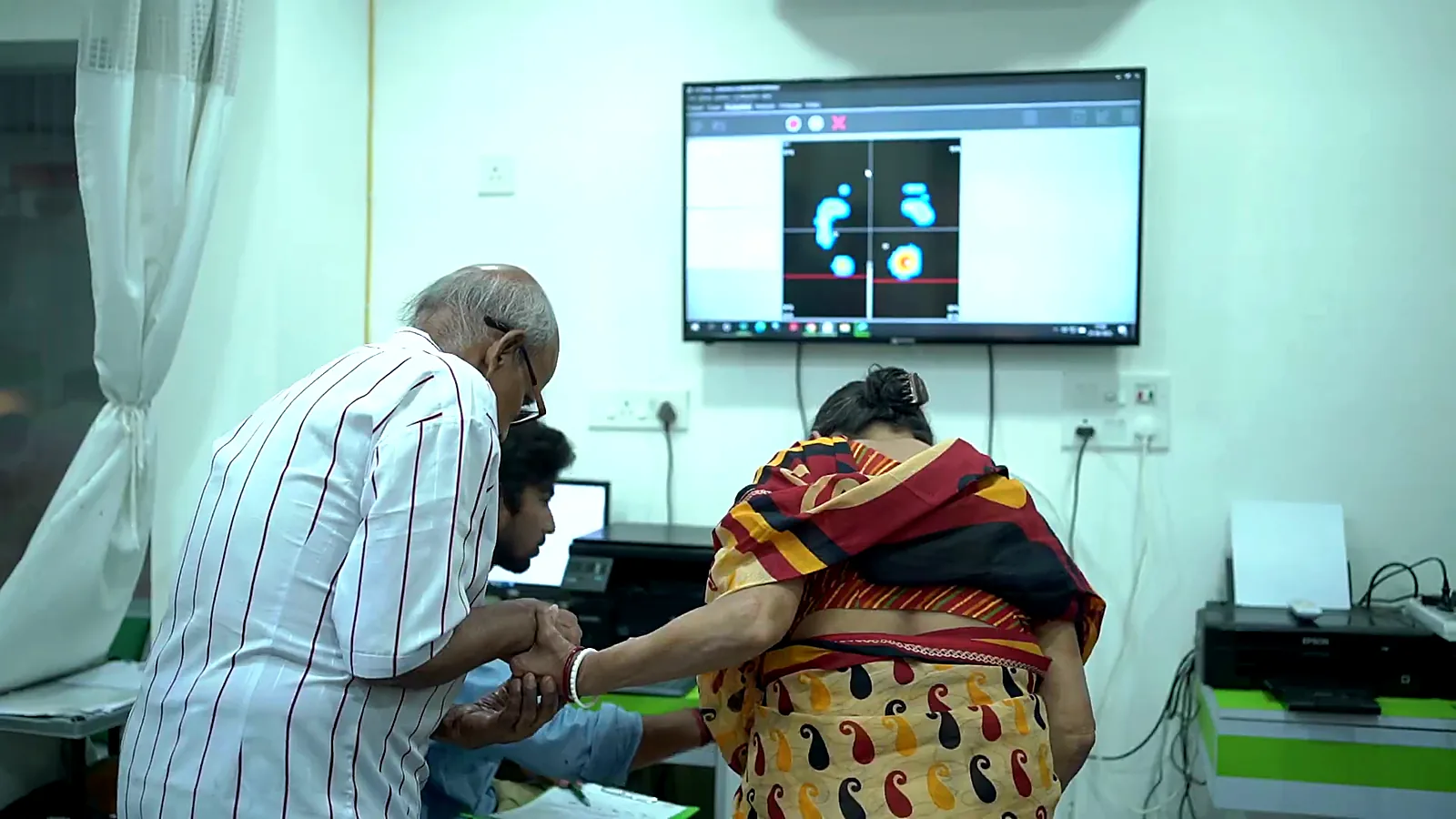
At CuraFoot a foot doctor examines the ankle, checks the ligaments and your balance, and decides whether you need an X-ray or scan first. Treatment depends on how bad the sprain is:
Protect and rest
In the first few days, protect the ankle, rest it and raise it, and use an ice pack wrapped in a cloth to ease the swelling. Walk on it as pain allows unless you are told not to.
Brace or walker boot
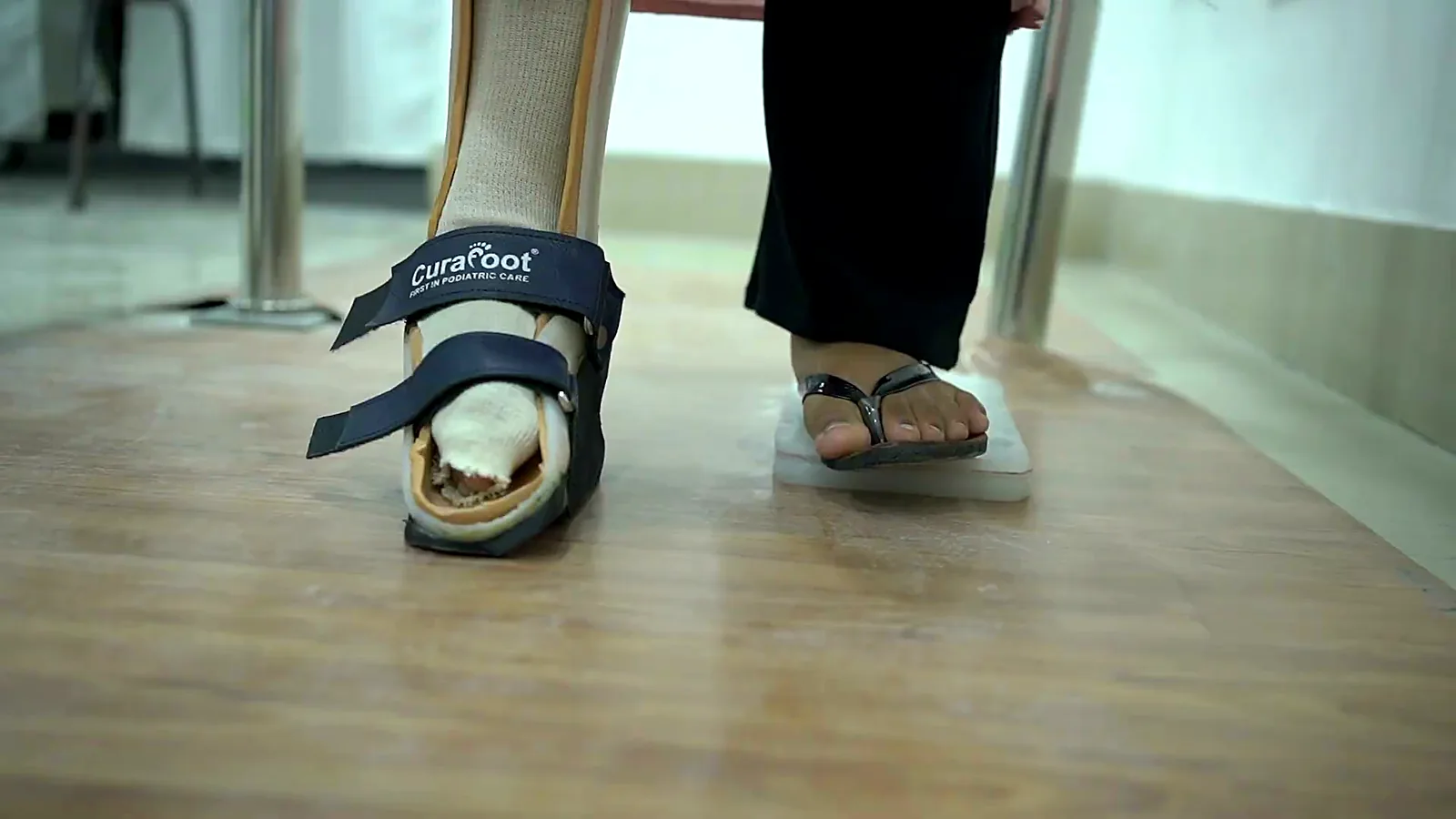
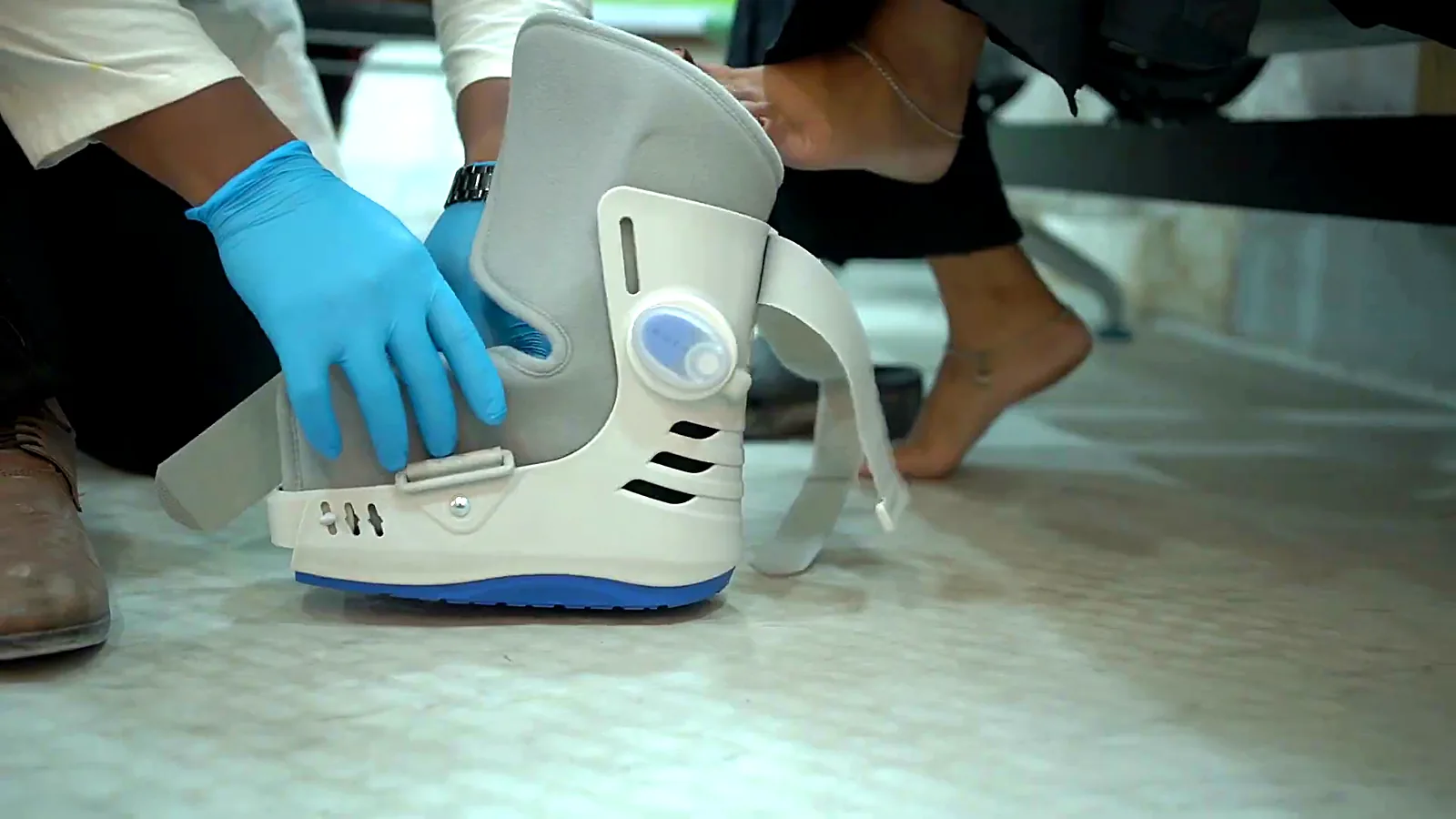
An ankle brace, or a walker boot for a bad sprain, supports the ligaments while they heal. See braces and splints.
Physiotherapy
Physiotherapy rebuilds movement, strength and balance, which is what helps stop the ankle spraining again.
Insoles and footwear
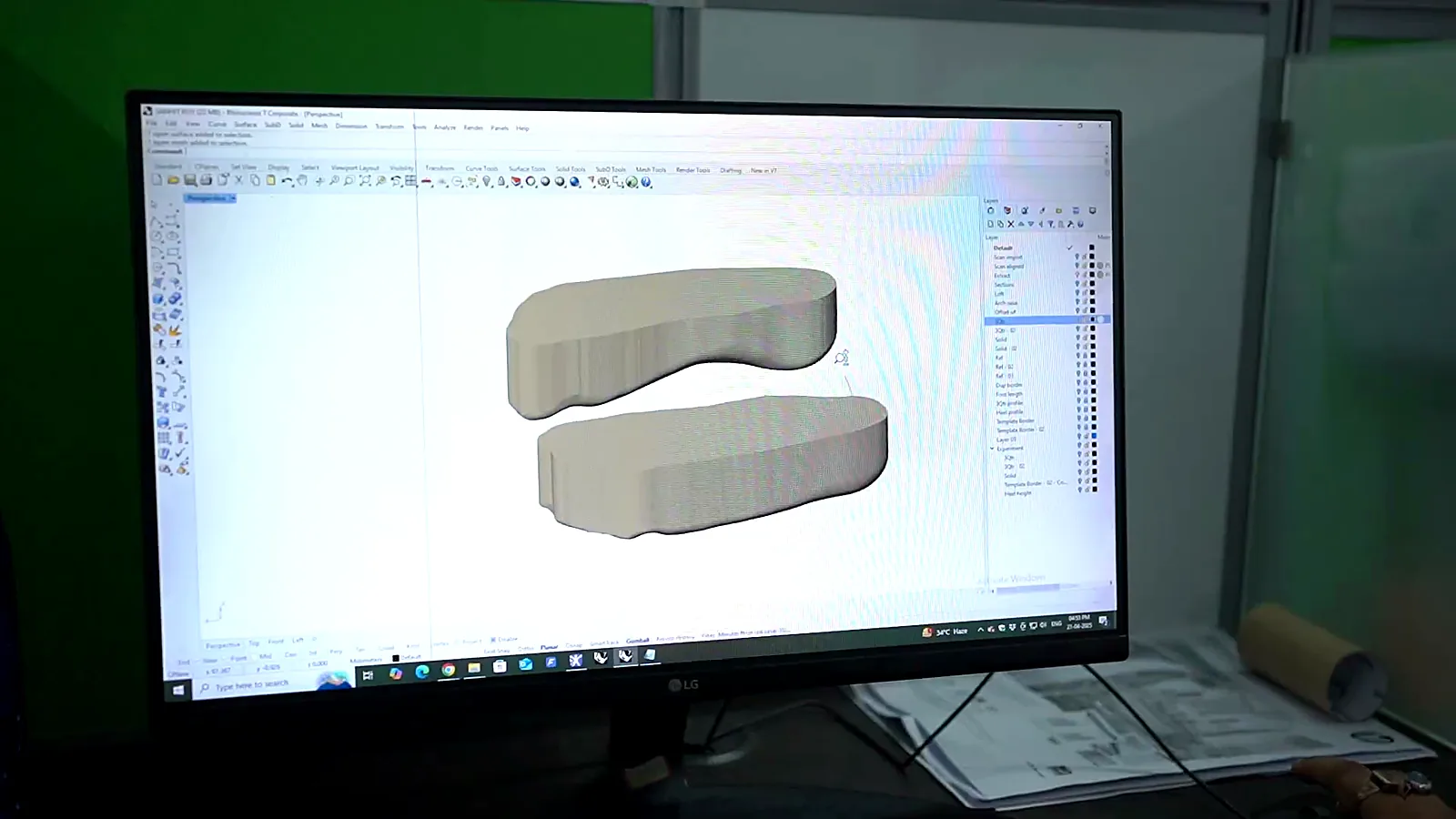
If the way your foot rolls adds to the problem, custom insoles made from your 3D scan and the right shoes can help.
More on ankle pain, foot and ankle injuries and exercises to prevent ankle injury. Active, or back to sport after an injury? See our Sports Injury Foot Clinic.