Do you know that Turf toe affects up to 45% of NFL players? Turf toe can result from repeatedly striking hard surfaces with the feet. On artificial turf, almost 80% of these injuries have occurred (Source). But with the help of the proper foot injury treatment, you can overcome the issue with your foot.
But what is TurfToe? A metatarsophalangeal joint sprain, often known as turf toe, is an injury that impacts the big toe joint. It occurs when your heel rises but your toes stay on the ground, resulting in hyperextension of the toes.
Your big toe joint’s soft tissues and ligaments strain or rupture as a result of this motion (toe sprain). Because turf is less forgiving than grass, football players often push off their toes into a sprint or make abrupt movements when running on it, which leads to turf toe.
Understanding how turf toe develops and what you can do to prevent it is crucial to a successful recovery. Whether you’re a sports enthusiast, weekend warrior, or someone who is constantly on the go, this guide will help you stay informed and walk with confidence. So, let’s start with the leading causes of Turf Toe. Shall we?
Top Main Causes of Turf Toe That You Need to Be Aware of
- Sudden hyperextension of the big toe
When the big toe bends excessively upward while the foot remains flat—such as during a sprint start or a sudden stop—it clearly overstretches the ligaments at the toe joint.
- If you wear improper footwear
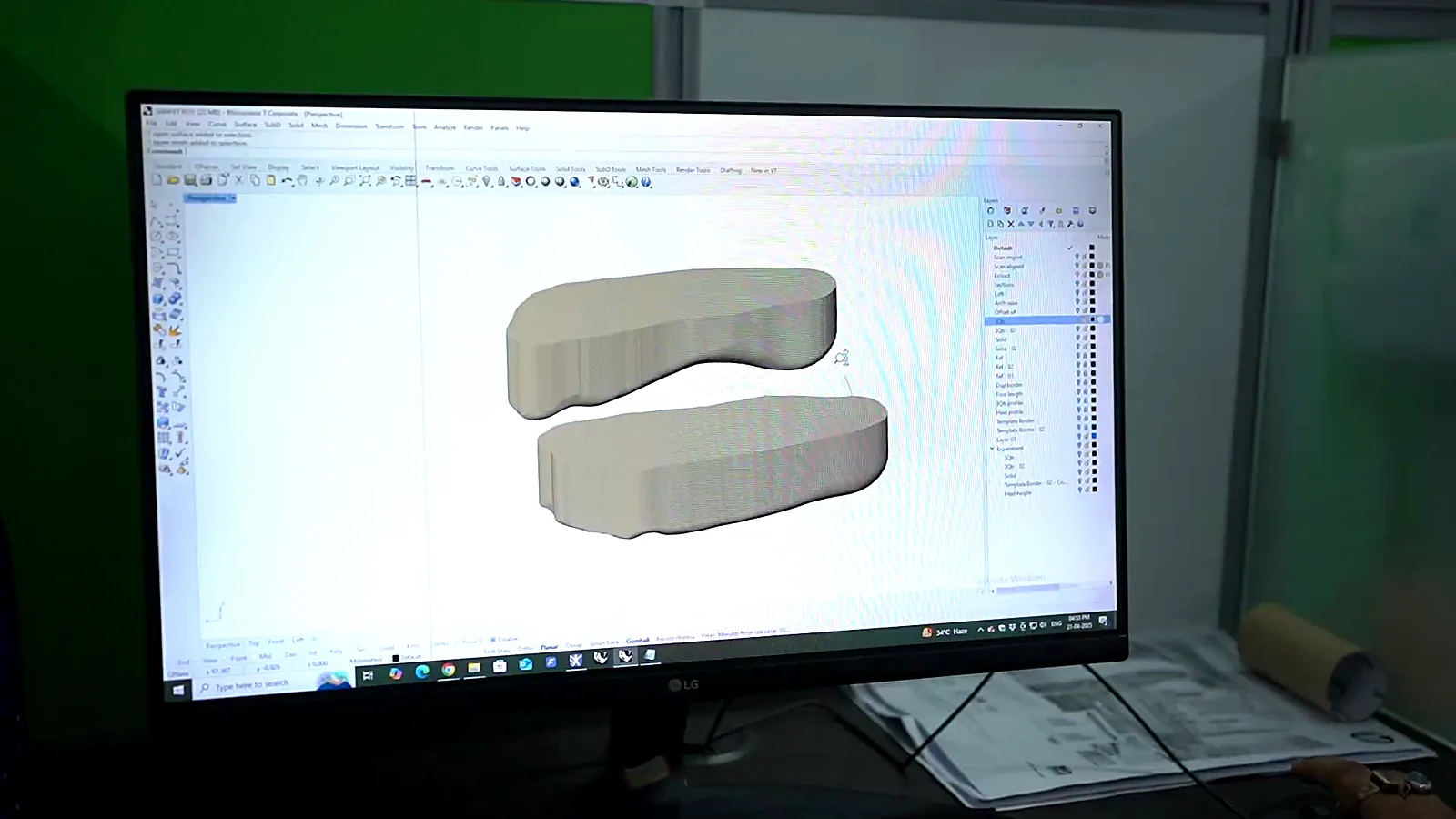
Wearing flexible shoes that lack proper toe support, particularly during high-impact sports, compromises the stability of the toe joint, leaving it susceptible to painful sprains. This lack of support can cause the toes to move excessively, increasing the risk of injury and reducing overall performance in dynamic activities. To overcome the issue, consider using custom insoles, as they can be the best choice.
- Lack of warm-up or flexibility
Failing to warm up the muscles and joints before engaging in physical activity can significantly diminish flexibility. This lack of preparation heightens the risk of injury to the toe, particularly during sudden and vigorous movements. A proper warm-up is primary to prepare the body for the demands of exercise, enabling it to respond more effectively and safely to unexpected stresses.
- Playing on artificial turf
Artificial turf surfaces have less cushioning than natural grass, increasing resistance and the risk of the foot sticking during quick movements. This makes toe injuries more likely, hence the term “turf toe.”
Turf toe may begin as a minor strain, but if left unaddressed, it has the potential to cause significant long-term problems. Understanding the causes enables you to take measures such as wearing proper footwear, stretching, and avoiding overtraining to stay active and injury-free. Now let’s have a look at the symptoms that people often experience due to Turf Toe.
Common Symptoms People Face Due To Turf Toe
- Pain at the base of the big toe
- Swelling and tenderness
- Stiffness and reduced range of motion
- Difficulty bearing weight
- A “Popping” sensation
Recognising the symptoms of turf toe early can assist in preventing further damage and speed up recovery. If you experience persistent pain, swelling, or daunting in moving your toe, it’s essential to rest and avoid further aggravating the injury. Early care ensures a quicker, safer return to activity.
Are there various ways to treat it and resolve the issue without any hassle? Want to know how this is possible? In the following paragraph, we will provide a detailed explanation.
Various Ways To Treat Your Turf Toe Successfully
- Rest and activity modification
Minimise movement and refrain from applying pressure to the injured foot. Allowing your toe ligaments ample time to heal is crucial, and reducing your activity can effectively prevent any additional strain. This careful approach allows your body to recuperate and regain strength, ultimately facilitating a more comprehensive recovery.
- Use of turf toe plates or stiff-soled shoes
Wearing custom insoles, stiff footwear, or carbon fibre toe plates effectively restricts unwanted motion at the big toe joint, significantly promoting healing while still allowing for necessary mobility.
- Physical therapy
You will receive stretches and exercises from a skilled physical therapist to help heal your toe. Exercises to increase flexibility, decrease stiffness, and strengthen the muscles supporting your MTP joint are all part of a personalised physical therapy program.
- Orthotics
Your healthcare professional may suggest specific shoe inserts that fit into your existing shoes or a particular shoe style, such as a rocker-bottom or stiff-soled shoe. Your toe joint is supported and stabilised by orthotics while you run, jump, or participate in sports.
- Anti-Inflammatory medications
Over-the-counter NSAIDs like ibuprofen can ease pain and reduce inflammation. Use them as directed and keep away from long-term reliance without consulting a doctor.
Treating turf toe successfully involves prompt care, the right support tools, and a gradual return to activity. Ignoring the condition can develop to chronic pain or long-term joint issues. By following a structured treatment plan, you can recover more quickly and regain full toe function, allowing you to walk, run, and play with confidence once again.
Closing Thoughts
This article offers essential insights into Turf Toe. If you’re ready to tackle your Turf Toe with confidence, CuraFoot is the top choice for effective treatment. As the leading foot care clinic in India, we are loyal to assisting our patients in achieving exceptional foot health. Don’t wait—schedule your appointment today and take the decisive step towards healthier feet.